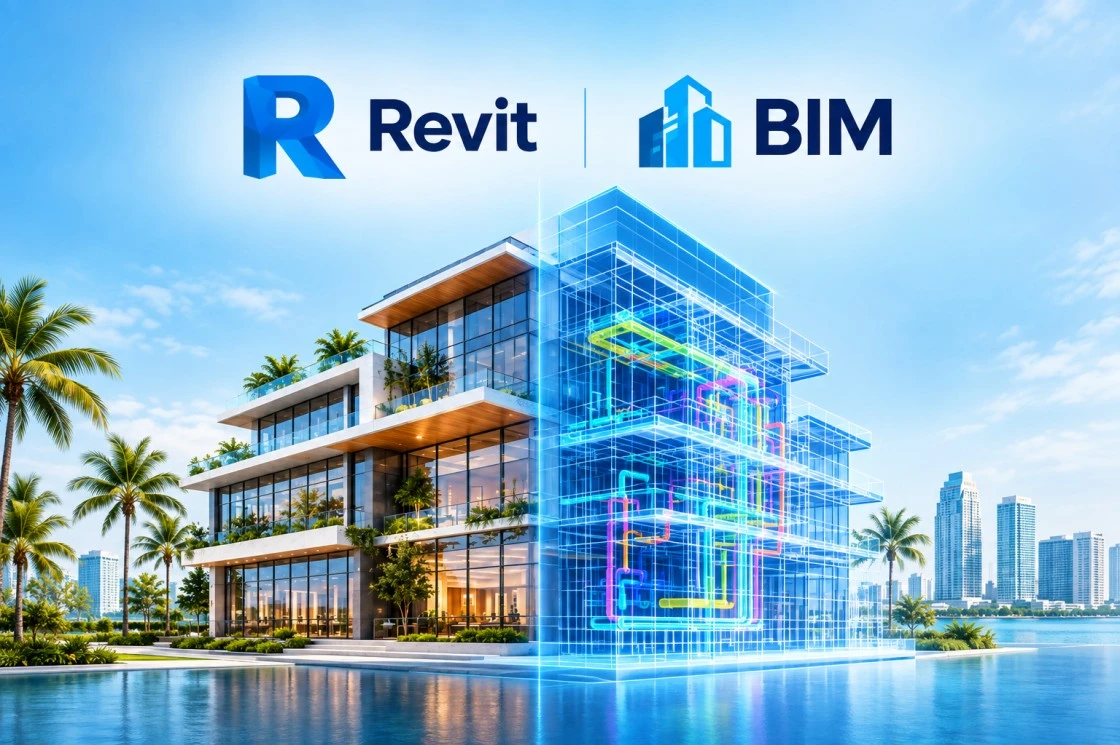
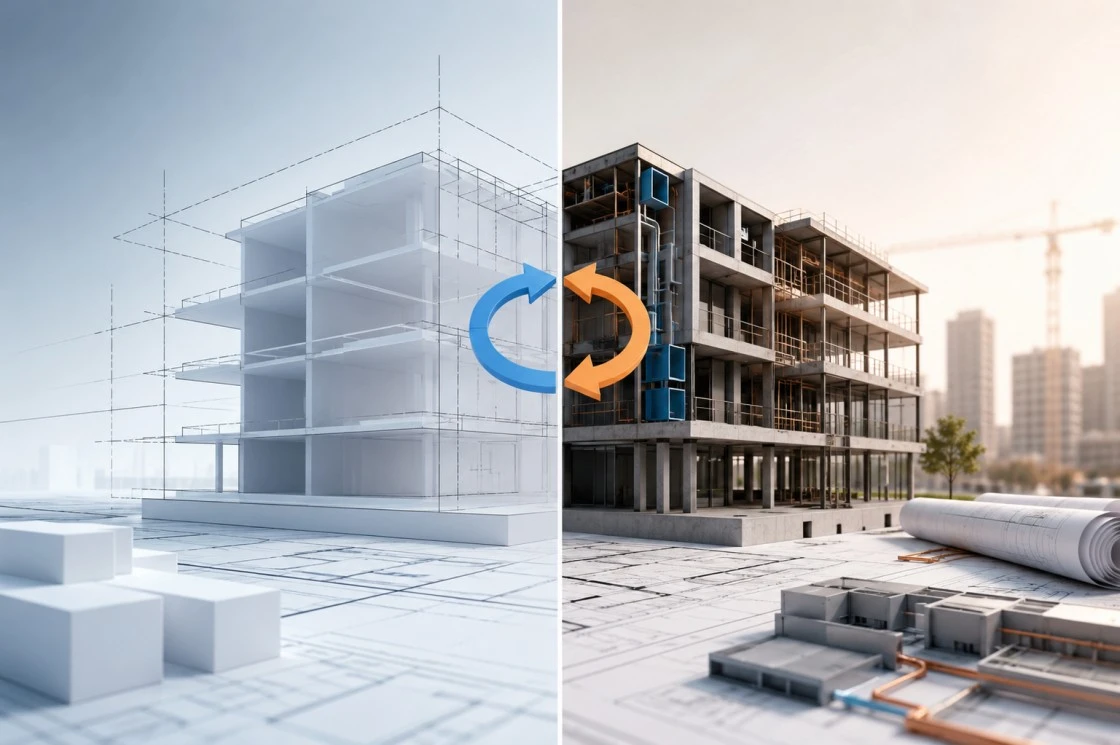
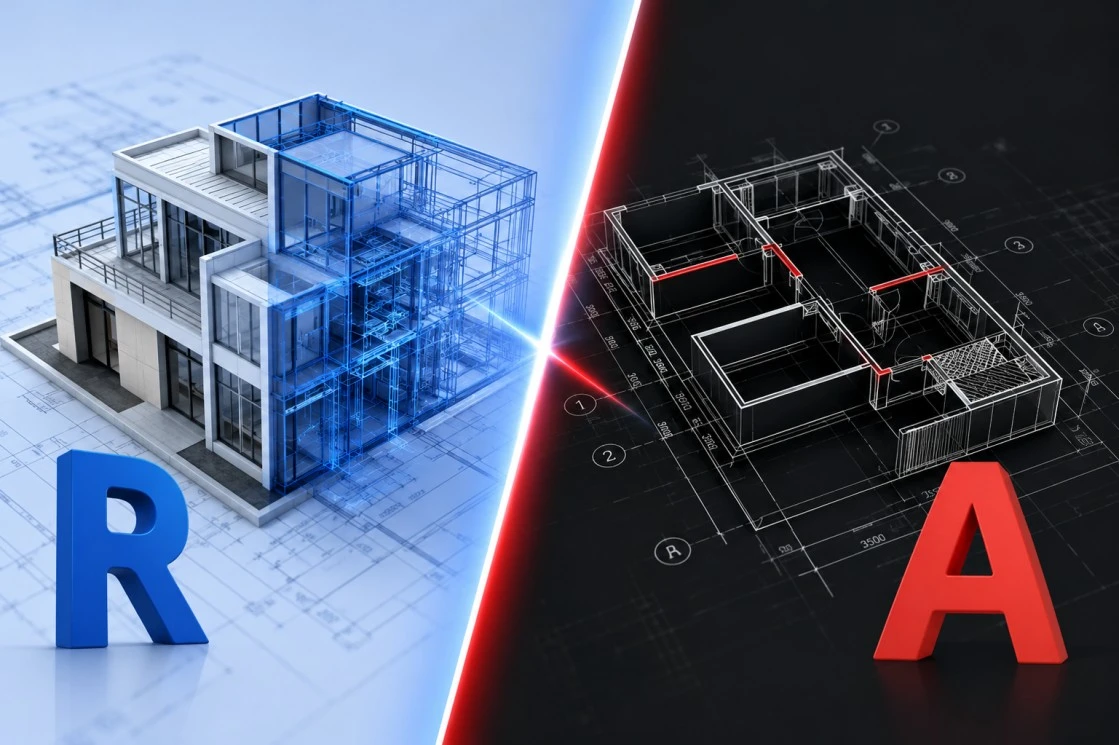
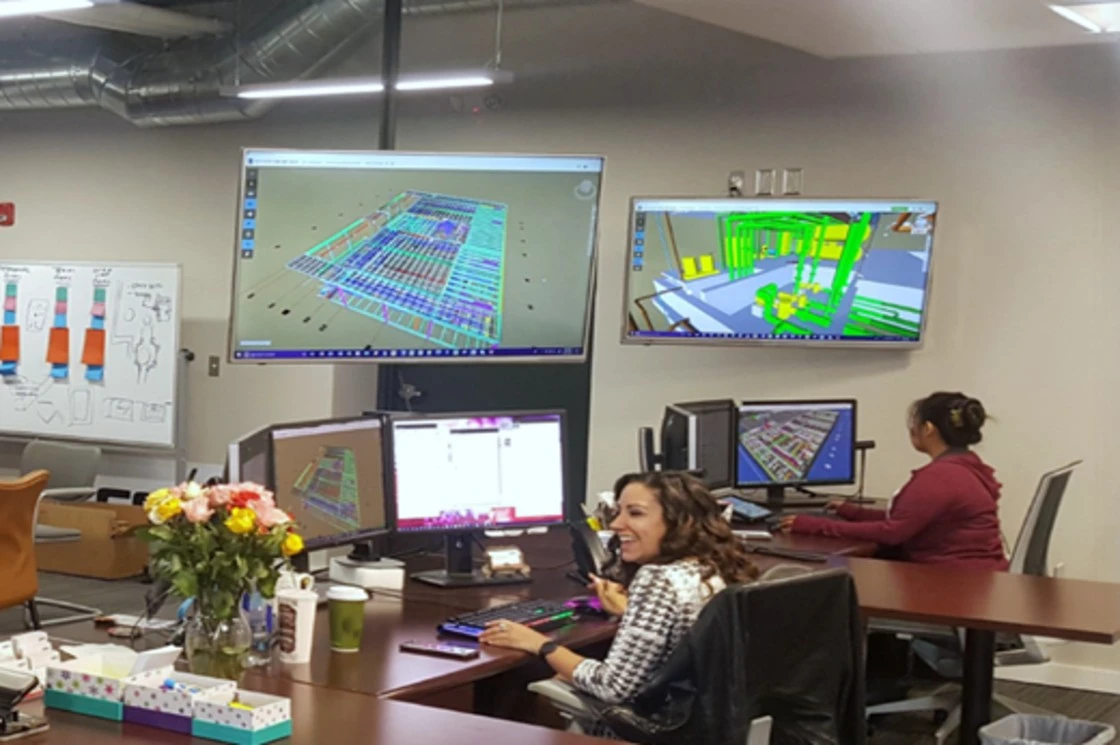
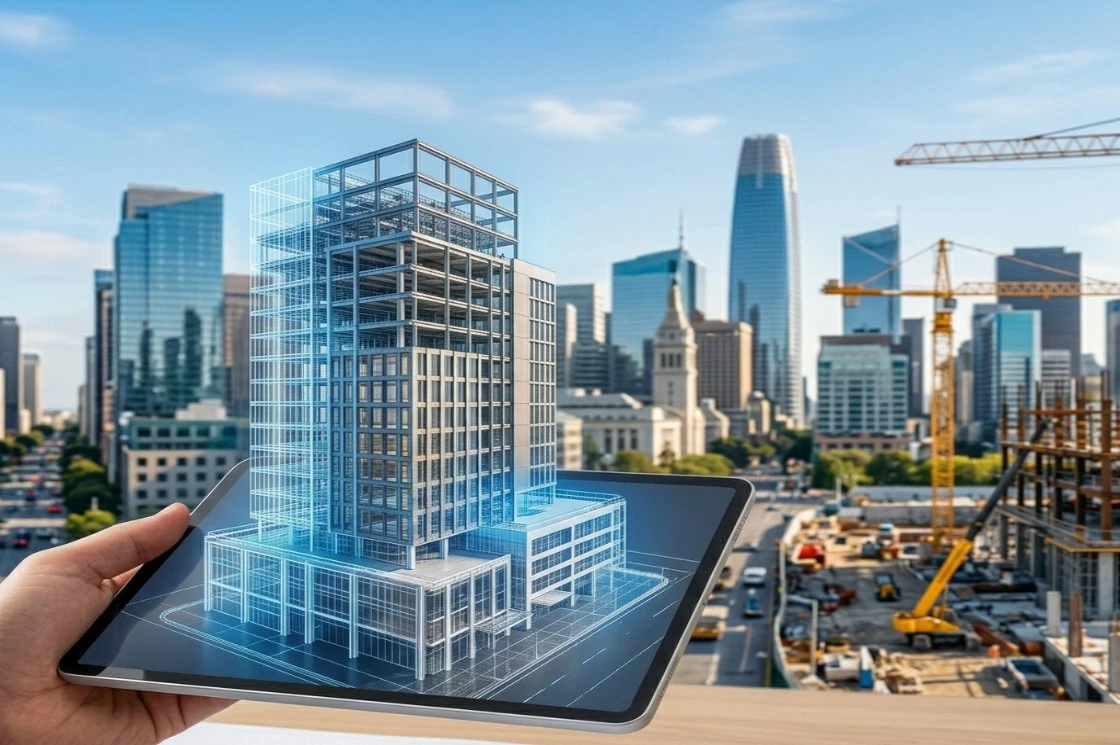
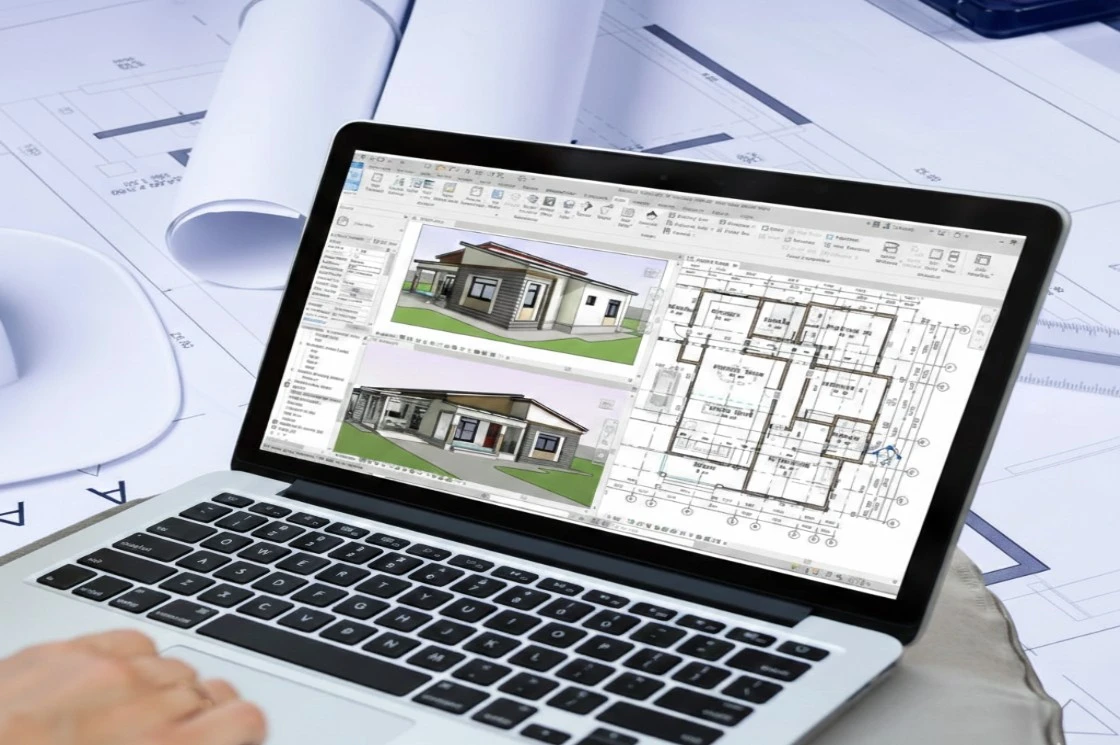
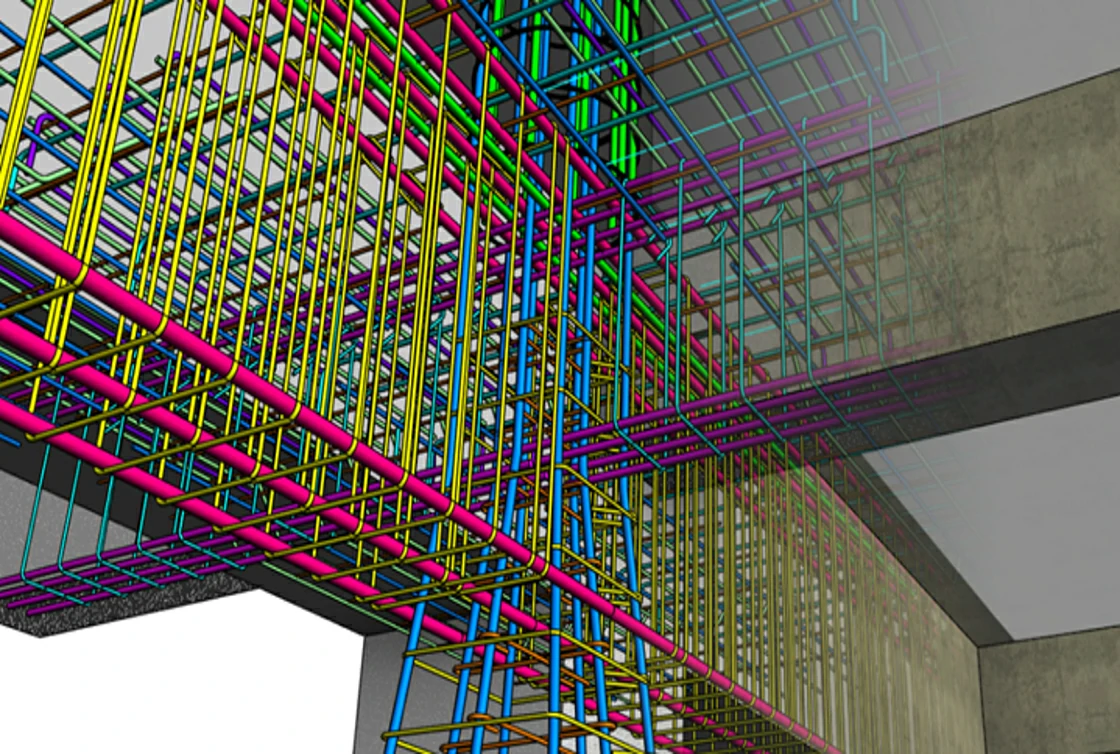
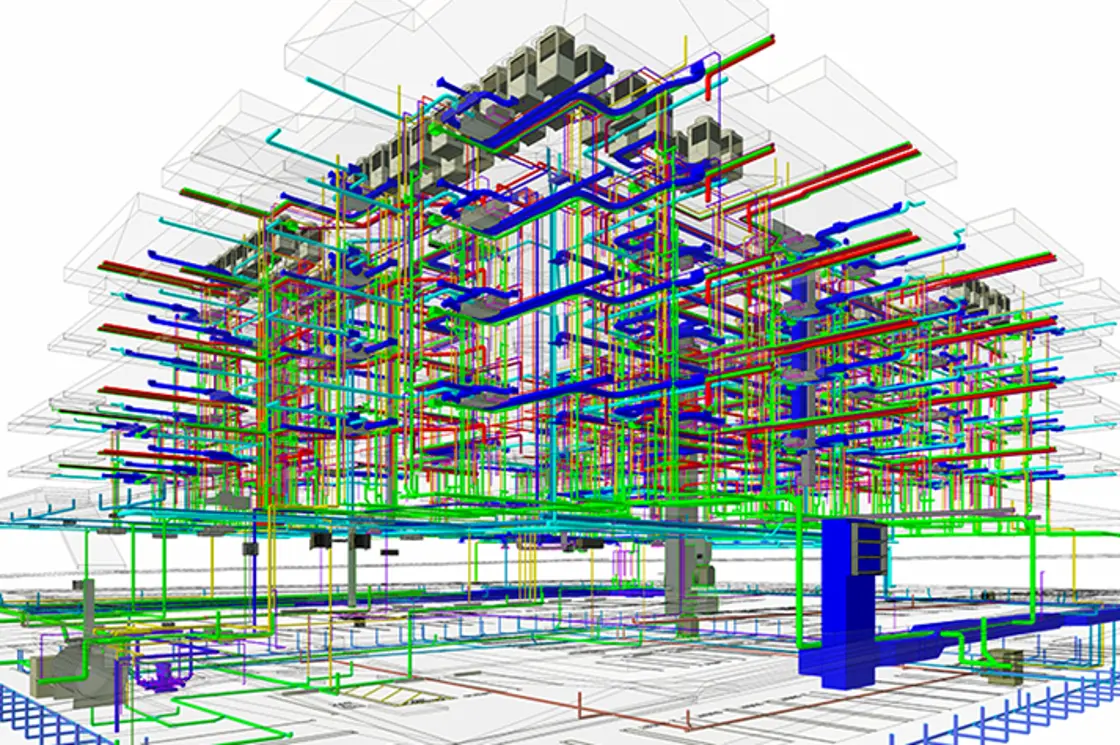
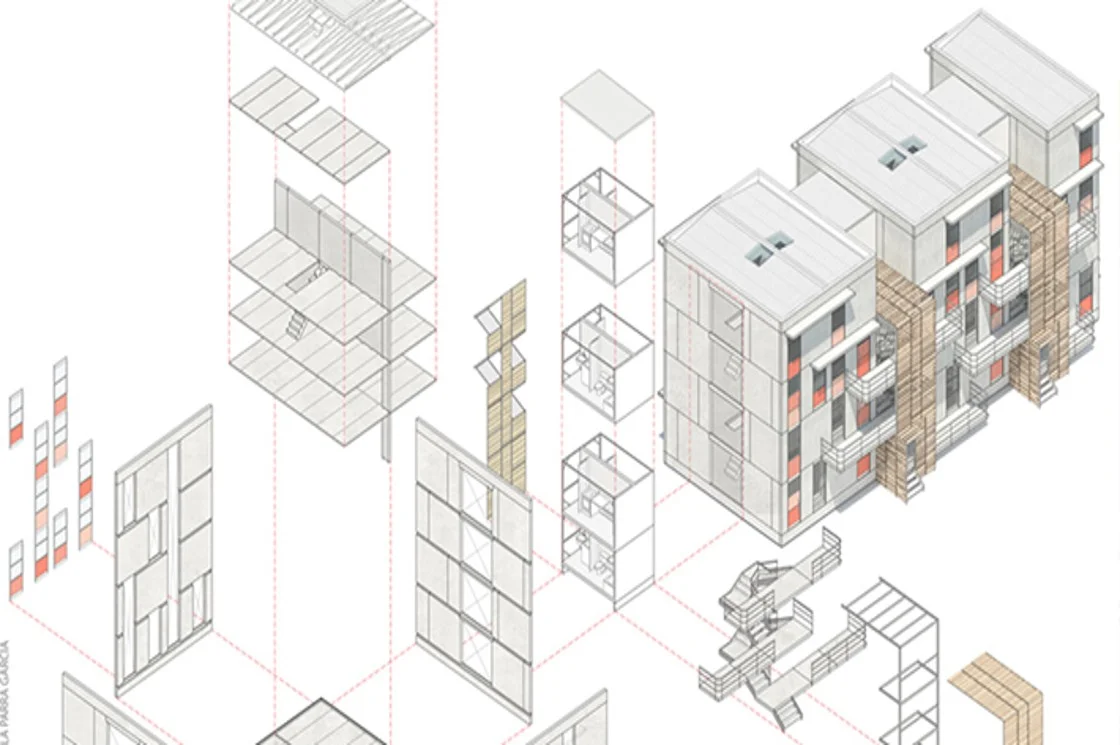
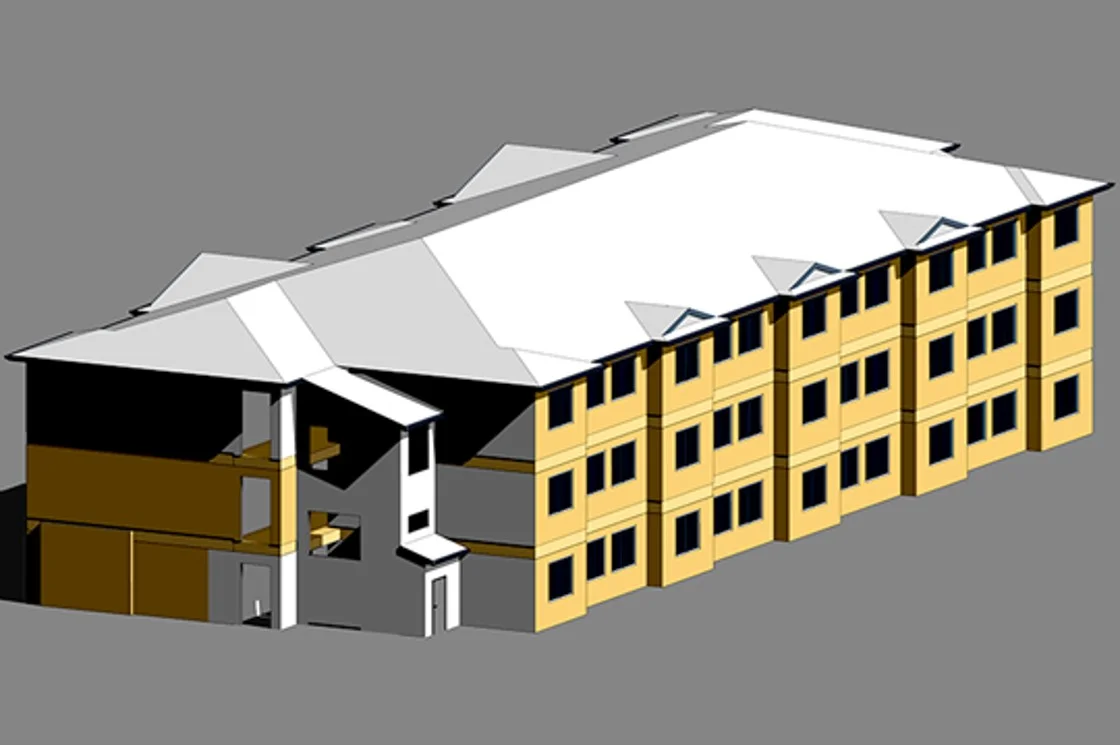
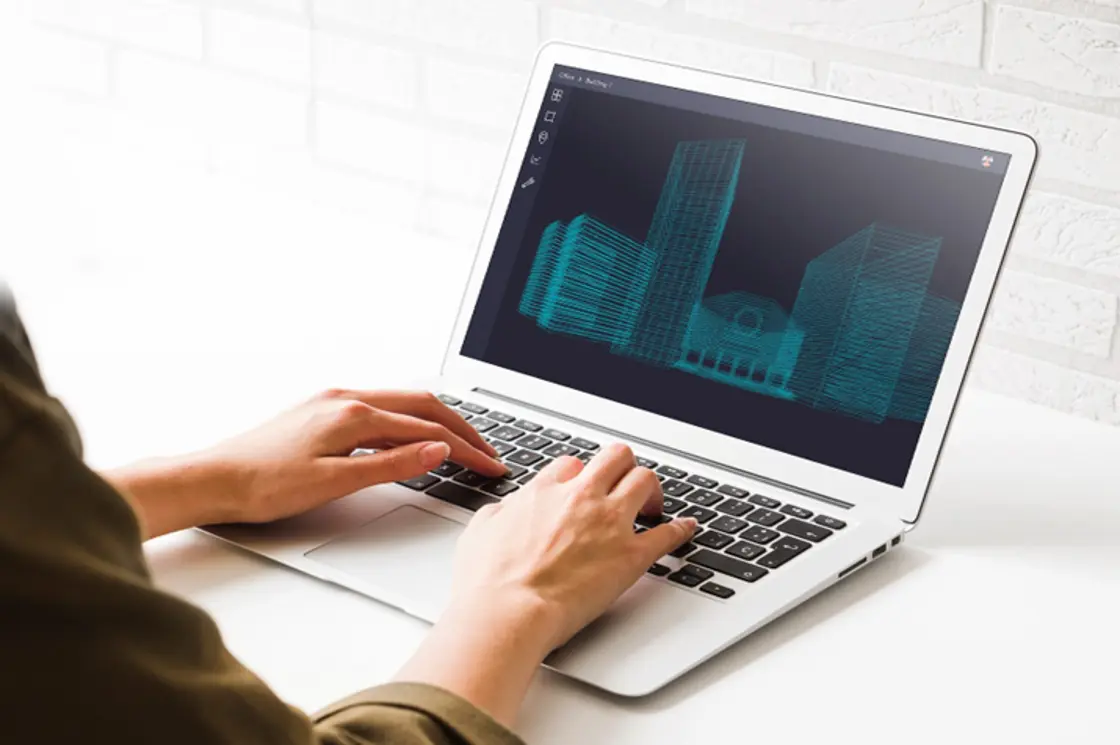
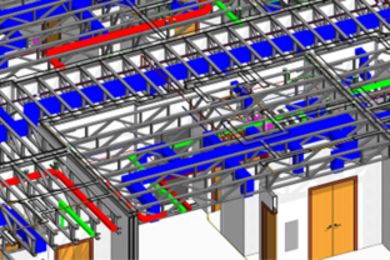
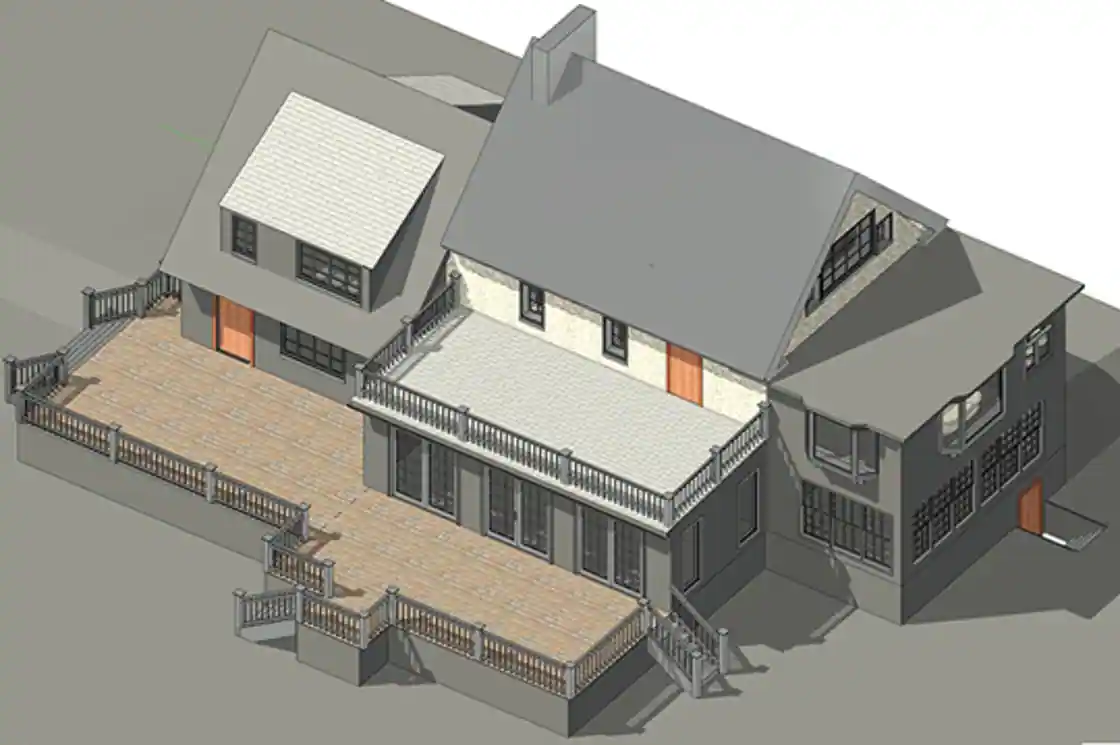
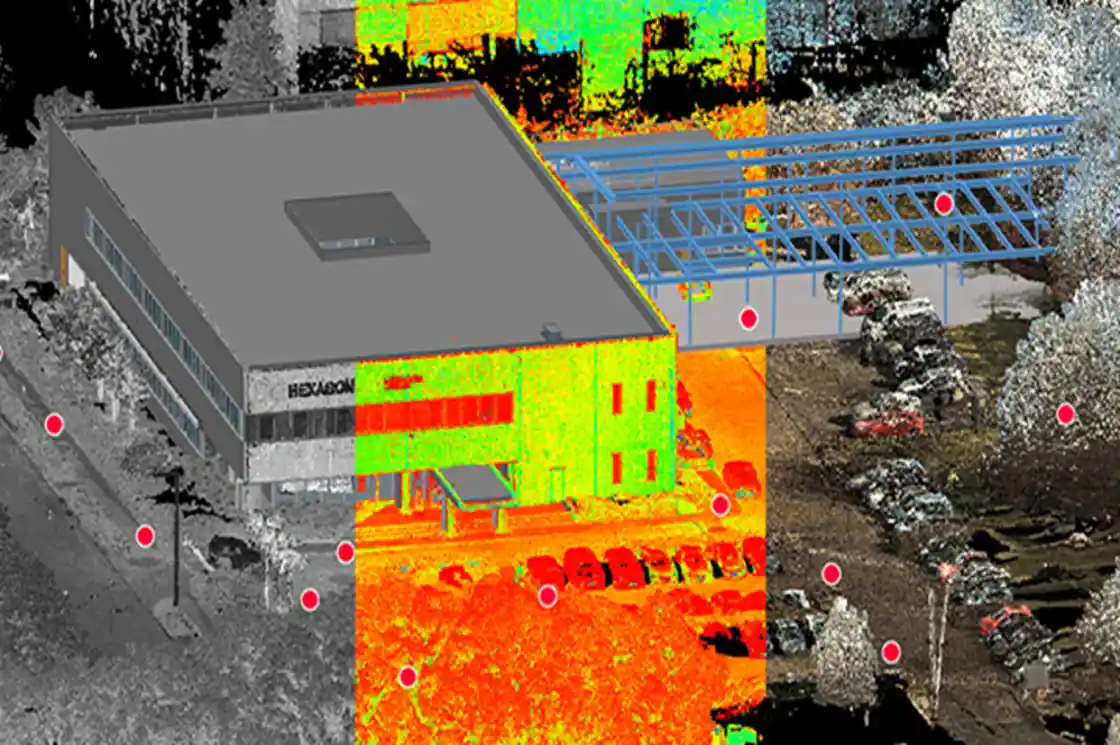
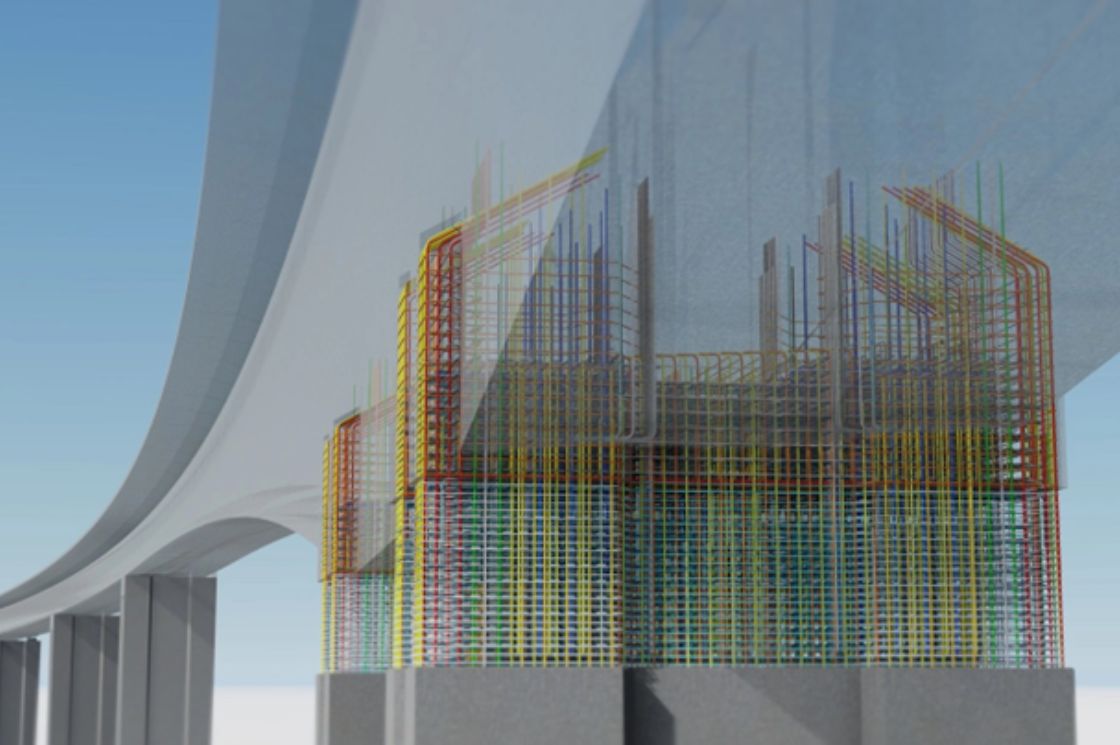
Building Information Modeling (BIM) has become a core technology for the architecture, engineering, construction, and operations (AECO) industry. Governments, owners, and contractors increasingly adopt BIM to improve collaboration, reduce project risk, and support digital asset management. This case study summarizes reliable industry findings, adoption trends, and market statistics with references from recognized organizations.
Global BIM Market
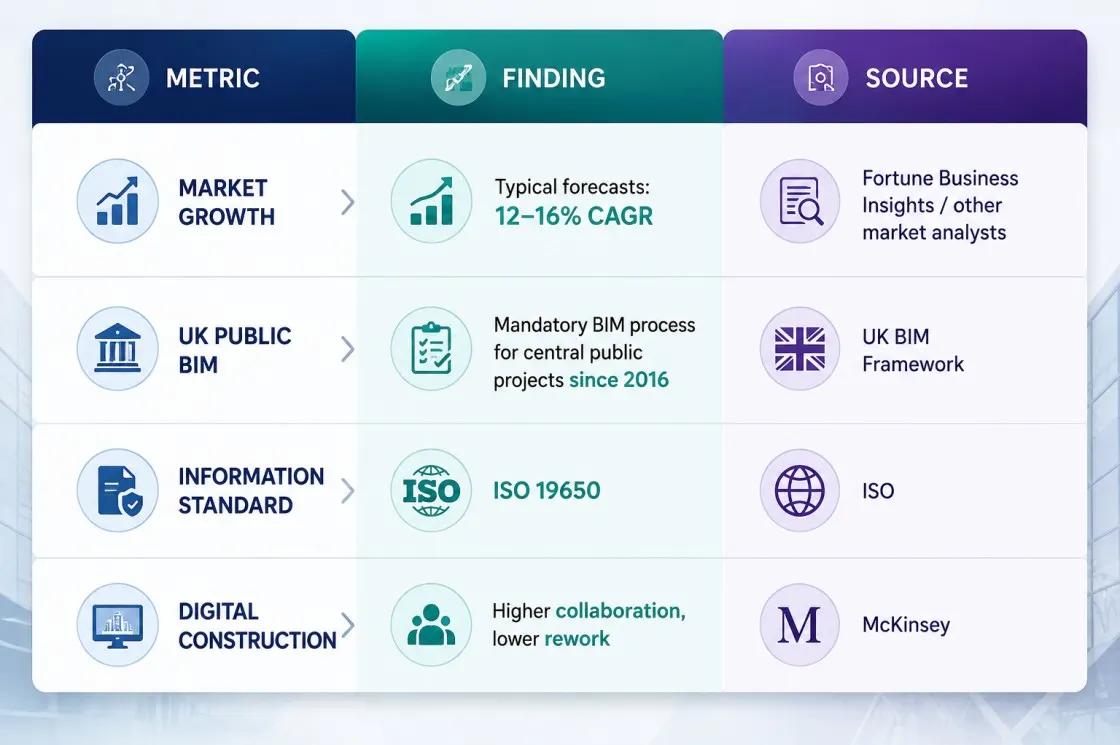
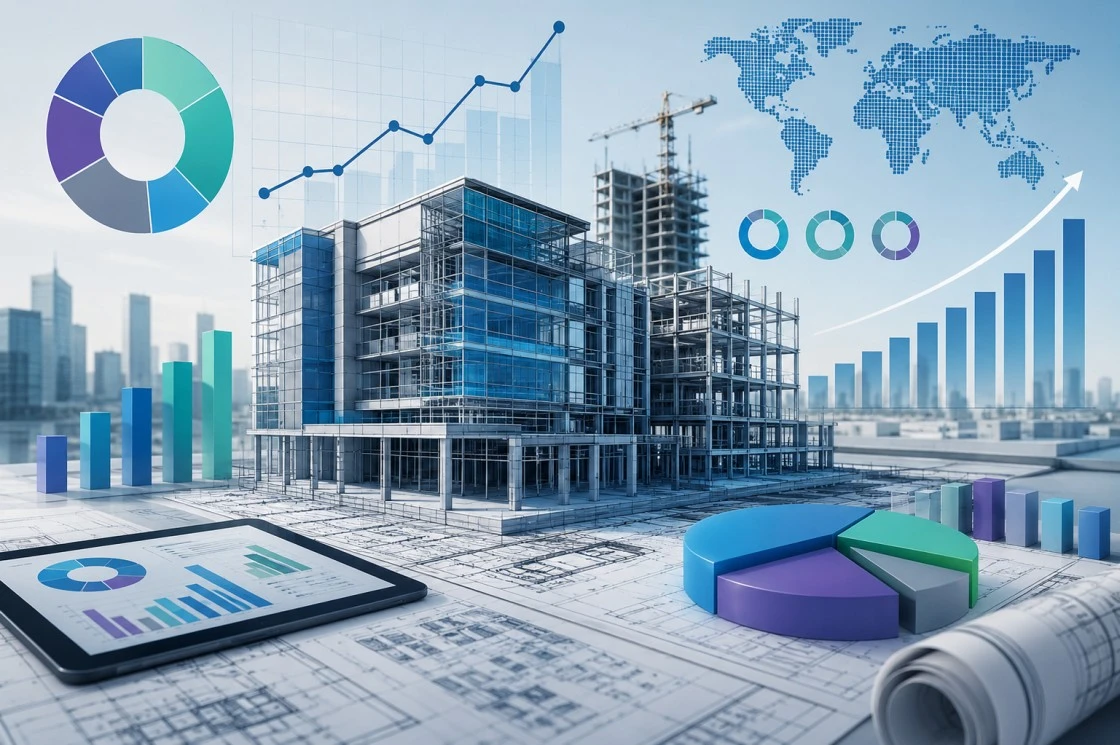
The global BIM market continues to grow rapidly due to increasing digitalization of construction, cloud collaboration, and digital twin adoption. Multiple research firms forecast a compound annual growth rate (CAGR) generally between 12% and 16% through the decade, although estimates vary depending on market scope and methodology. This consistent outlook indicates strong long-term demand for BIM software and services.
Government Adoption
The UK Government introduced a BIM Level 2 requirement for centrally procured public-sector projects in 2016, helping accelerate BIM maturity across the industry. Internationally, ISO 19650 provides the globally recognized framework for information management using BIM.
Business Impact
Industry studies consistently report that BIM improves coordination, visualization, and decision-making while reducing design conflicts and rework. McKinsey identifies digital construction as a major opportunity to improve productivity in one of the world’s least-digitized industries.
Autodesk Insights
Autodesk’s State of Design & Make reports show continued investment in BIM, cloud collaboration, AI, and digital transformation by AECO firms.
Key Statistics Snapshot
Source: AEODC
Conclusion
BIM has evolved from a design technology into a strategic project delivery methodology. Supported by international standards, government initiatives, and sustained market growth forecasts, BIM enables better collaboration, improved data quality, and more efficient lifecycle management. Organizations investing in BIM capabilities today are better positioned to support digital twins, prefabrication, sustainable construction, and asset management.