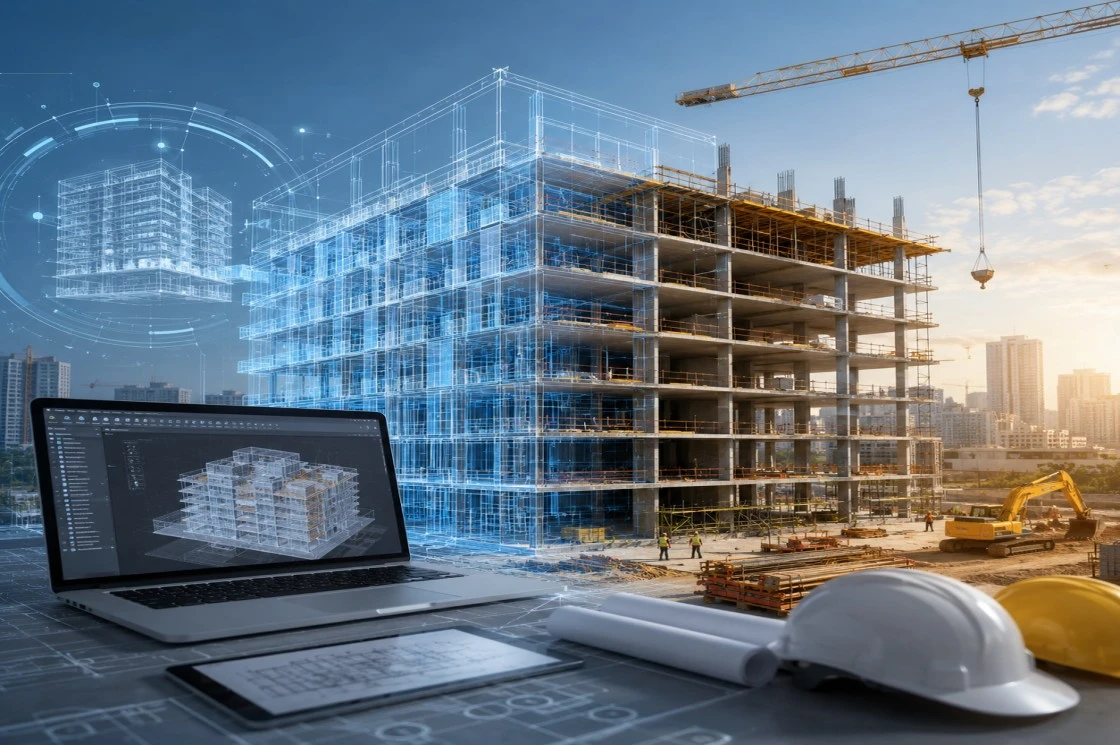
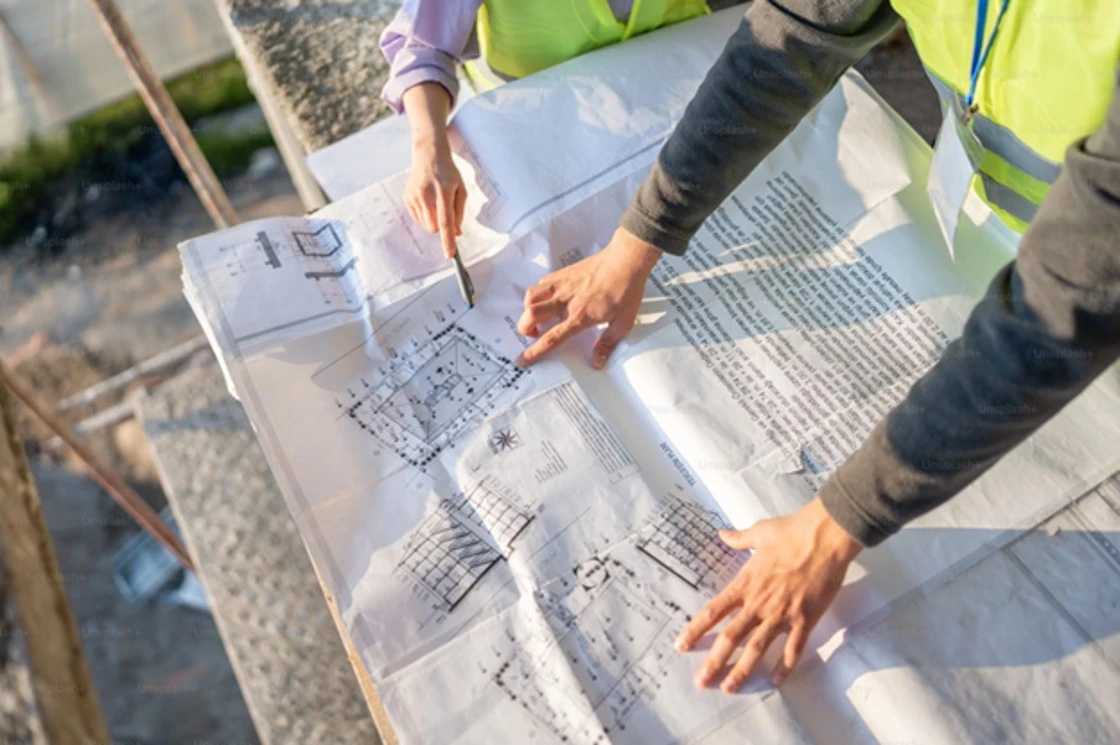
Flat drawings drove the construction industry of the past. But today’s projects are driven by data, close collaboration, and smart thinking. We’re building bigger and more complex than ever before. Relying on old ways of working means inviting unnecessary delays, design conflicts, cost overruns, and a serious lack of communication between teams. BIM Modeling and 4D Construction Simulation were made to change all that.
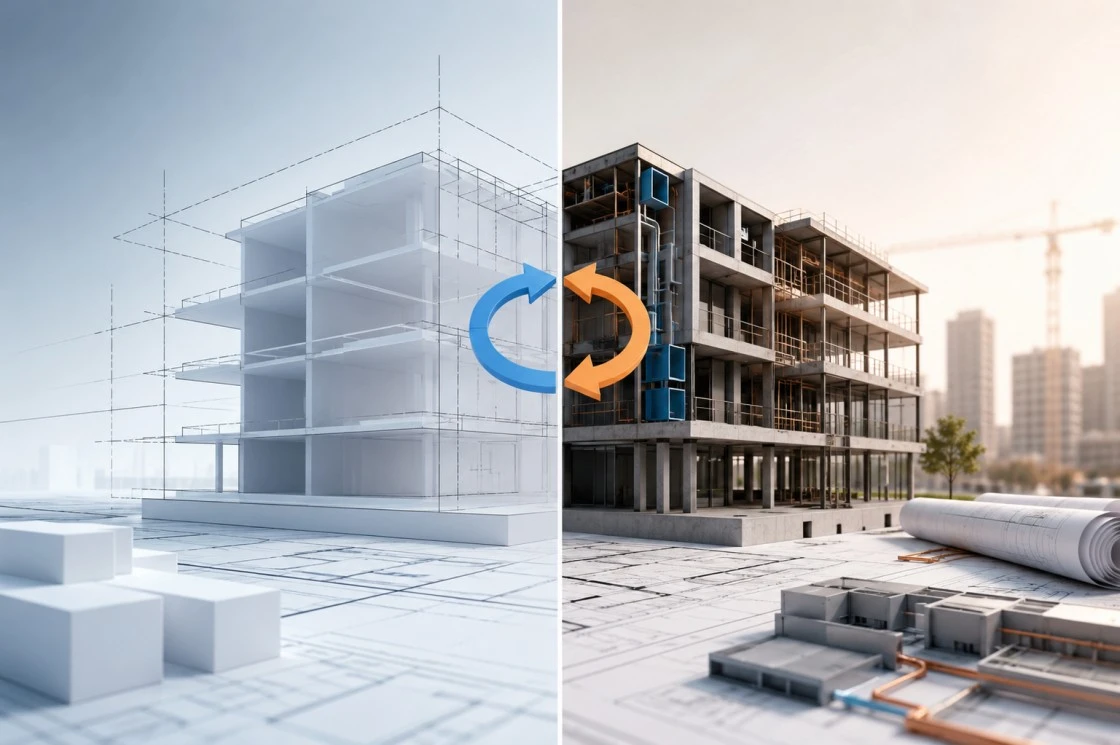
These technologies aren’t simple band-aids for your existing workflows. They’ll revolutionize the way you design, plan, and construct the built environment. BIM allows you to create a digital twin from concept to completion. 4D Construction Simulation allows you to link your intelligent 3D model to your construction schedule for visual planning. The unpredictable mud pit that is a construction site can become leaner, quicker, and far more predictable.
Let’s dive into what exactly BIM and 4D Construction Simulation are and how they can help you build smarter.
What is BIM Modeling?
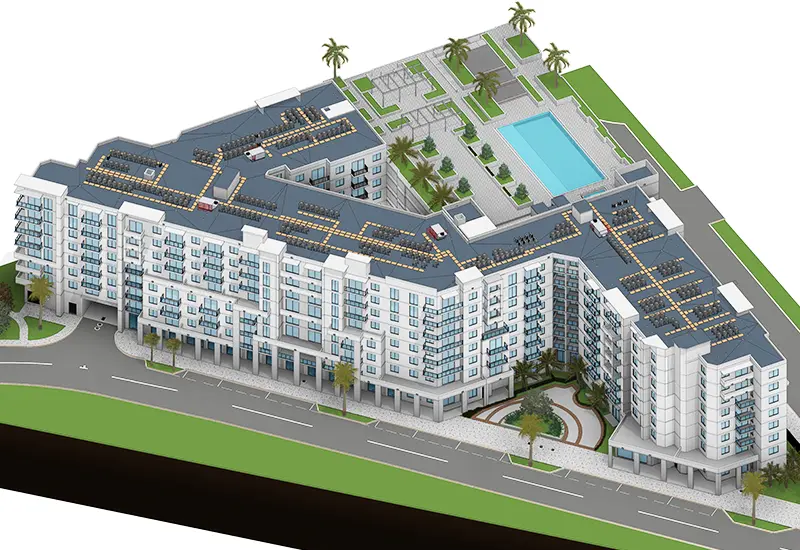
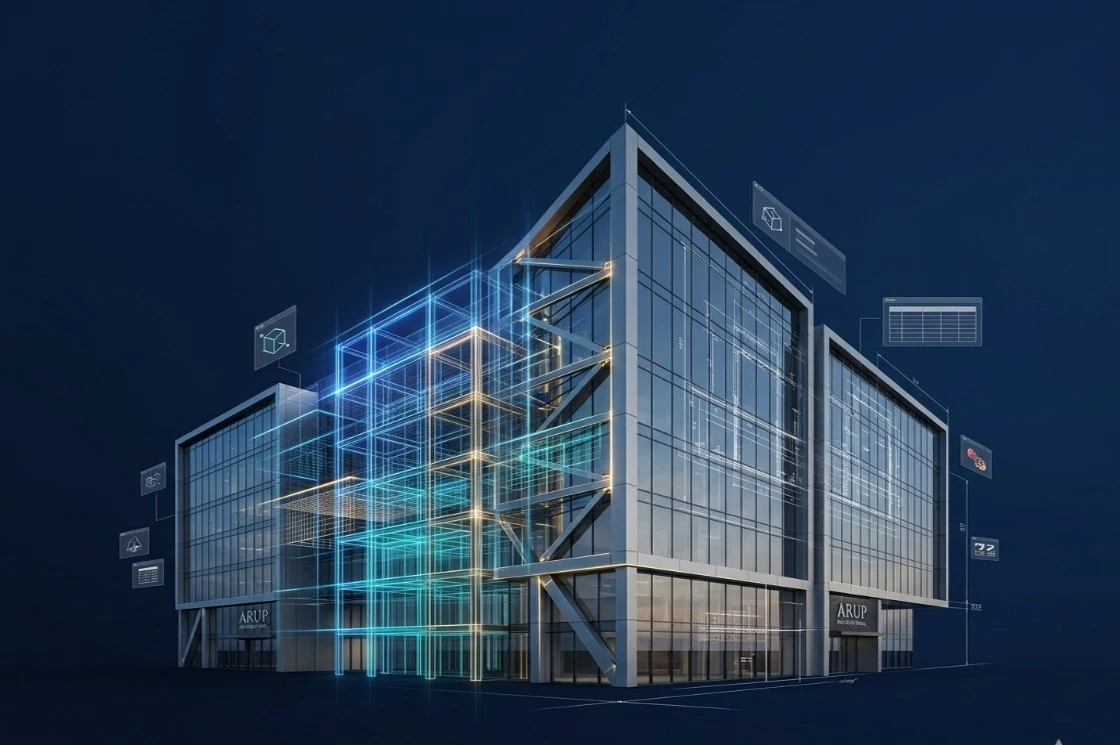
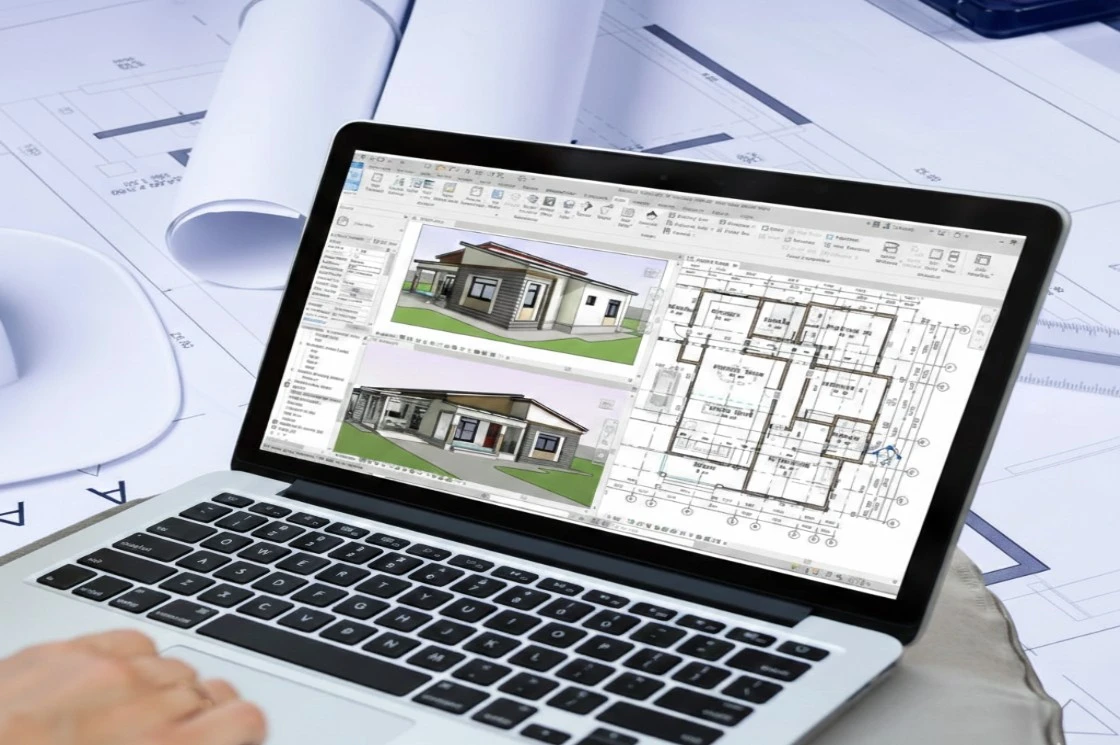
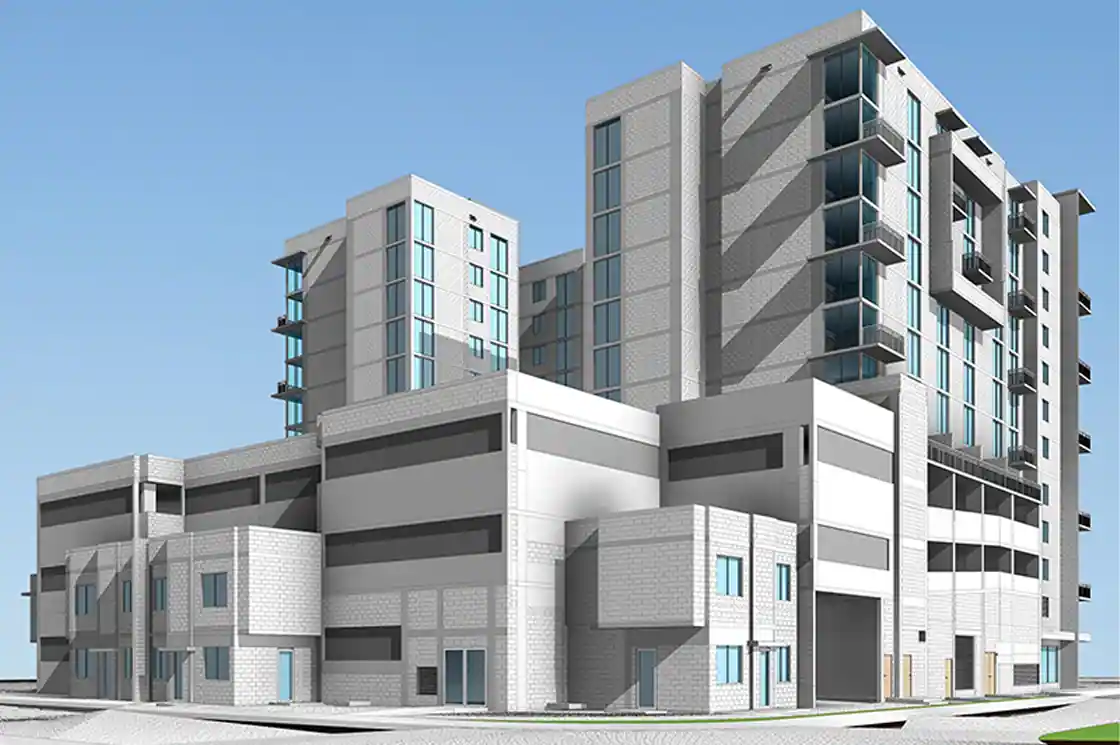
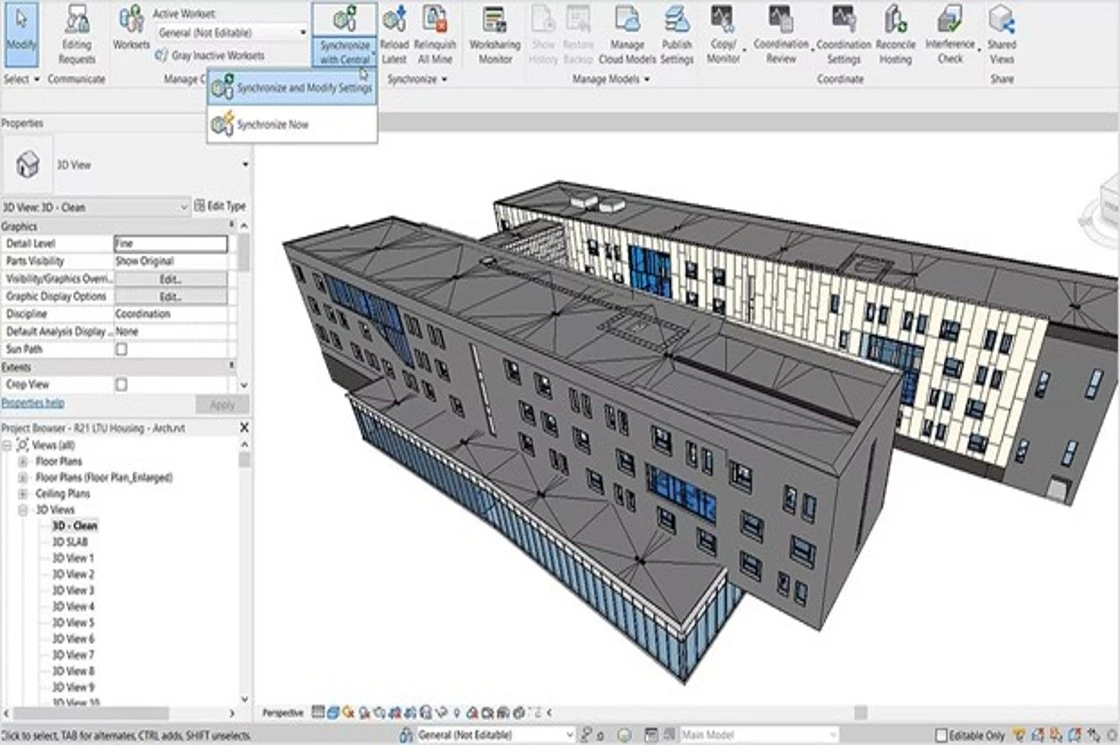
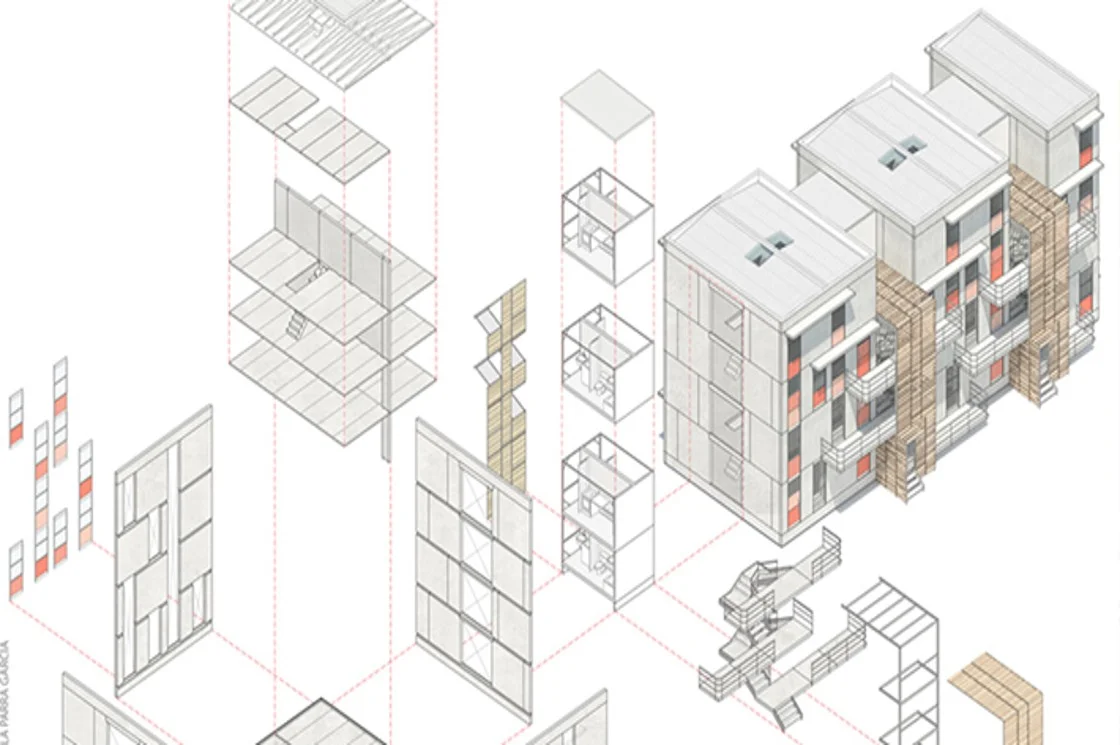
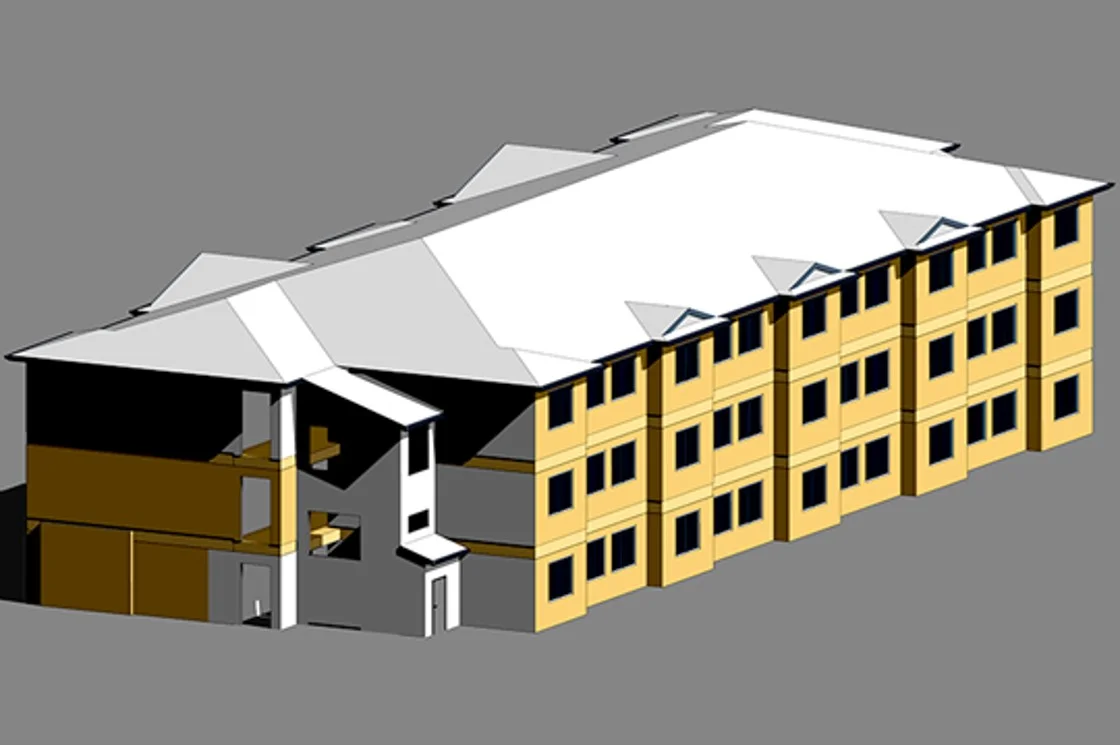
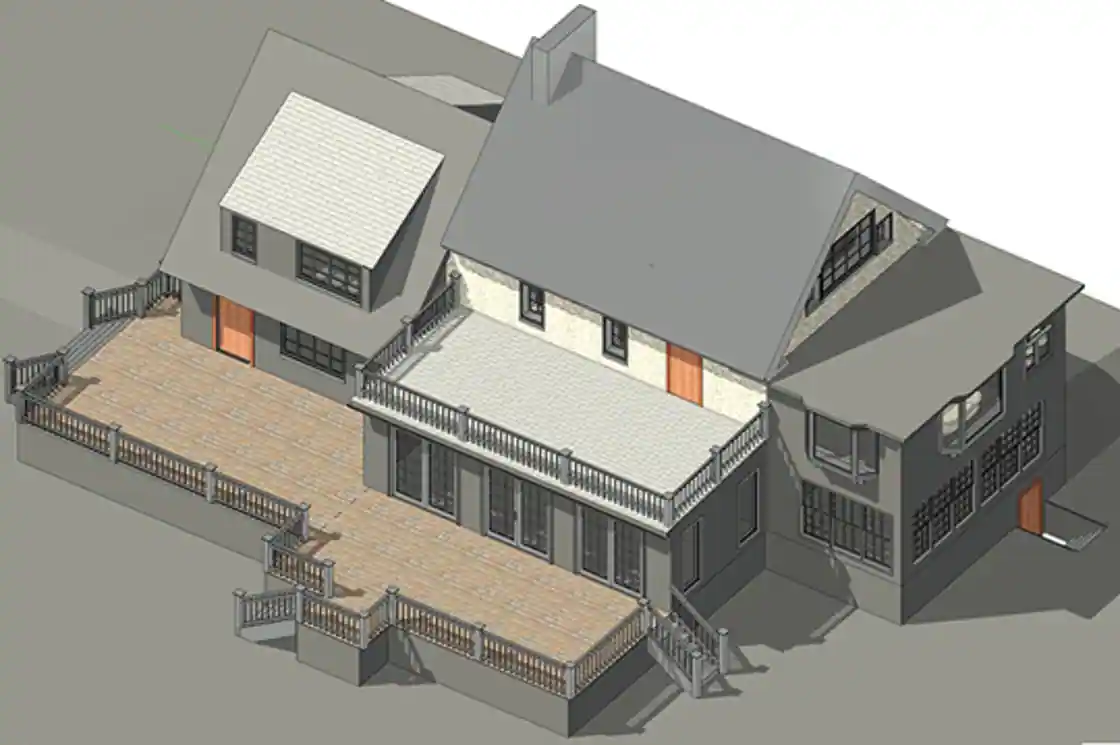
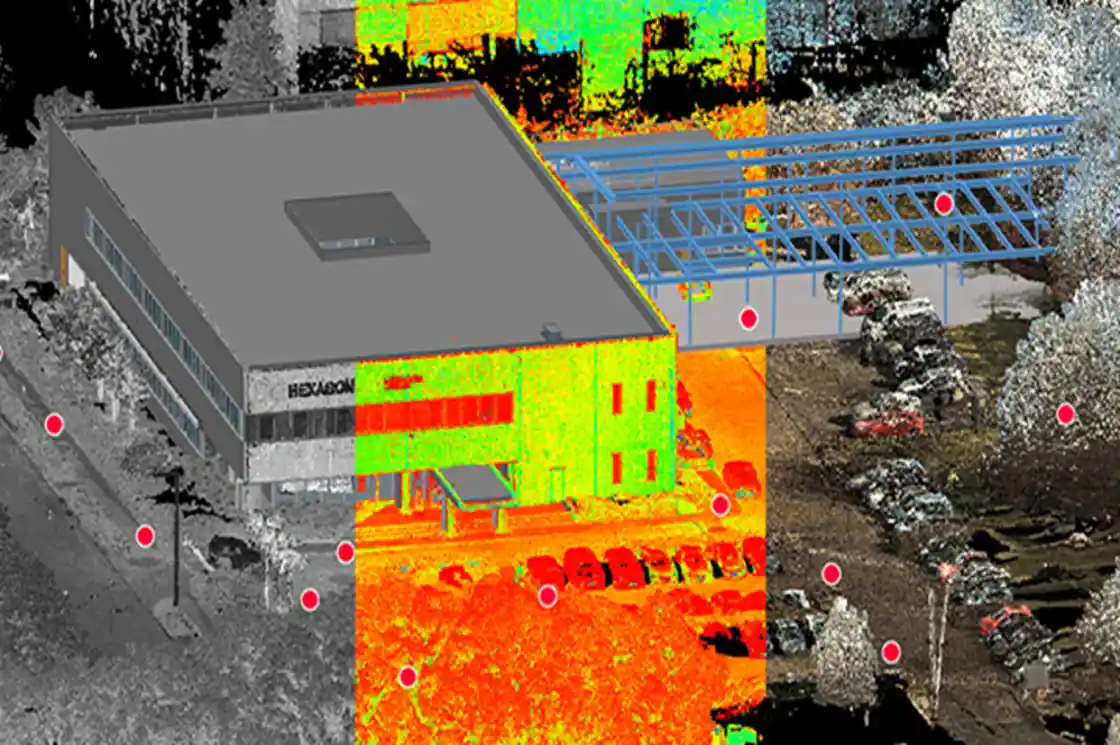
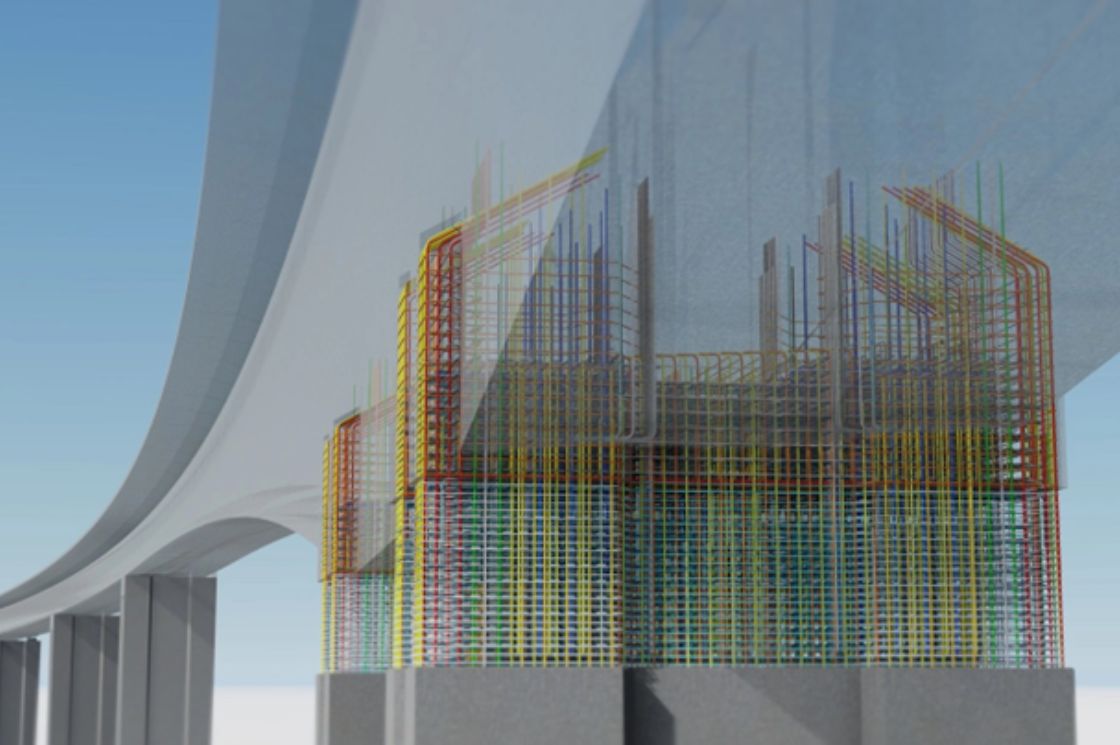
Building Information Modeling, also known as BIM, is the process of developing a computer-generated model that replicates the physical and functional characteristics of a building. BIM is a huge game changer from archaic 2D drafting because it combines your design, technical details, and multi-discipline coordination into one intelligent model.
Elements of a strong BIM model include.
Architecture
Structure
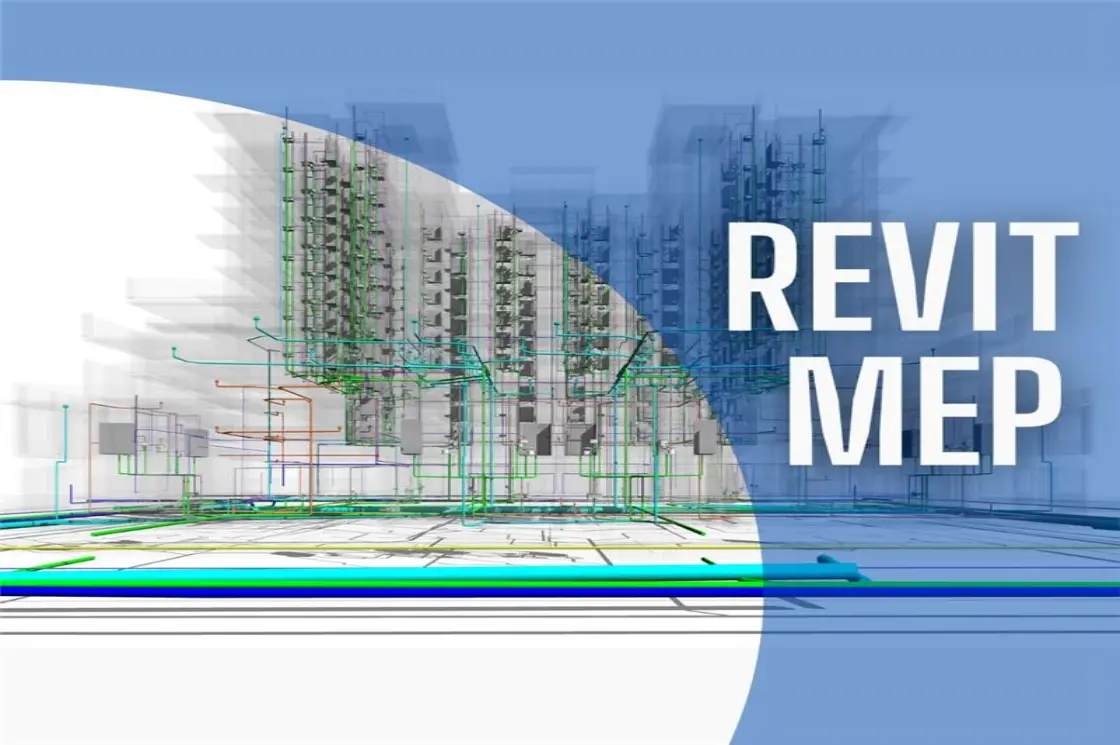
MEP services
Material specifications
Quantities and dimensions
Project lifecycle data
Because everyone from architects to engineers to contractors to owners can work from the same model, BIM encourages better collaboration and prevents costly mistakes before breaking ground.
Source: AEODC
Benefits of BIM Modeling
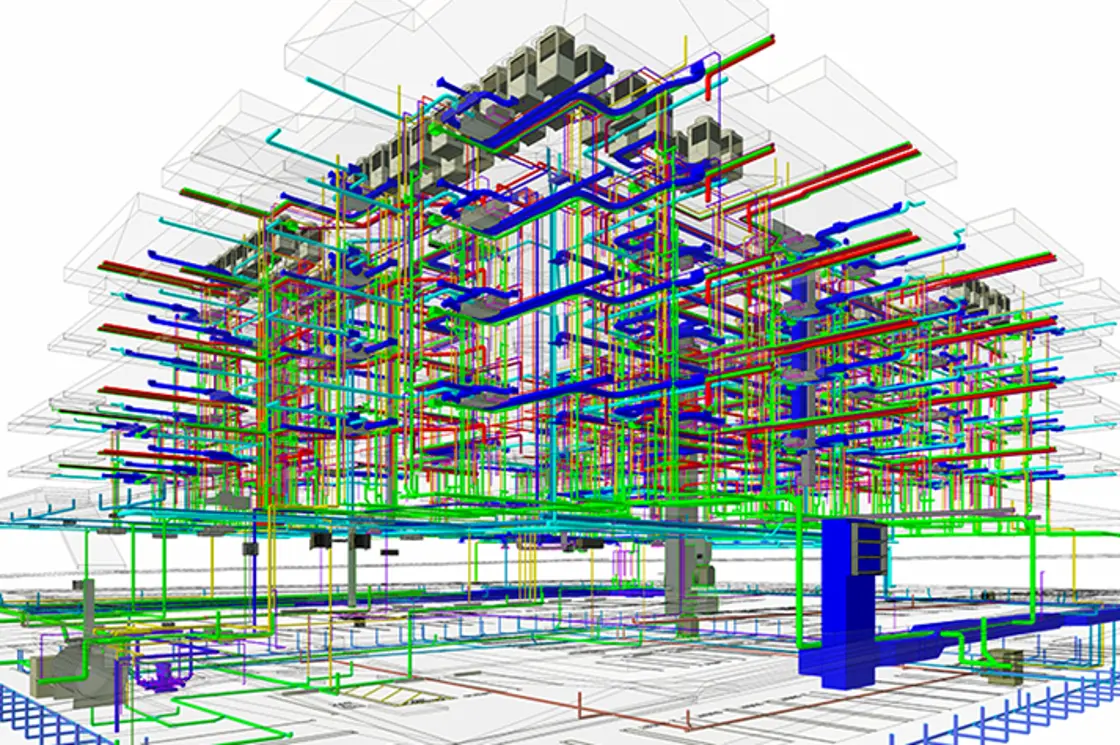
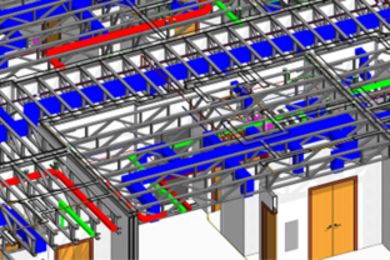
Avoid Clash before they Happen on Site
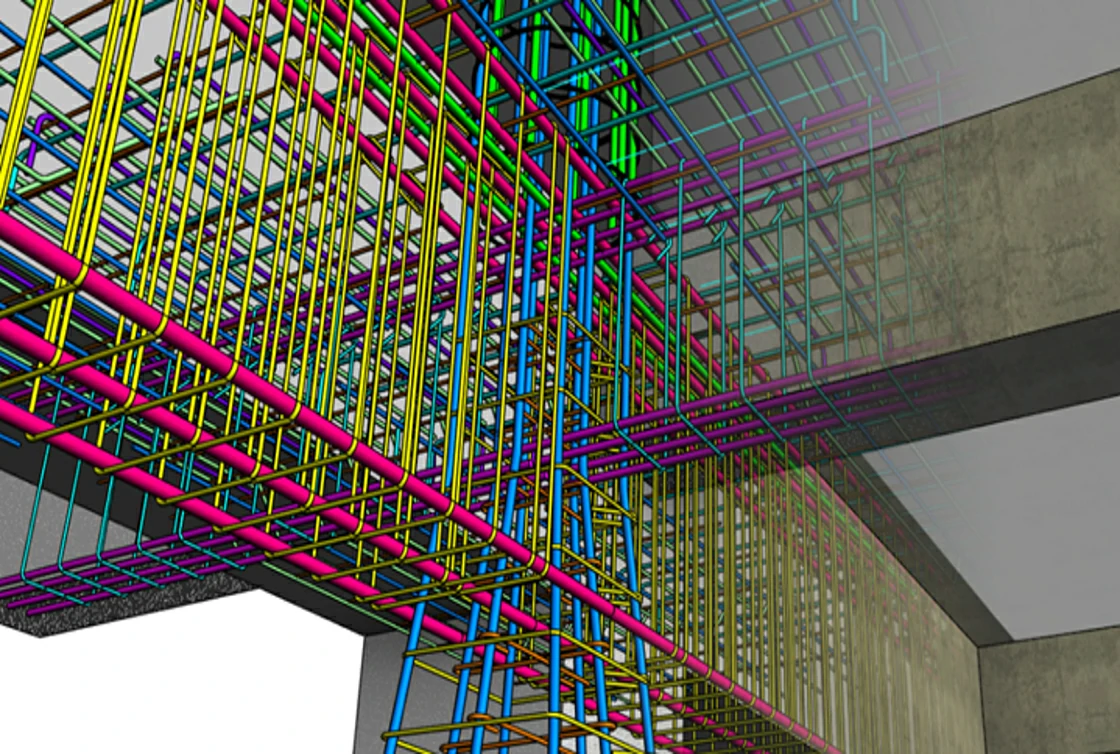
With BIM, cross-discipline clashes can be identified and repaired before construction begins. There’s nothing worse than finding out your designed-in one-million-dollar structural beam clashes with an HVAC duct – ON SITE. Identifying these problems during the BIM phase can save tons of valuable time and money.
Enhanced Collaboration
Imagine never having to wonder if your engineer has the latest info or if your design team is waiting on info from the architect. BIM acts as a “single source of truth” and allows project teams to work from the most up-to-date project data. It closes the communication gap that typically exists between the office and the jobsite.
Precise Quantity Take-Offs
Say goodbye to counting materials in your free time. BIM allows you to extract quantities straight from your model which results in accurate cost estimations and helps minimize waste.
Streamlined Decision Making
Real-time updates and easy 3D visualization allow project managers to make quick and informed decisions.
Better facility management years after construction
All of that great data doesn’t go to waste after construction is completed. BIM supports operations, maintenance, and future renovations long after the build ends.
What is 4D Construction Simulation?
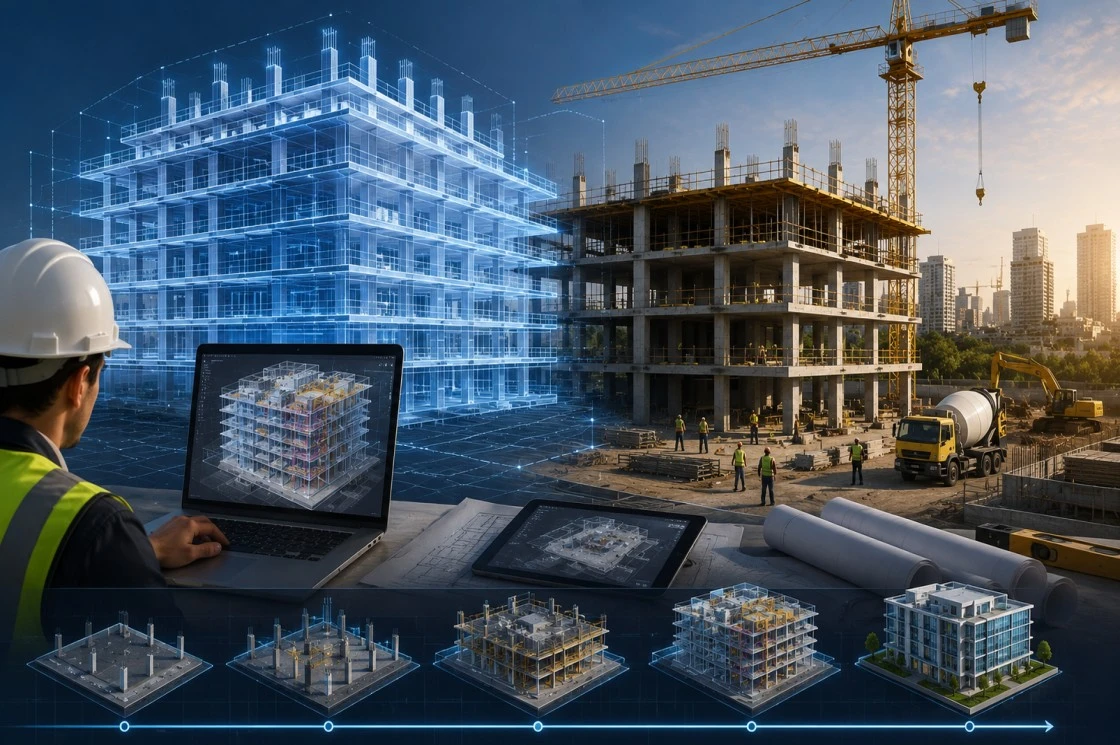
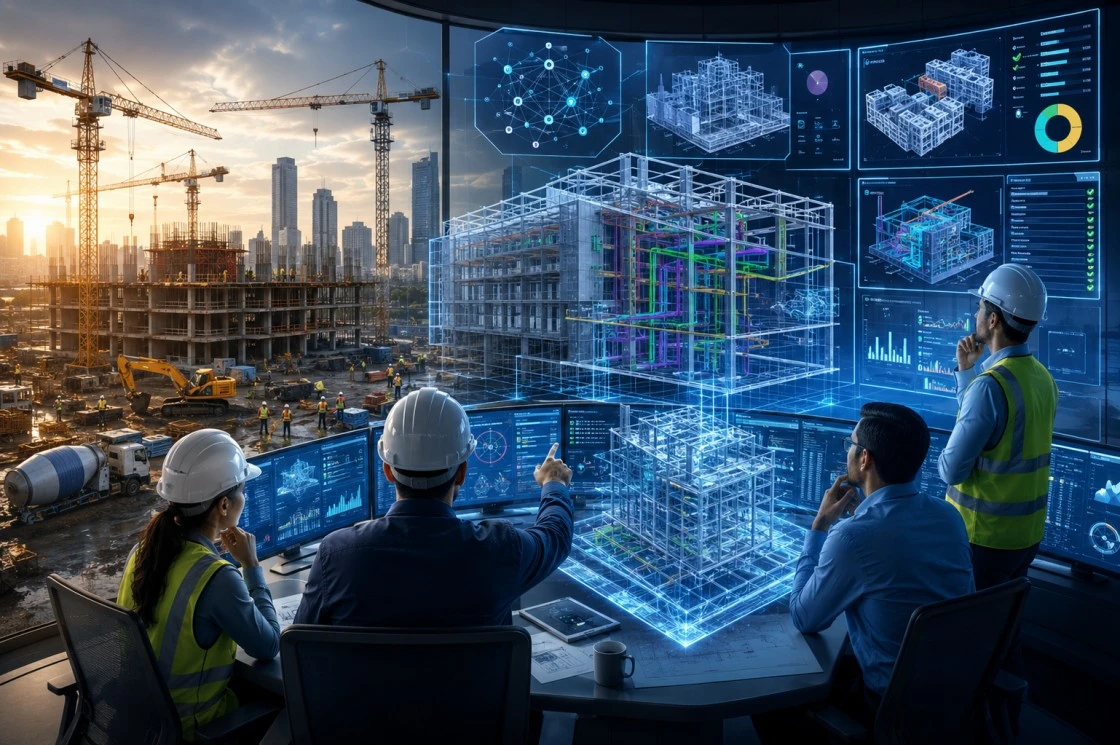
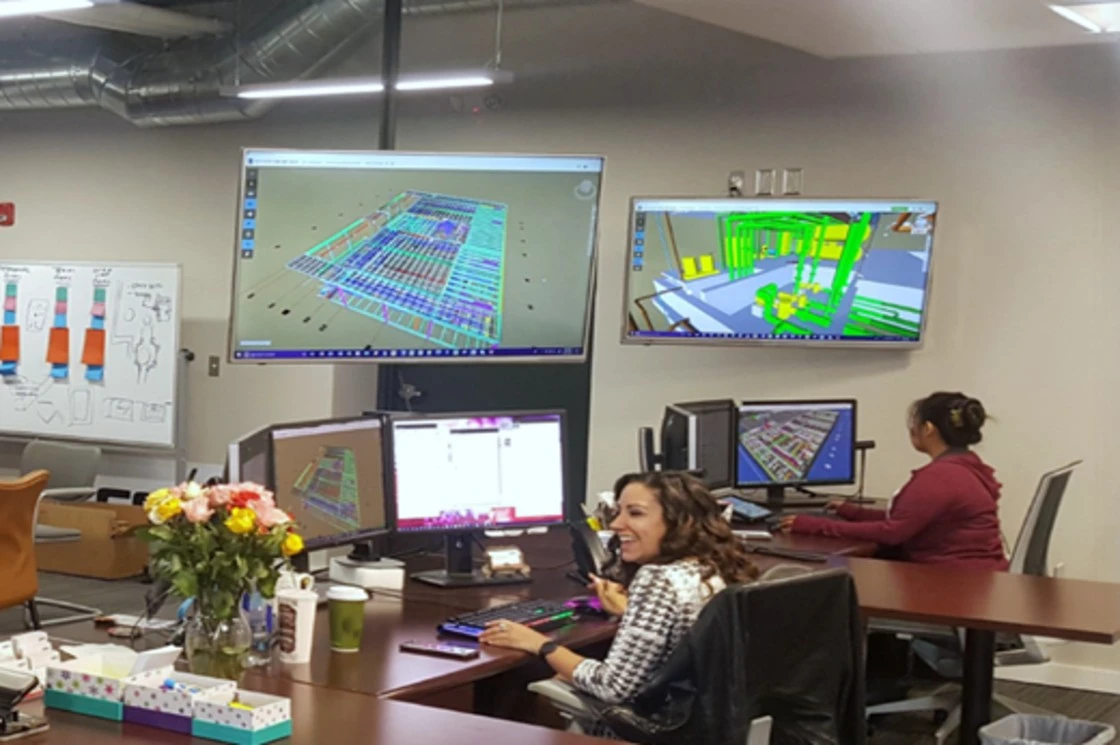
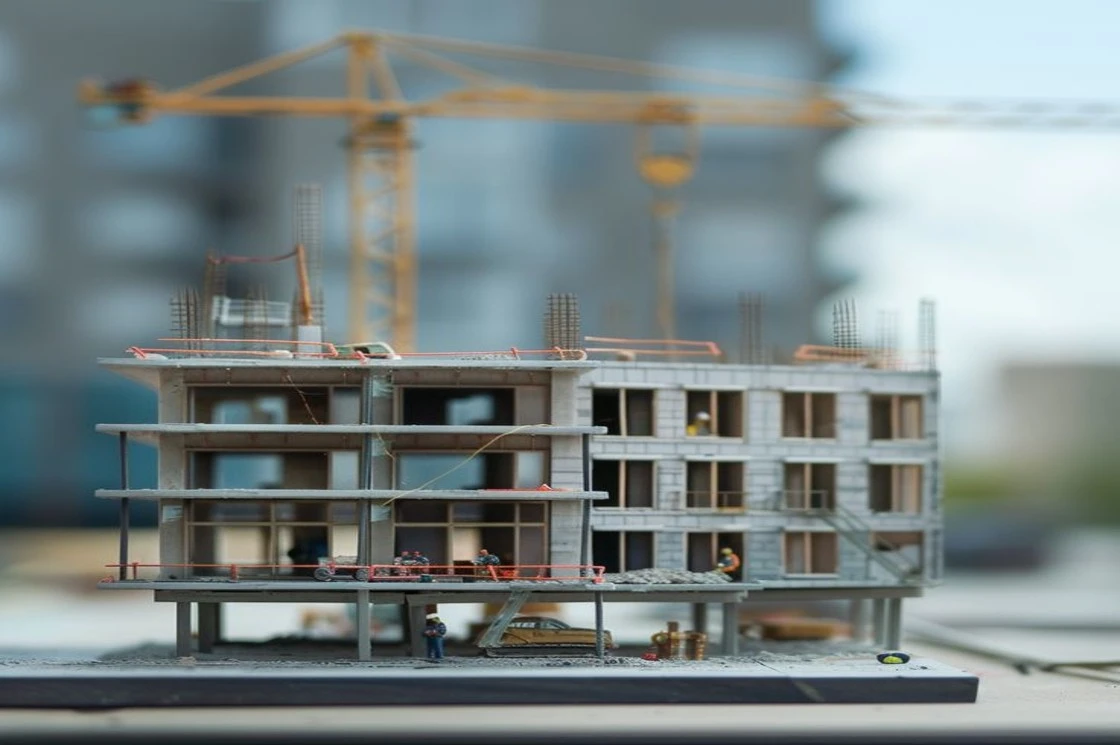
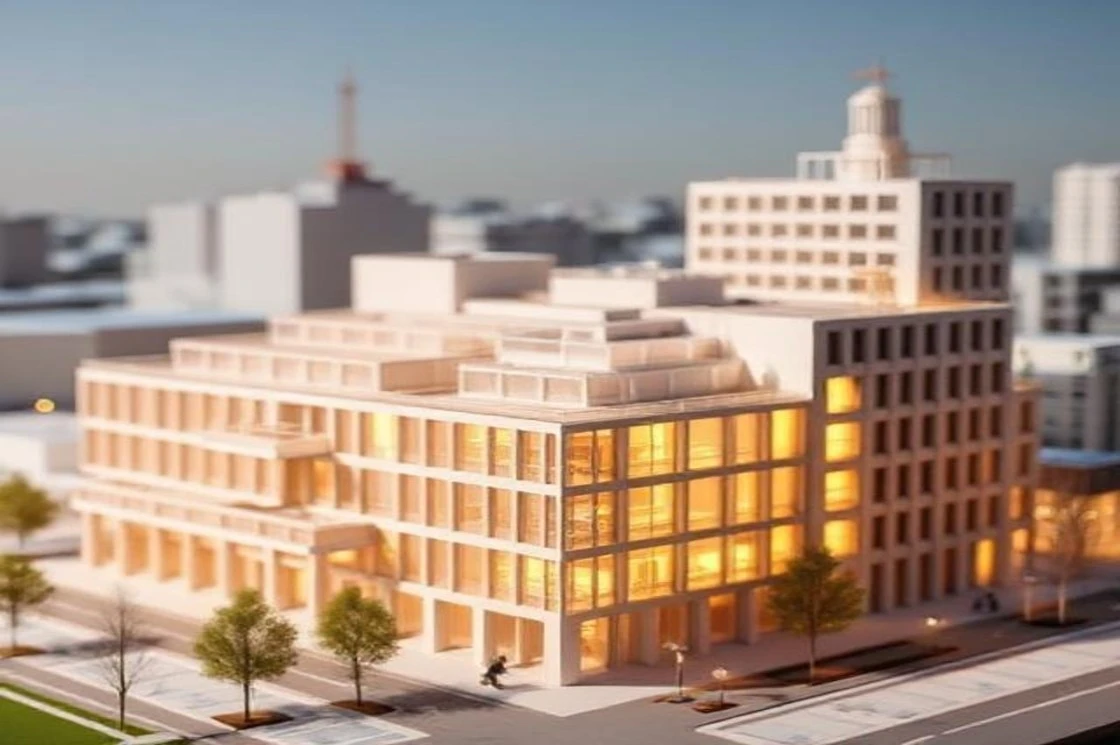
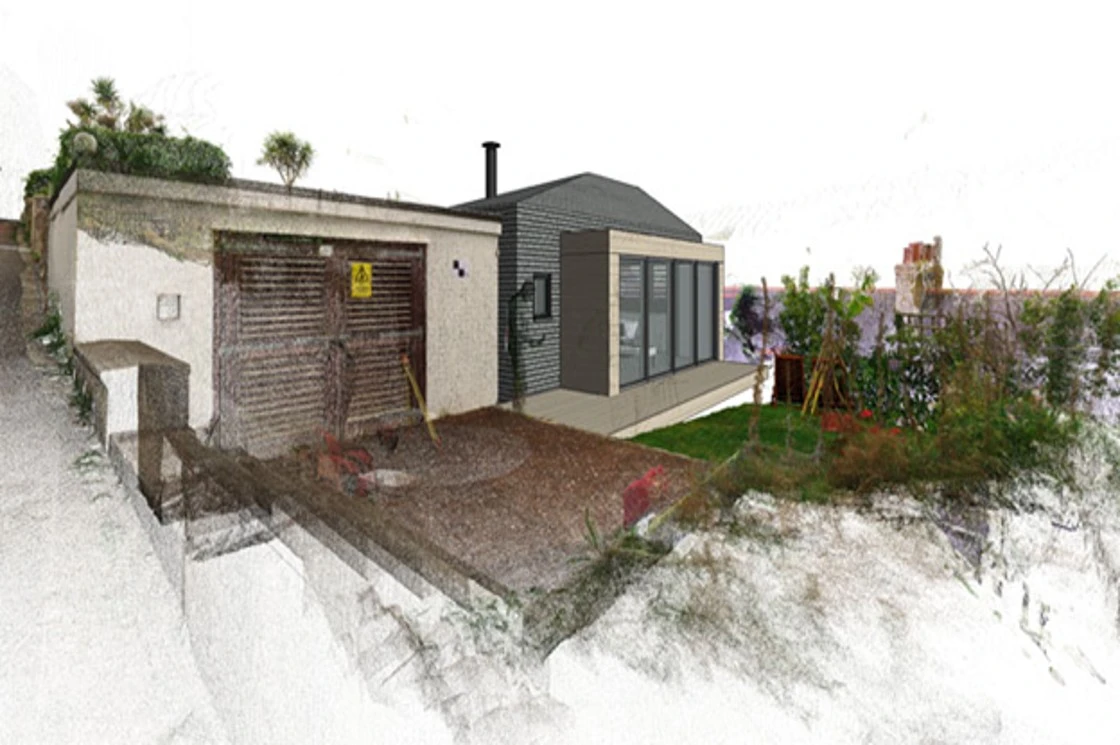
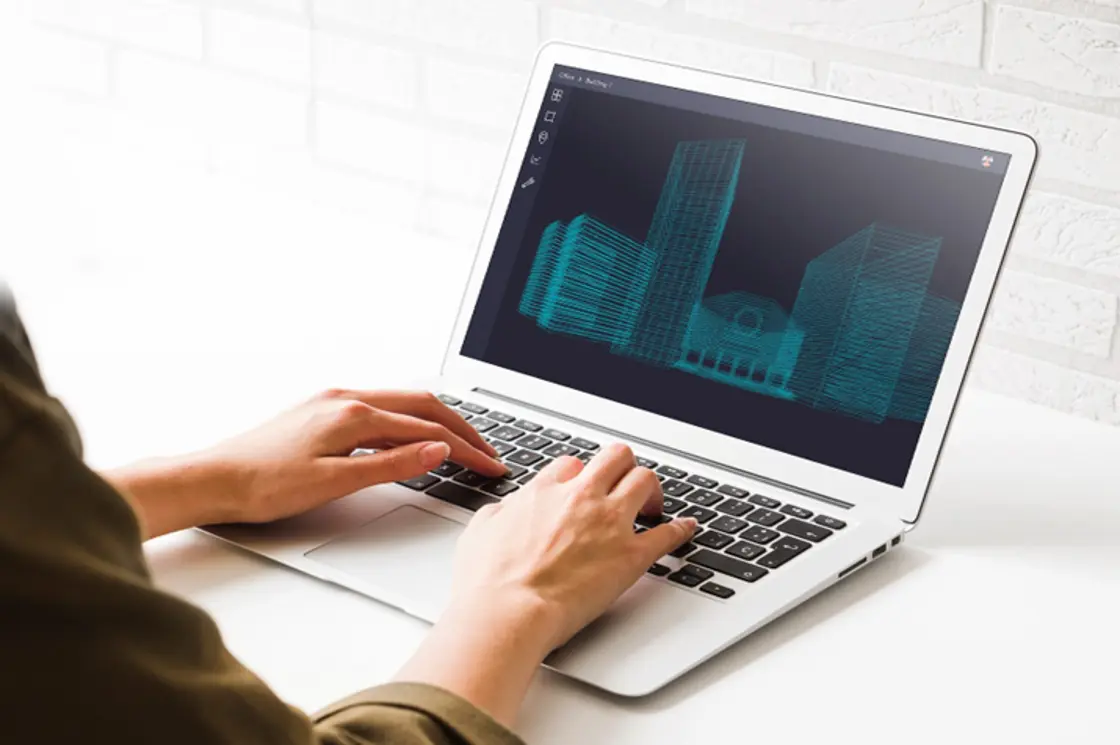
If BIM is the what (building intelligence), 4D Construction Simulation is the when. 4D Simulation attaches your time schedule to the BIM model you created. You can plan out your construction sequence and watch it come to life before the first bucket of concrete is poured.
Instead of flipping through a 50-page spreadsheet or getting lost in a program like Primavera or Excel, stakeholders can visualize exactly how the project will be built from start to finish. It’s planning made practical.
Want to see Building Information Modeling and 4D Construction Simulation in action?
Contact U-Schedule to learn more about how our construction planning software can optimize how you design, plan, and build your next project
Source: AEODC
4D Construction Simulation Makes Project Predictable
You Can See the Plan Come Together
Construction managers can finally visualize the process by seeing how trades overlap and rely on each other with 4D animation.
Prevent Delays & Rescheduling
Identify where bottlenecks are likely to occur before they happen, allowing your team to avoid unnecessary delays.
Plan For A Safer Site
Study how the site will look and operate before it happens to sequence safer work and identify high-risk activities.
Easier Communication With Clients
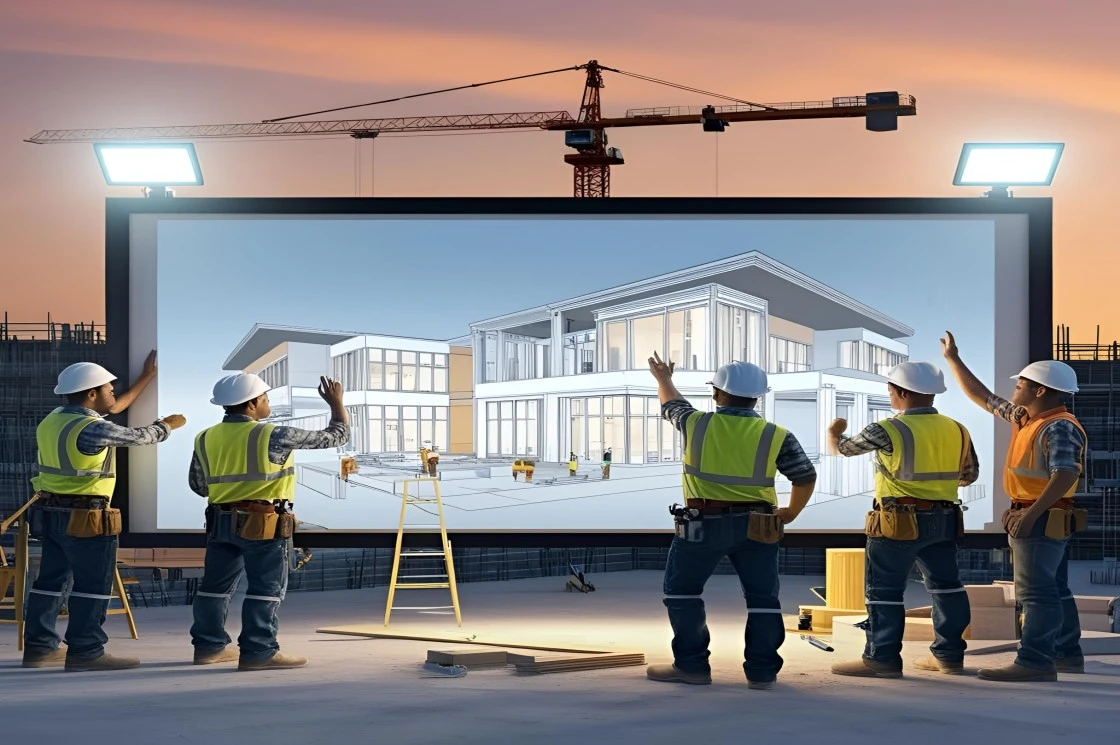
Sometimes it’s just hard for clients to look at a Schedule and understand your plan. But when they can see everything coming together before construction even begins, trust is built instantly.
Efficient Resource Planning
Coordination of labor, heavy equipment and material deliveries is easy when everyone can visualize what phase of construction is taking place when.
Construction Made Easy With BIM Modeling + 4D Simulation
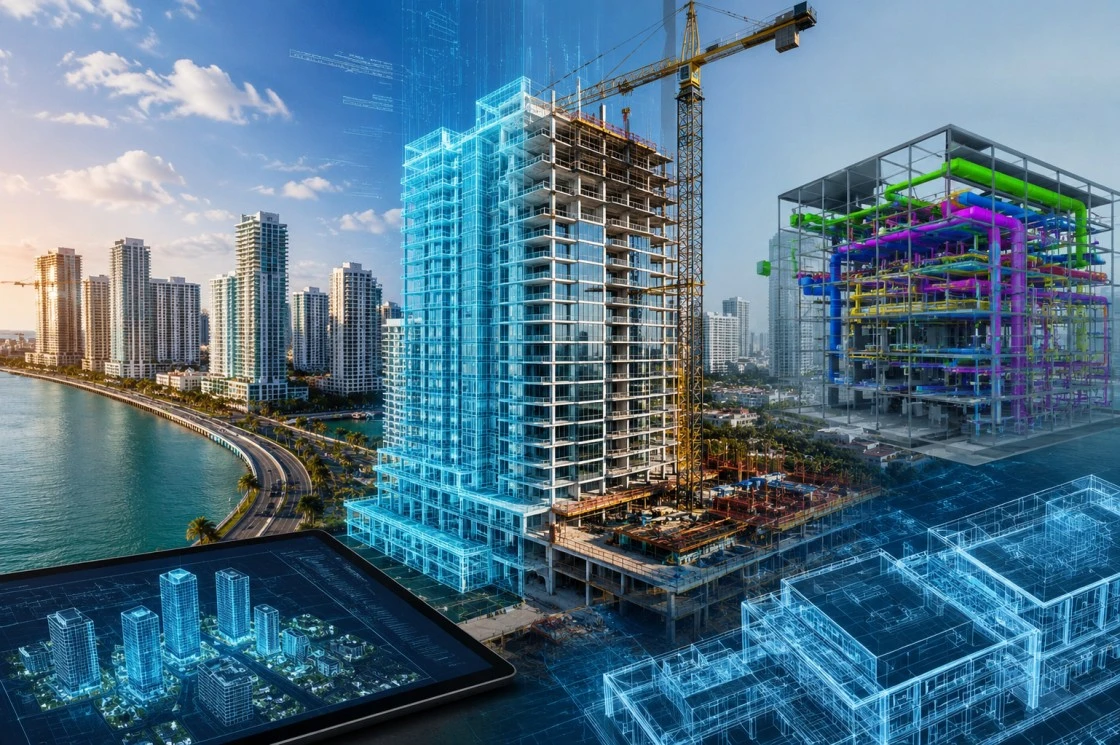
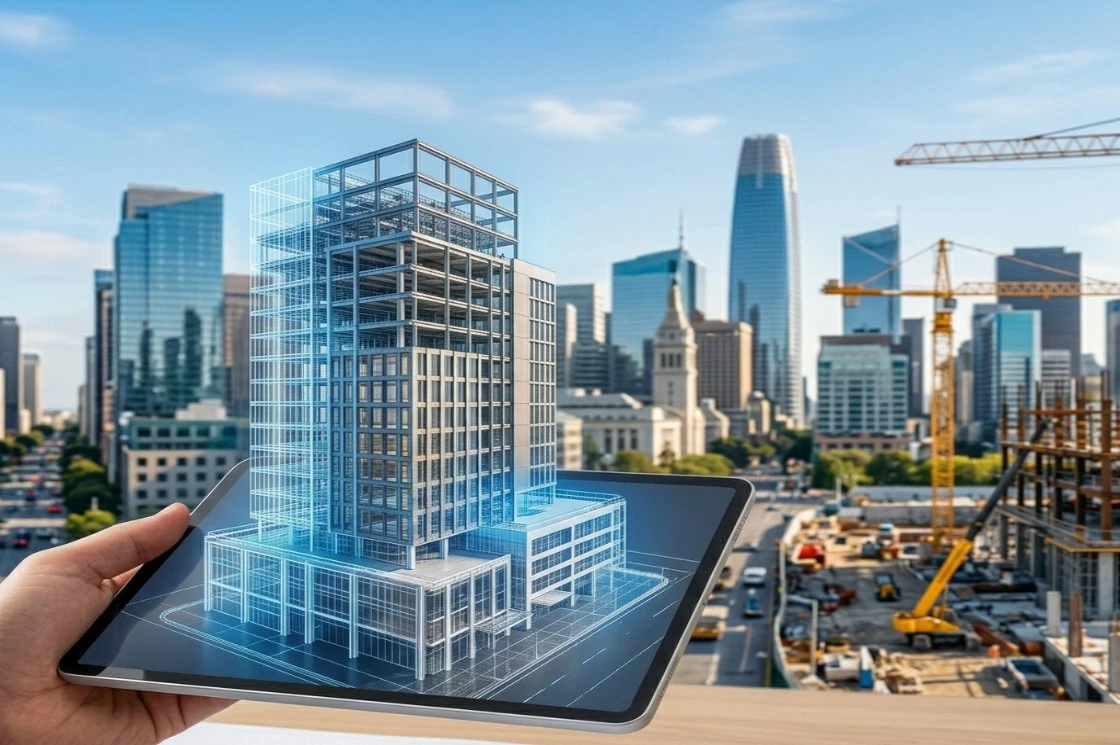
BIM Modeling and 4D Simulation are great on their own, but when you combine them, your team will have control over your project like never before. BIM ensures your project is built right, while 4D Simulation ensures it’s built smart. Project teams that leverage these tools can switch from reactive firefighters to proactive project managers.
Translation: Less mistakes during construction, schedules are met with pinpoint accuracy, projects cost less, teams are more productive, you meet your guaranteed completion dates and stakeholders have more confidence in your team.
Combine that with the fact these technologies are quickly becoming required by General Contractors across the globe. you won’t want to be the company caught doing a multimillion-dollar build without these tools.
BIM and 4D Construction Simulation are used on all types of Projects
Office Buildings, Commercial Buildings, Hospitals & Healthcare, Facilities, Airports, Industrial & Data Centers, Infrastructure & Metro Rail, Smart Cities. Any Project that’s high-value and/or high-risk will benefit from digital planning. It used to be considered a nice bonus, but these days… it’s table stakes.
“It’s not a question of if you should plan, but how you plan.”
Building Information Modeling (BIM) & 4D Simulation Will Become Required
All across the world, national and local governments are adopting BIM guidelines and standards to be required for public projects. In some countries, it’s already illegal to build public infrastructure without some level of BIM. Private developers are following suit too because, when you plan in greater detail, projects just have better outcomes.
Companies that start using BIM Modeling and 4D Simulation today are preparing themselves to lead the industry tomorrow.
Conclusion
Construction isn’t always a competition of who can build the quickest. There’s something to be said about building smart, and BIM + 4D Construction Simulation allows organizations to plan in a way that reduces risk, improves coordination and meet project budget goals. They finally close the gap between the designers and the field by making the impossible seem predictable. If you’re a developer or contractor that wants to gain a serious edge over your competition, it’s time to start using these tools to plan before you build.