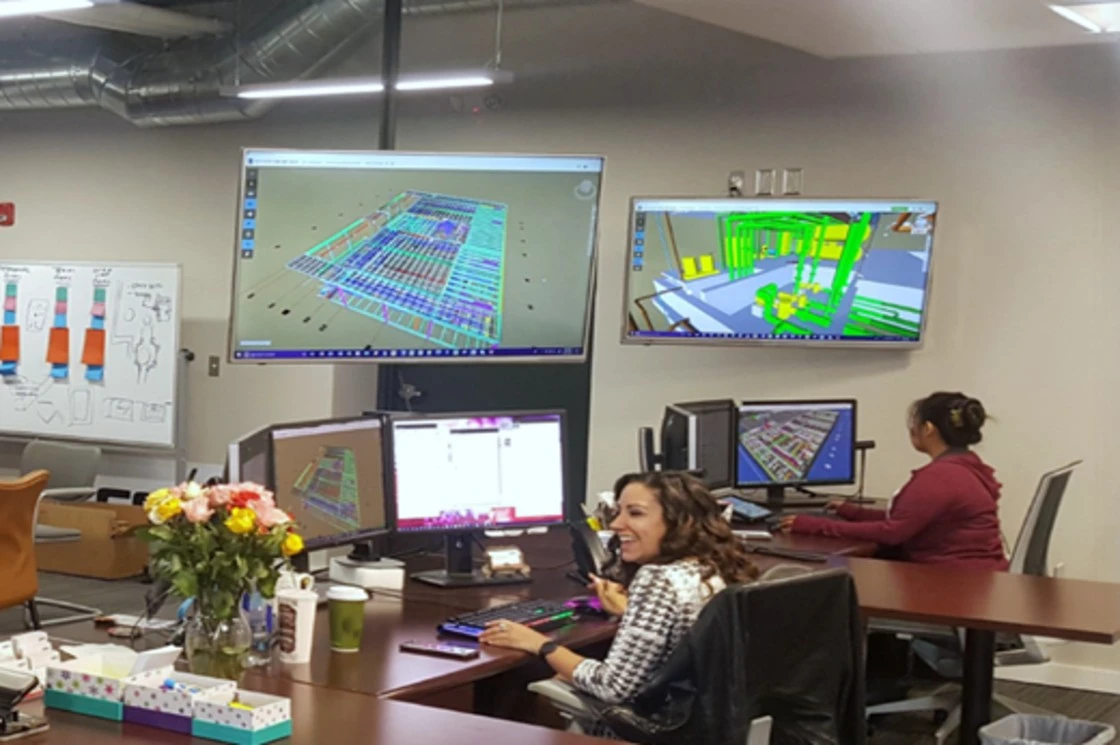
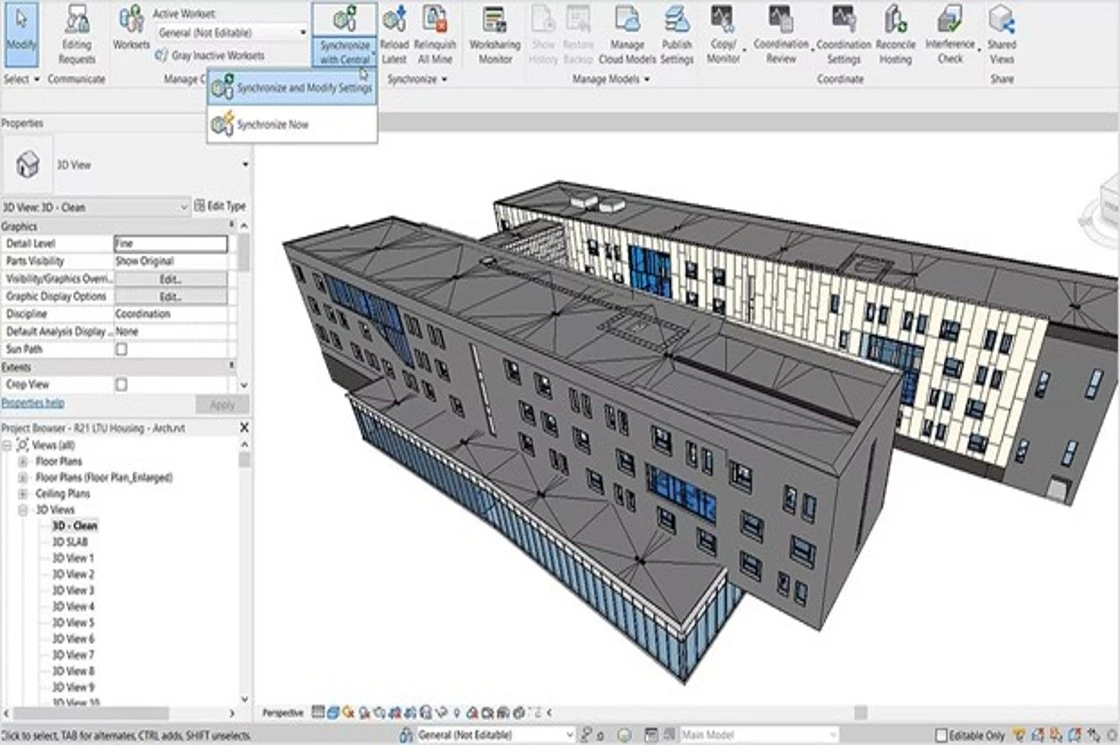
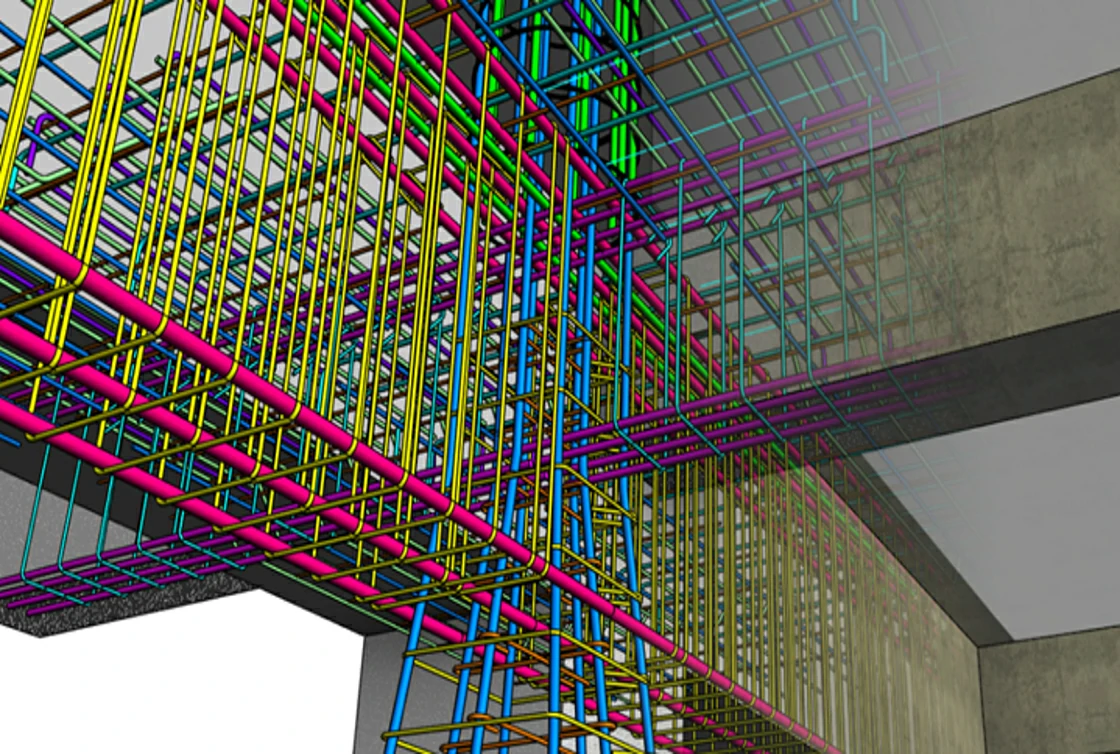
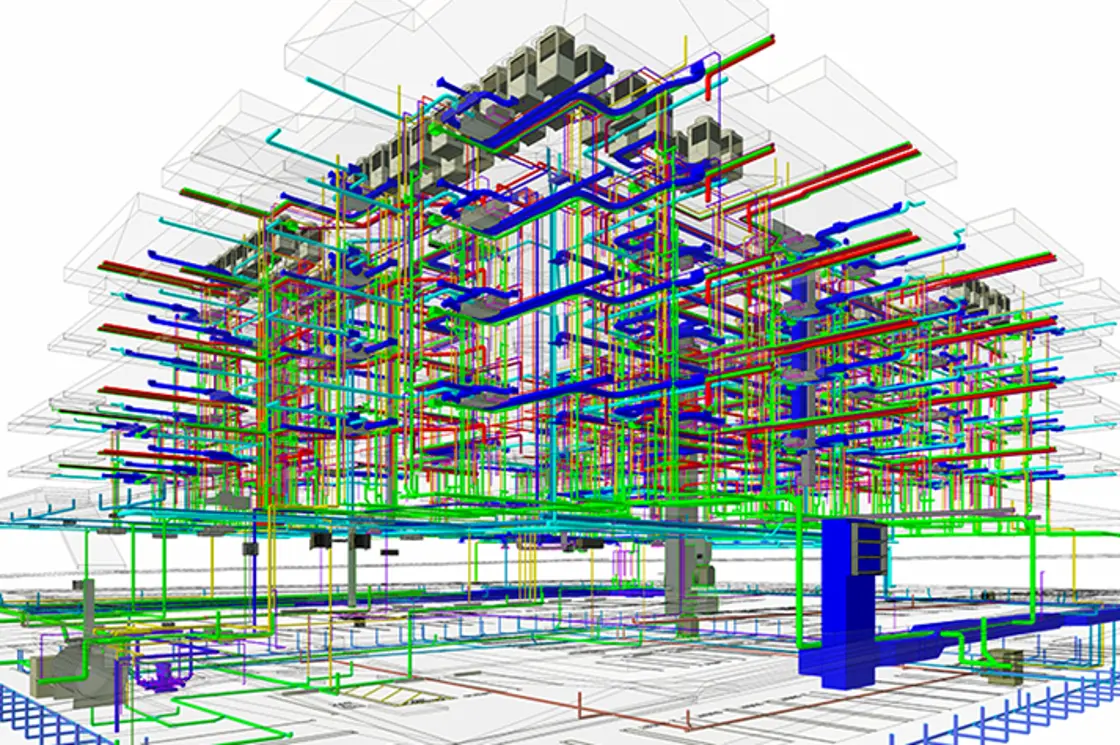
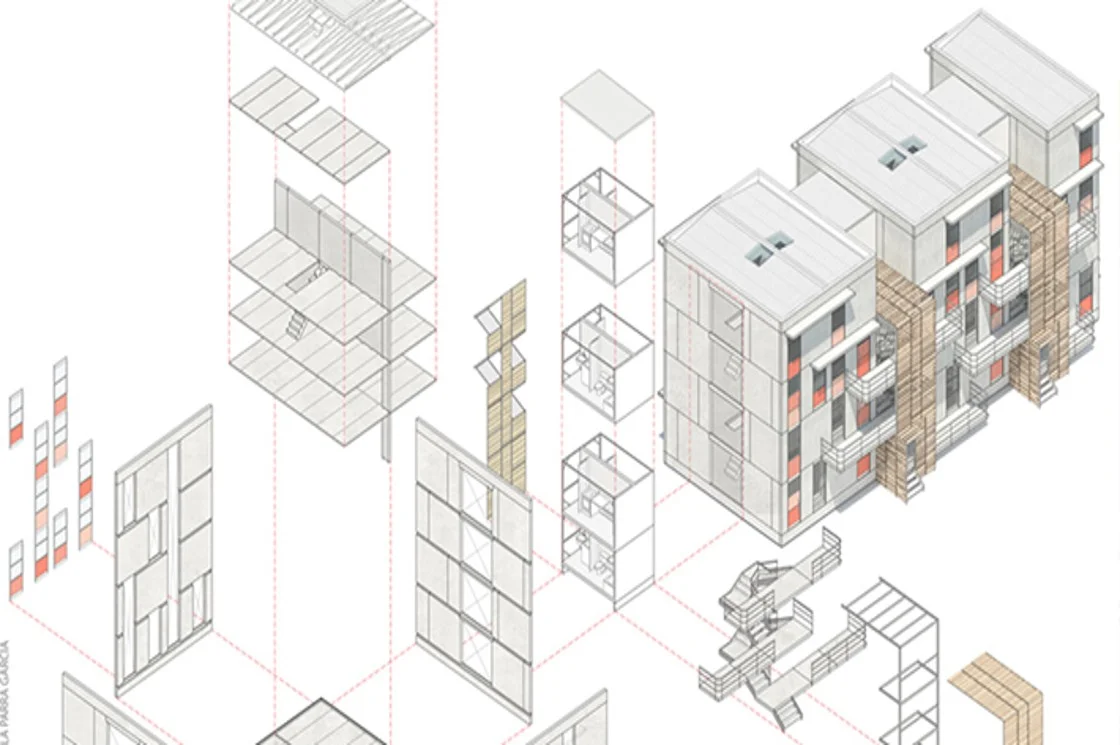
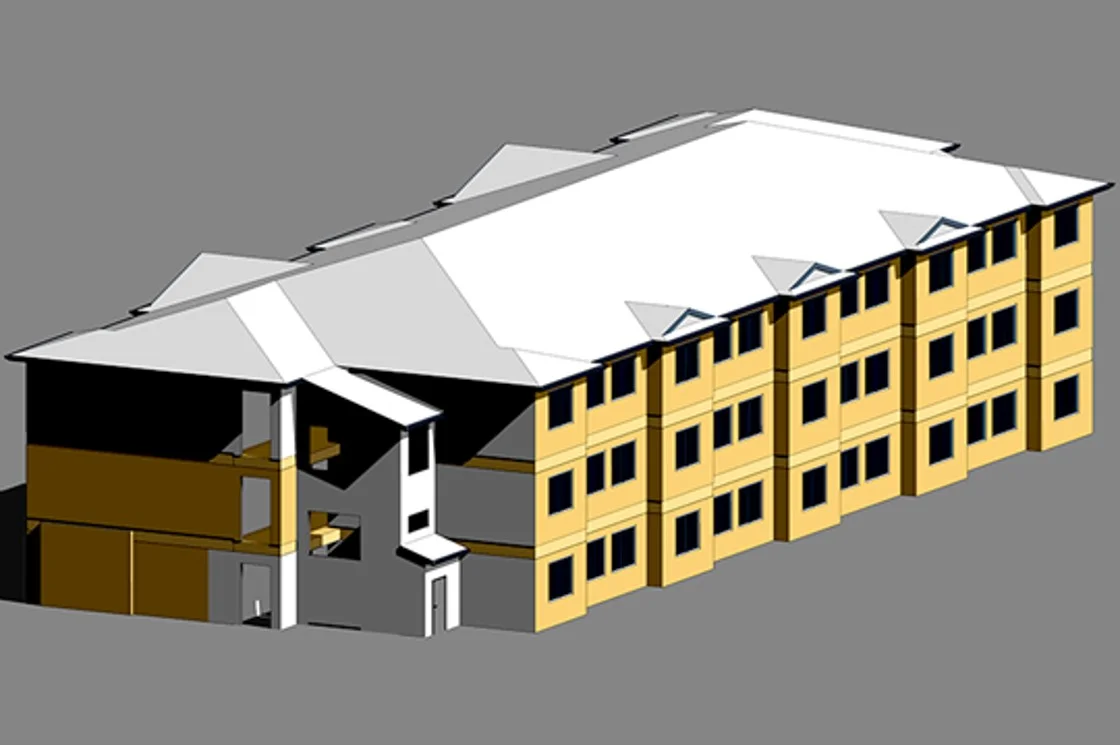
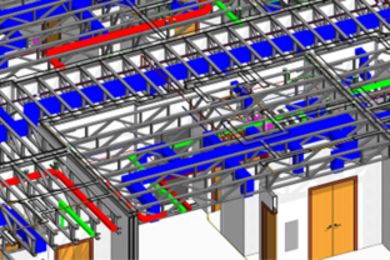
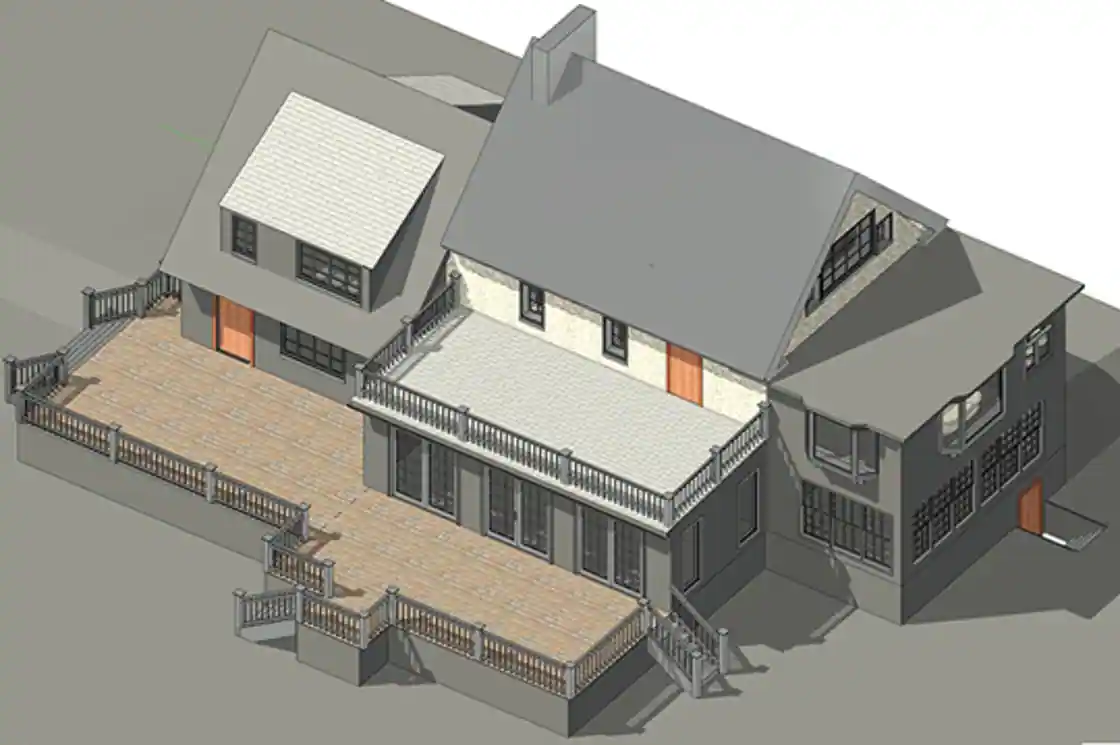
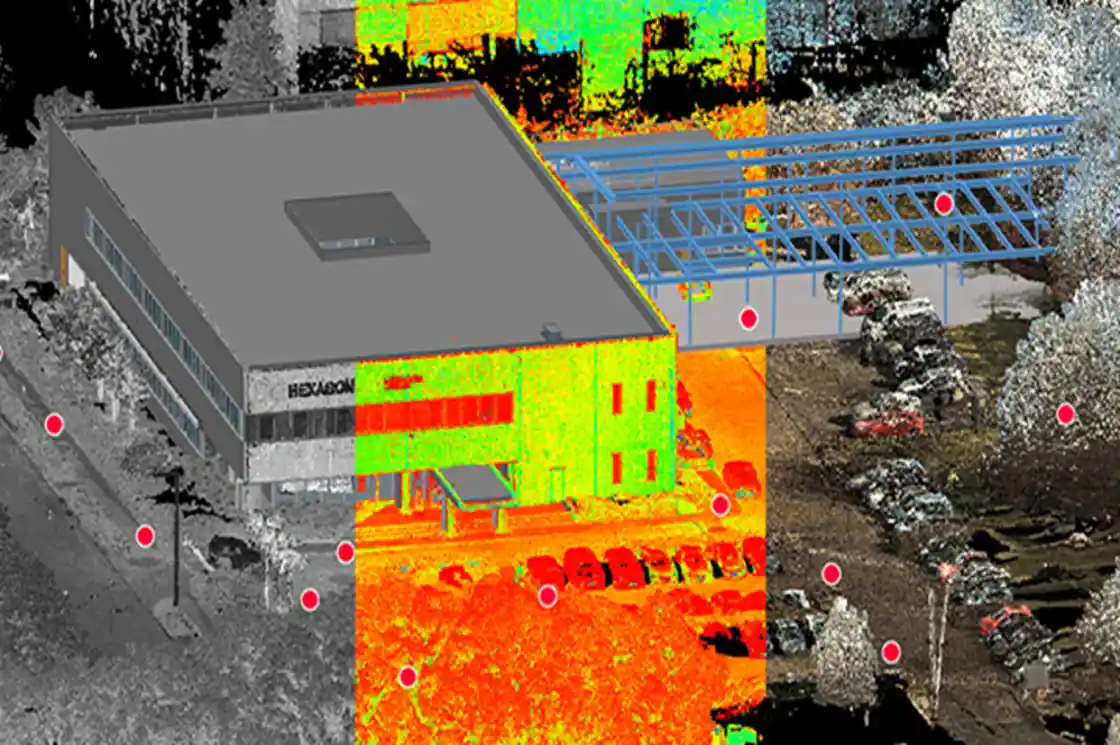
For BIM Coordination Services to work, models must follow strict data structuring rules. An experienced BIM service provider usually follows recognized frameworks, including:
ISO 19650 – standards for managing information
LOD Framework (100–500) – definitions for geometry and data maturity
IFC schema – a format for exchanging data openly
COBie datasets – structured information for assets
When these standards are followed BIM Coordination Services ensure that every element has consistent geometry, metadata, classification coding and defined spatial relationships. Without this foundation even the best software cannot guarantee accurate coordination. A disciplined BIM service provider treats data structure as the backbone of coordination accuracy.
Federated Model Integration Workflow
At the heart of BIM Coordination Services is model integration. A competent BIM service provider brings together models—like architectural, structural and mechanical models—into a unified digital environment.
The technical workflow sequence is as follows:
Model normalization, which includes units, coordinates and naming conventions
Checks to validate geometry
Mapping. Aligning classification
Verifying hierarchy
Creating scripts for clash detection
Running automated coordination
This systematic process allows a BIM service provider to deliver BIM Coordination Services that go beyond visual review. Automated scripts check thousands of object interactions at once identifying clashes, clearance issues and sequence-related conflicts. Through integration coordination becomes methodical rather than subjective.
Clash Detection Algorithms and Rule Sets
Source: AI
Advanced BIM Coordination Services rely on clash matrices rather than generic collision detection. A skilled BIM service provider defines coordination logic, such as:
Prioritizing structural or MEP systems
Setting clearance tolerances based on system type
Defining routing paths restricted to zones
Constraints related to installation sequencing
These rules are executed within coordination engines that compare elements and tolerance zones. The resulting clash dataset is categorized by severity, trade ownership and constructability impact. By applying algorithm-based validation a BIM service provider transforms BIM Coordination Services into a quality control mechanism than a manual process.
Performance Metrics Used to Evaluate Coordination Quality
performing organizations evaluate BIM Coordination Services using measurable indicators. A results-driven BIM service provider tracks performance indicators, such as:
Clash density per 1000 elements
Time taken to resolve clashes
Model compliance score
Coordination maturity index
Rework avoidance ratio
Conclusion
A proficient BIM service provider acts as a coordination engineer working within a structured digital ecosystem. High-level BIM Coordination Services combine data frameworks, protocols for interoperability rule-based clash detection and analytics-driven validation to deliver constructible, error-free models. When executed with engineering rigor these services convert BIM from a visualization platform into a project control system. For multidisciplinary projects, with tight tolerances partnering with an experienced BIM service provider ensures that BIM Coordination Services validate performance digitally—reducing risk, rework and maximizing execution precision before construction begins.