The past few years have posed numerous economic and geopolitical disruptions in most industries. In the case of the AEC realm, the market witnessed a constant state of flux, from labor shortages to supply chain constraints.
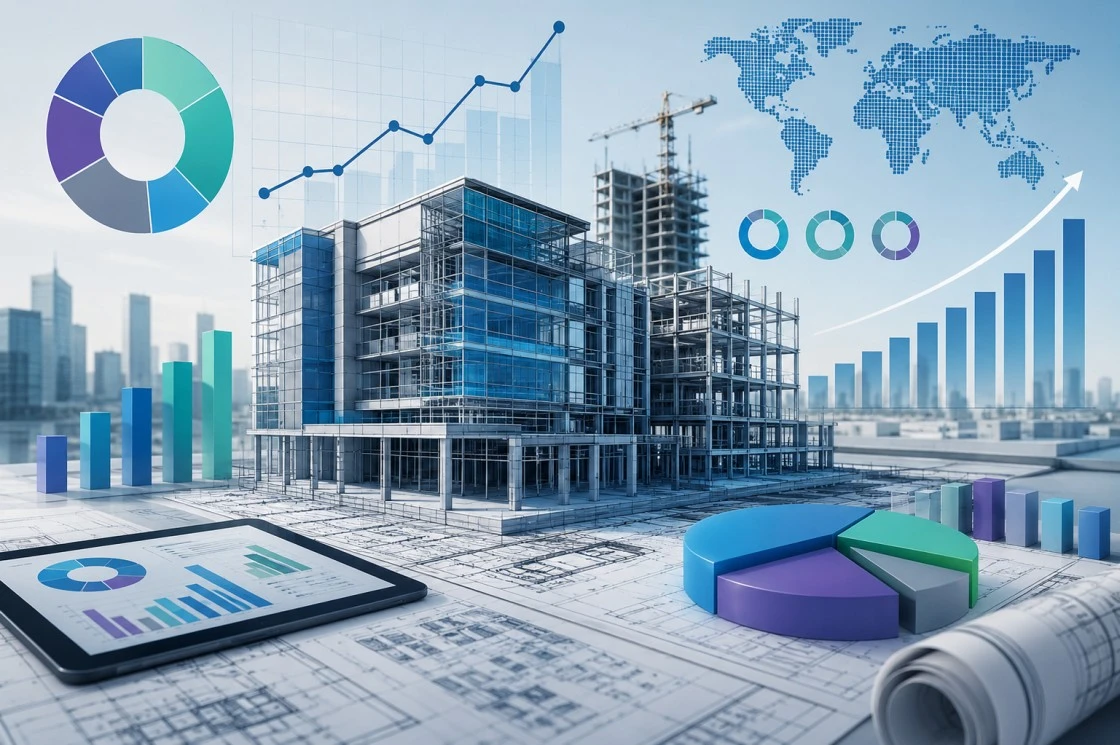
However, amidst these tumultuous times, leaders predicted and re-engineered workflow with ten key organizational shifts. As the global worth of the AEC market is projected to grow with a CAGR of 10.2%, with a value hiking from 8.9 billion USD in 2022 to 16.5 billion USD in 2030, what is the redefined landscape leading to this success? Let’s unveil.
Challenges for the AEC Industry
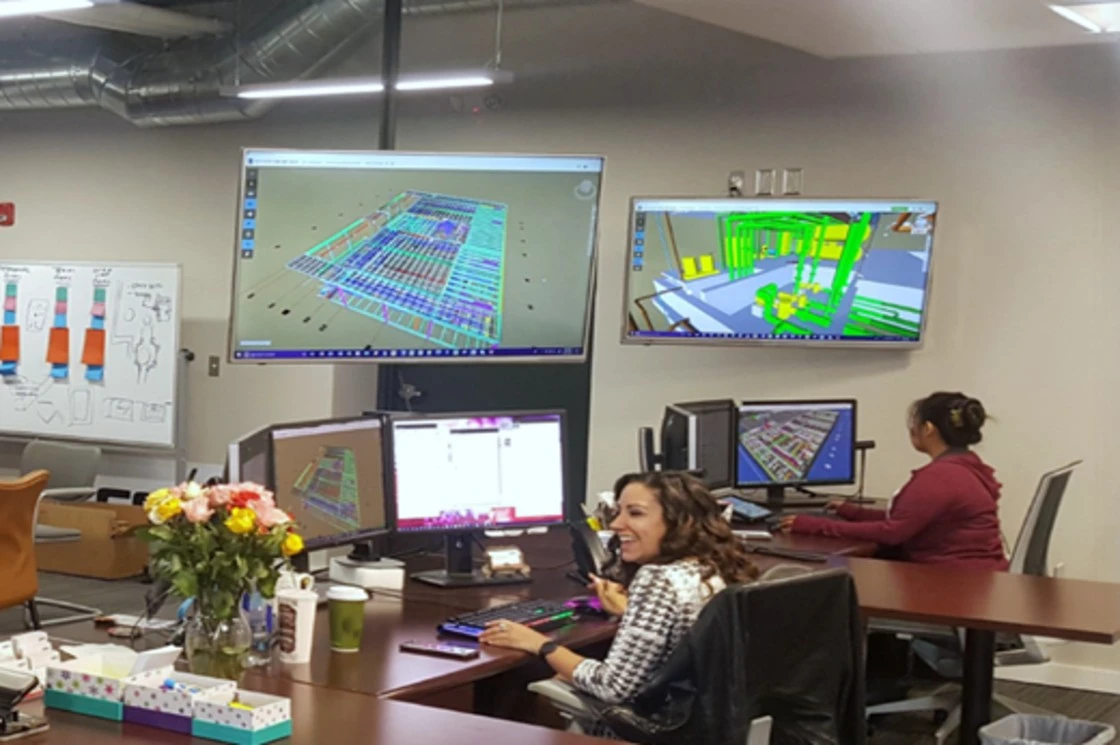
Source: AEODC
Here are a few pressing challenges faced by the AEC industry that necessitated the organizational shift.
● A Heightened Uncertainty
Skyrocketing interest rates, high inflation, and bifurcation of industrial segments led to several backlogs. The economic slowdown proved to be one of the biggest challenges for the AEC sector, leading to uncertainties for the future.
● Supply Chain Bottlenecks
Transportation constraints, along with geopolitical uncertainties, led to supply chain disruption. It resulted in a hike in material costs, restricted movements, and confined production of goods.
● The Need to Replan Workflow
One of the significant challenges faced by the AEC industry is the need for more skilled labor. There is a constant decline in labor availability owing to declining interest and better job opportunities in other sectors.
● Leveraging Emerging Technologies
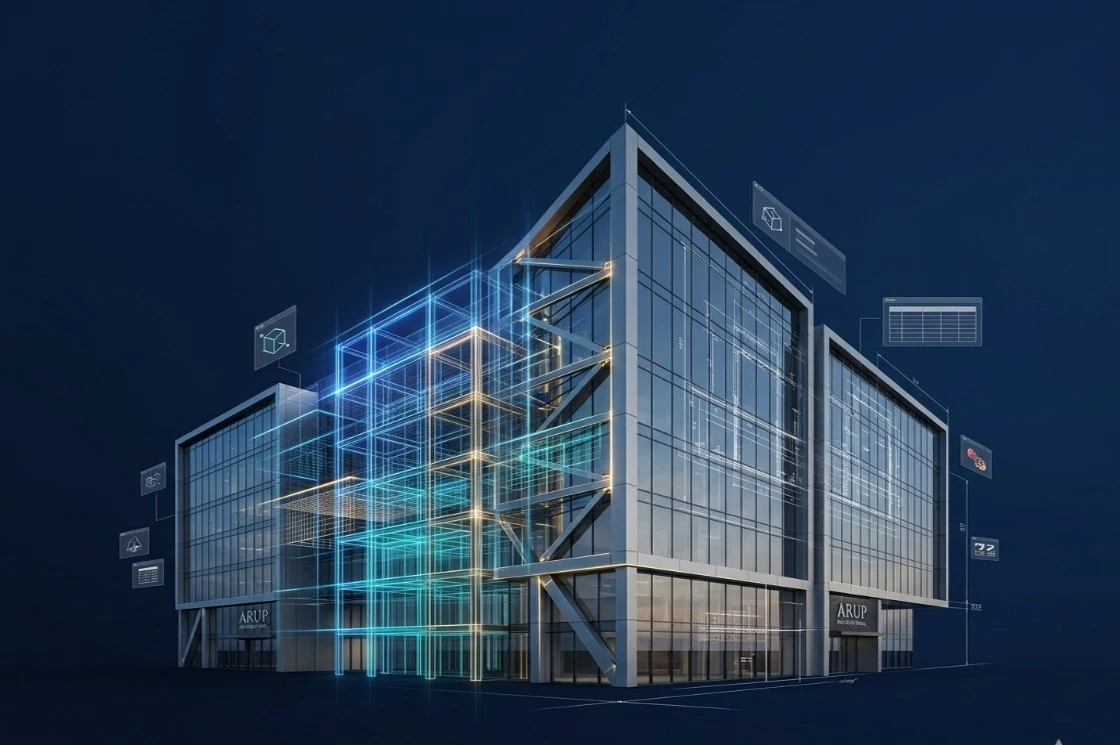
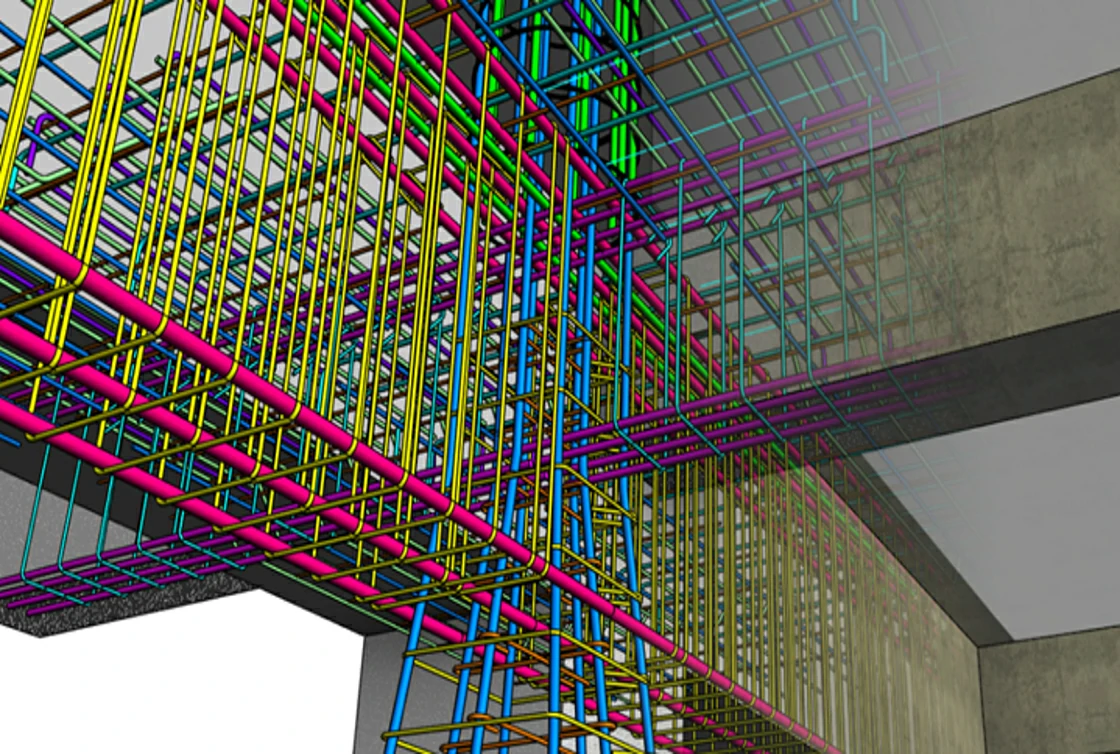
From basic 3D modeling to progressive construction simulation services, key industry players are setting a competitive edge by leveraging advanced technology. It compels AEC experts to adopt digital solutions to boost profits and stay competitive.
● Towards Greener Solutions
As the awareness of sustainability increases, consumers are becoming more eco-conscious. It puts developers under tremendous pressure to minimize the carbon footprint and adopt new-age sustainable solutions.
The Foreseen State of Organizations
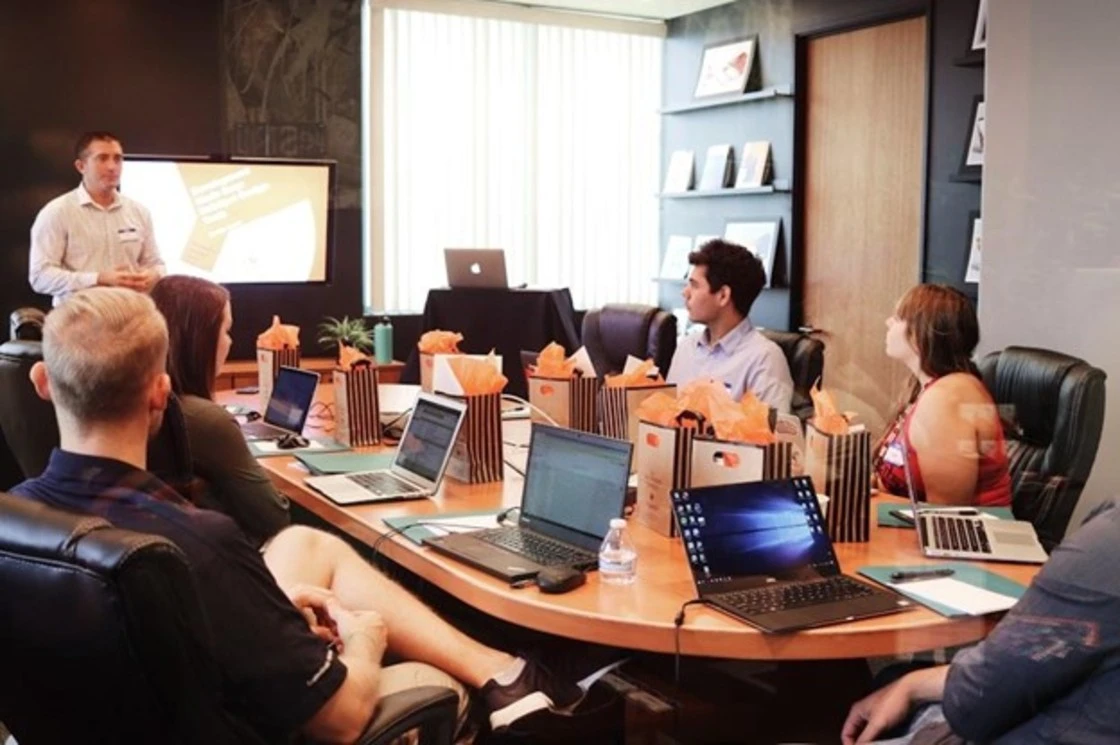
Source: Unsplash
1. Thinking Systematic to Build Resilience
For any organization, the ability to anticipate challenges is paramount. With a systematic structural arrangement, experts can build resilience to mitigate poised risks and challenges efficiently. People, processes, and structures comprise the foundation of a thoughtful business model.
2. Achieving Competitive Advantage with Technological Shift
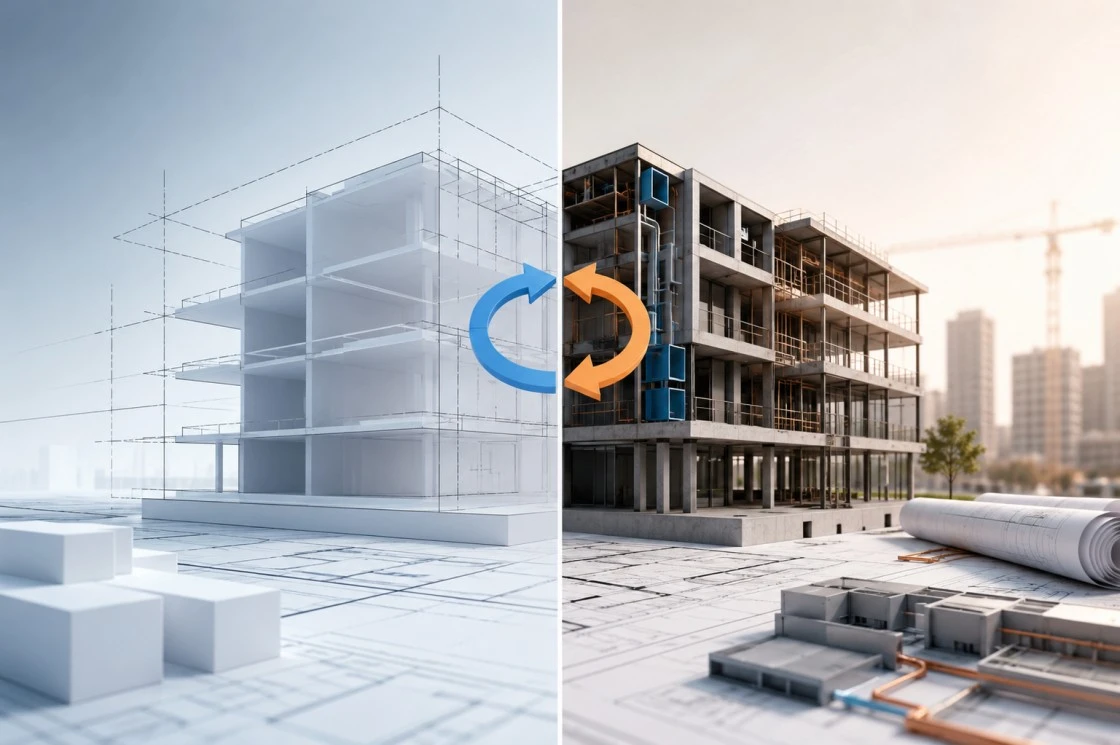
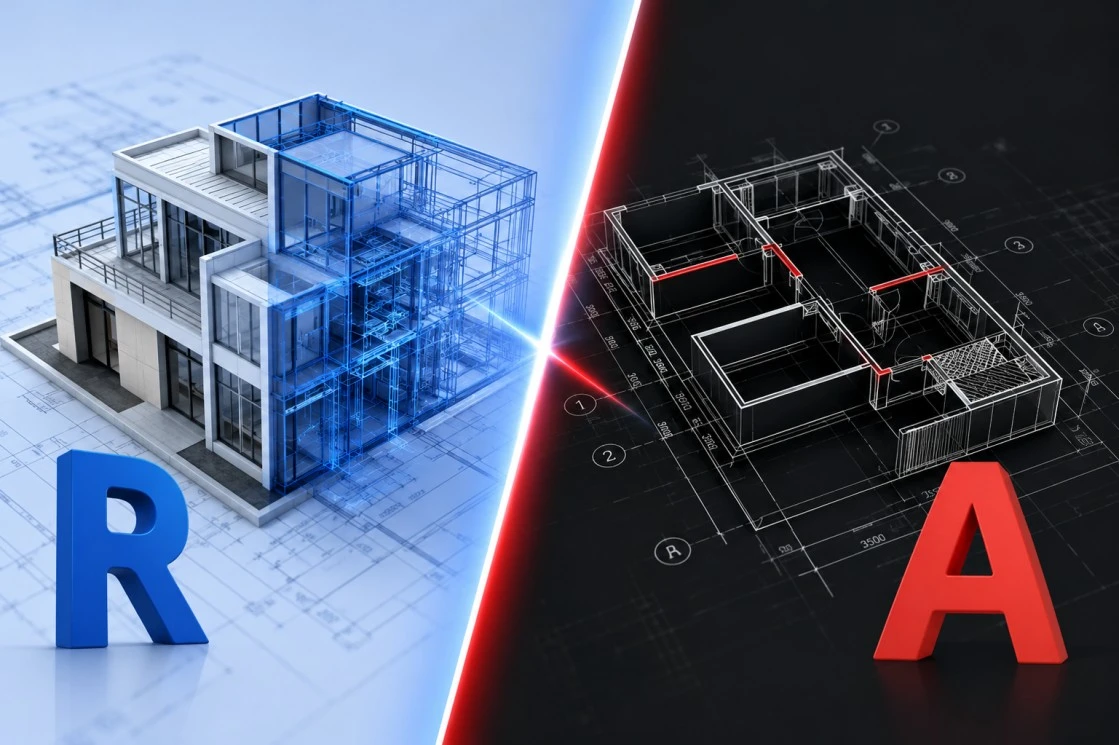
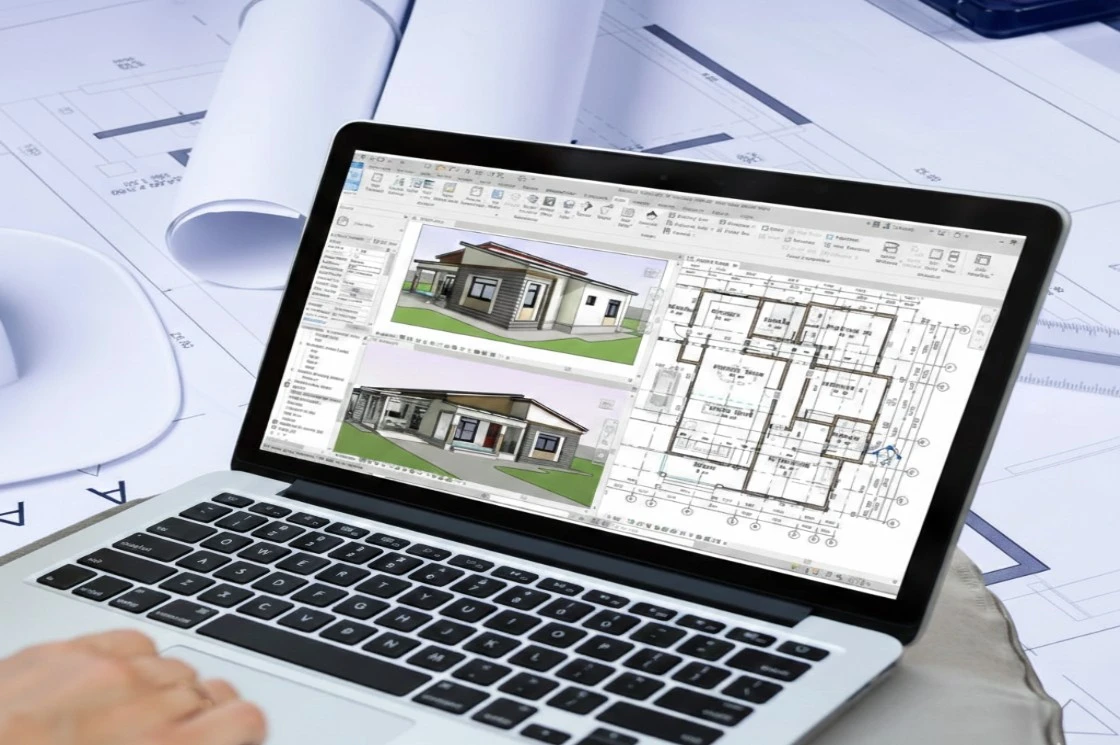
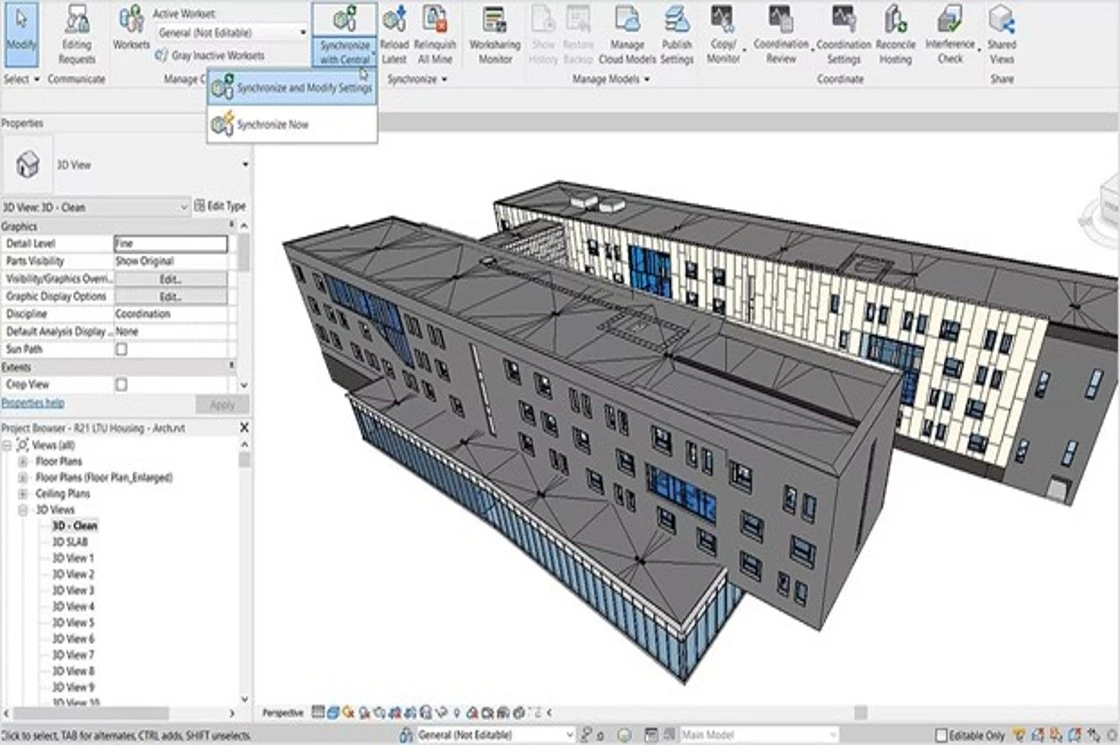
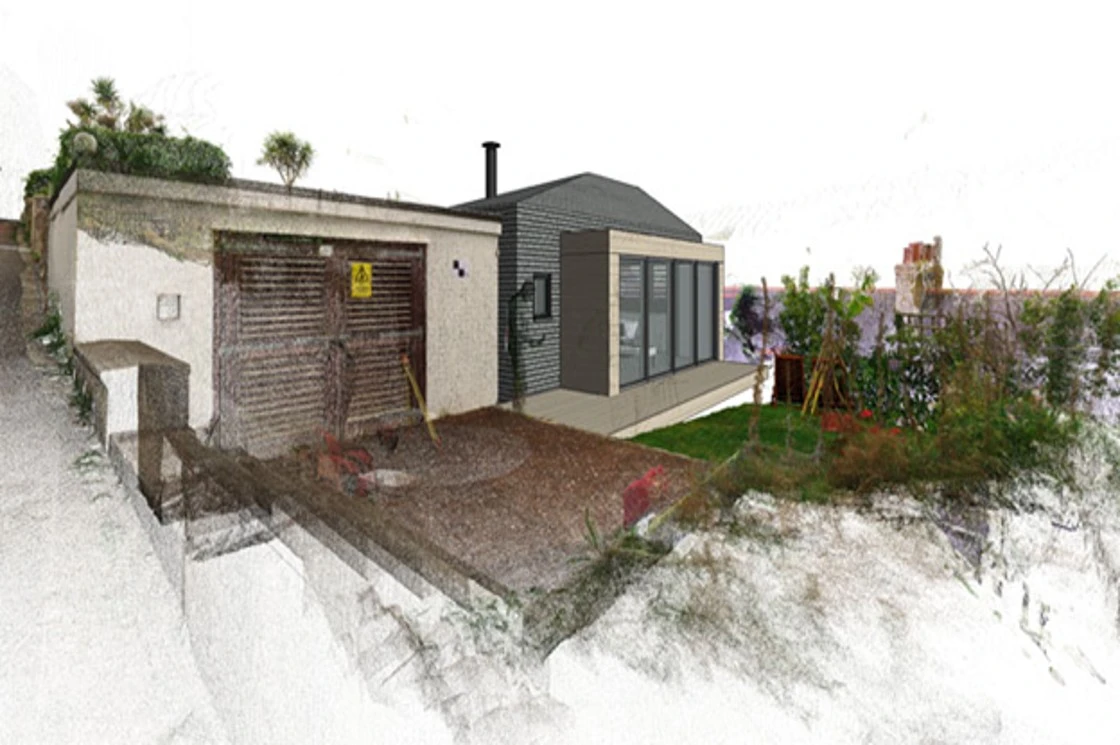
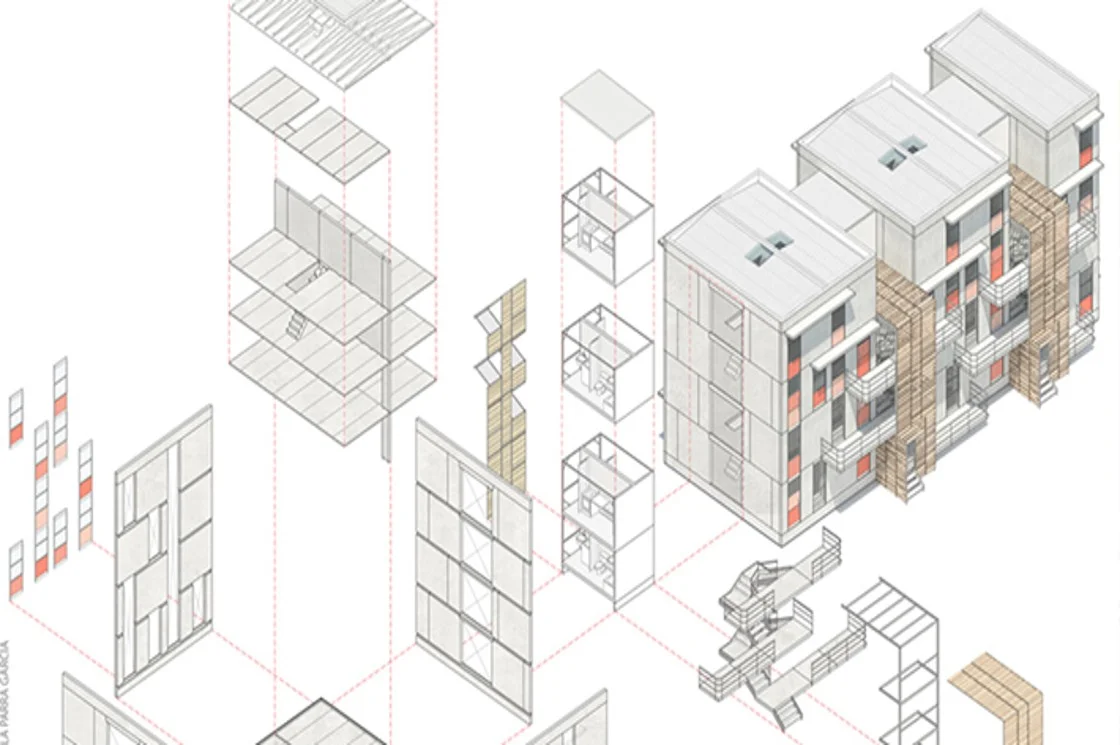
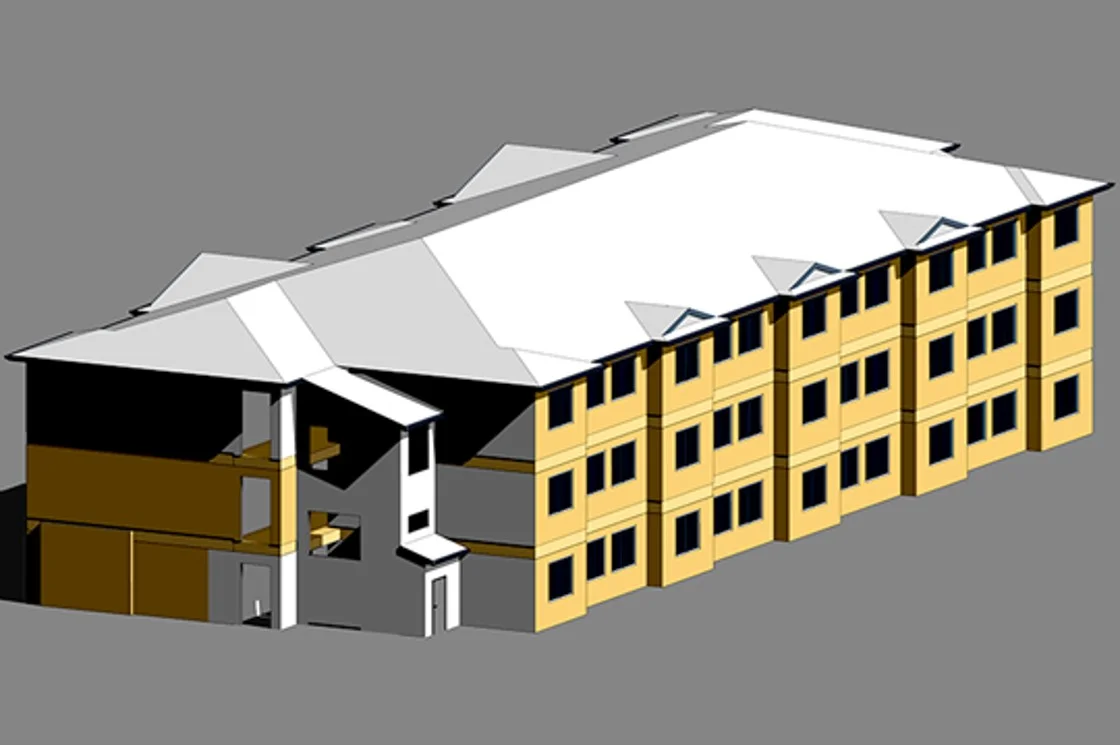
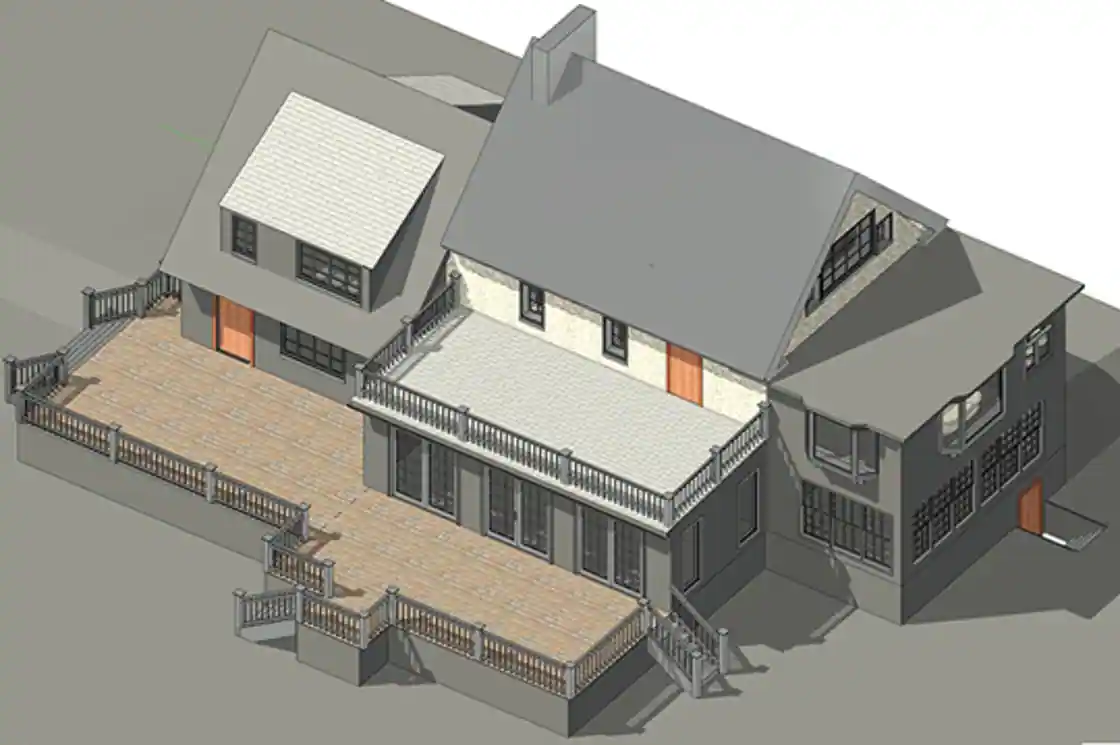
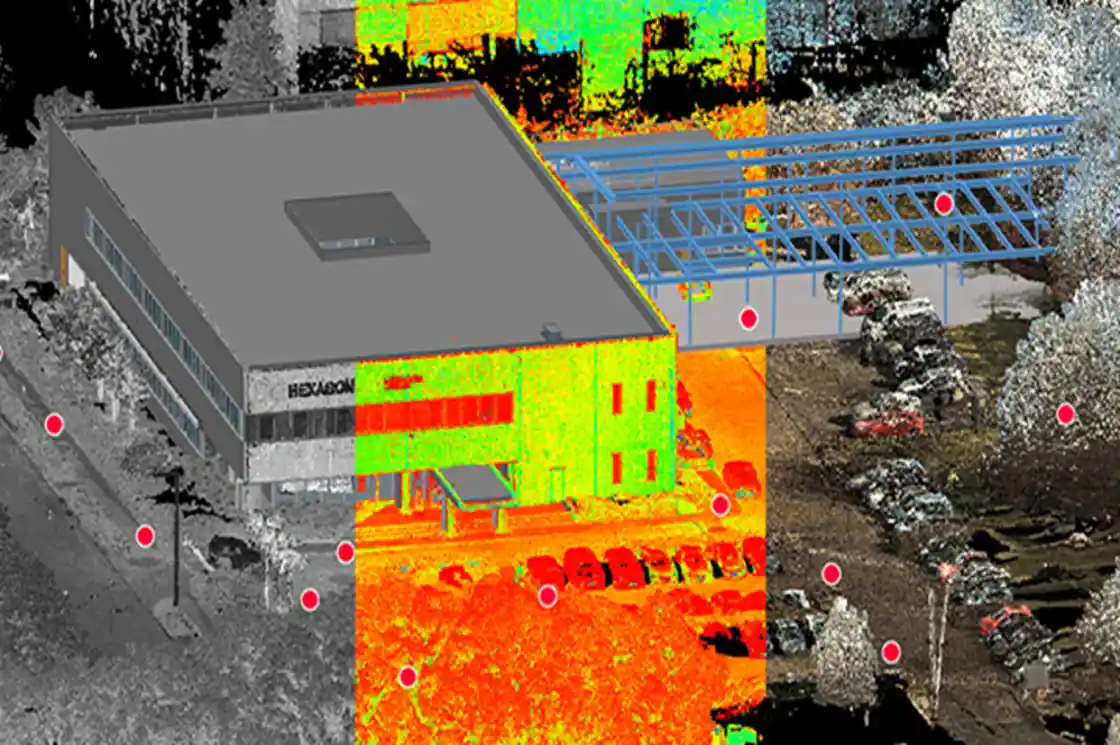
The AEC industry is no more about traditional CAD methodology. From Revit architectural modeling to Scan to BIM services, industry experts are embracing technology. Point cloud to BIM and other AI-driven analytics are helping businesses retain their competitive edge.
3. Being More Sustainability-Conscious
Gone are the days when sustainability was merely a selling keyword. Instead, in the eco-conscious world, it has become a strategic imperative for AEC professionals. And with construction simulations enabling an in-depth energy analysis, green buildings continue to gain popularity.
4. Favoring Hybrid Model
Remote working is no longer a communication challenge as the new-age technology helps establish connections. Organizations must stay prepared for hybrid models for added productivity and employee satisfaction.
5. Make Your Organization AI-Ready
AI aids in offering better prospects than being a threat! Organizations must harness its power for efficient working and streamlined processes. It helps in cutting down costs, time, and energy consumption.
6. Recruiting the Right Talent
Questioning the type of talent needed for recruiting is vital. Organizations must invest more in their leadership to assess which recruitment drive multiplies their profitability. Retaining those with the right skills and attracting those with adaptability is critical.
7. Speeding Up the Works
One can’t undermine the need for quick and efficient outcomes in this fast-paced world. Business leaders must consider investing in new-age technology that speeds up the process and generates error-free results.
8. Developing Continuous Learning in Organizations
Learning never stops! Organizations must cultivate a learning culture to ensure the team stays updated. Teams must stay informed about the industry trends and innovations that drive efficiency.
9. Fostering Experimentation and Evolution with Technology
Fostering experimentation in the AEC industry is crucial. Organizations need to come out of the conventional workflows and adapt to evolving technologies like BIM, machine learning, artificial intelligence etc.
10. A Happy Workplace
In the end, it’s people that lead to the growth of an organization. Your workplace must guarantee satisfaction for employees to stay productive and drive success.
Reshaping for AEC Resilience
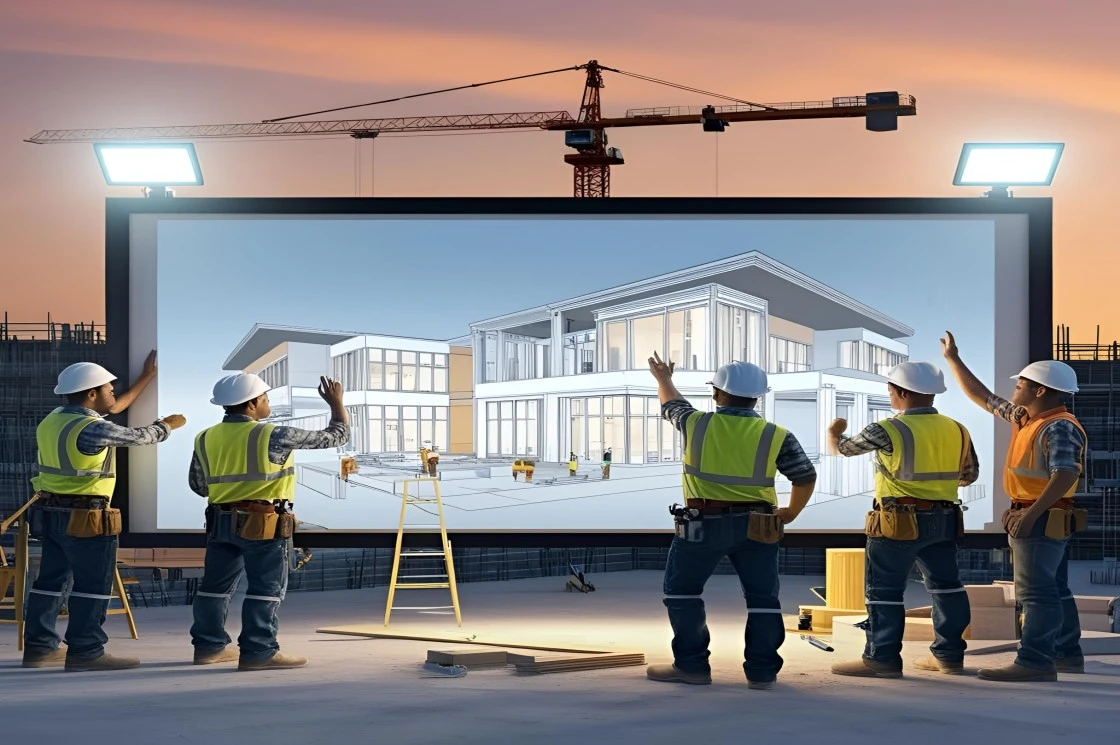
Source: Unsplash
With multiple challenges disrupting the smooth journey, embracing these transformations is the only key to success. Leverage technology, plan systematically, and prioritize sustainability to stay resilient and competitive.
Common Queries
1. What does the future of AEC organizations look like?
The future of AEC organizations is more tech-driven, adaptive, and sustainability-driven.
2. What are the new-age technologies embraced by the AEC industry?
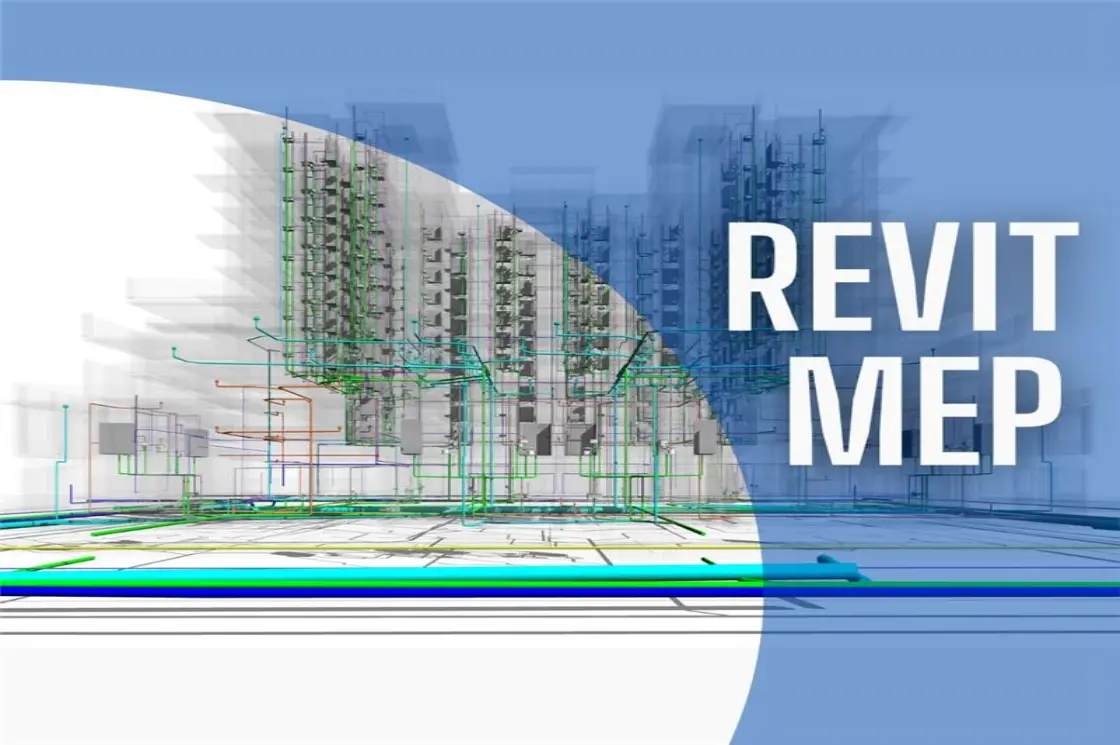
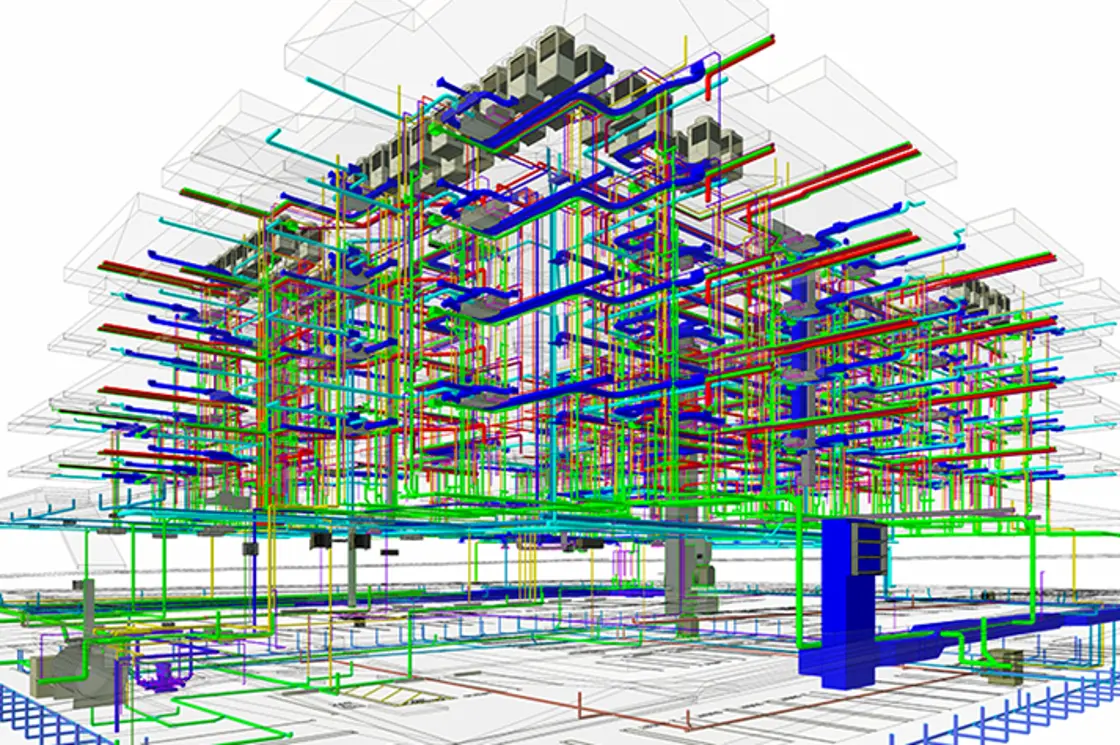
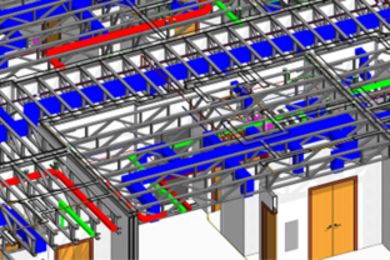
A few cutting-edge technologies adopted in AEC workflow are Point cloud to BIM services, MEP modeling services, automation, etc.
3. What are the current challenges faced by the AEC sector?
Labor shortages, inflated material costs, and supply chain bottlenecks are a few of the primary challenges in the AEC industry.
4. What is the current growth rate of the AEC market?
Technological innovations and organization shifts predict growth in the AEC market with a 10.2% CAGR.
5. What are the best AEC tools?
The top AEC tools are AR, VR, construction simulation, BIM, etc.