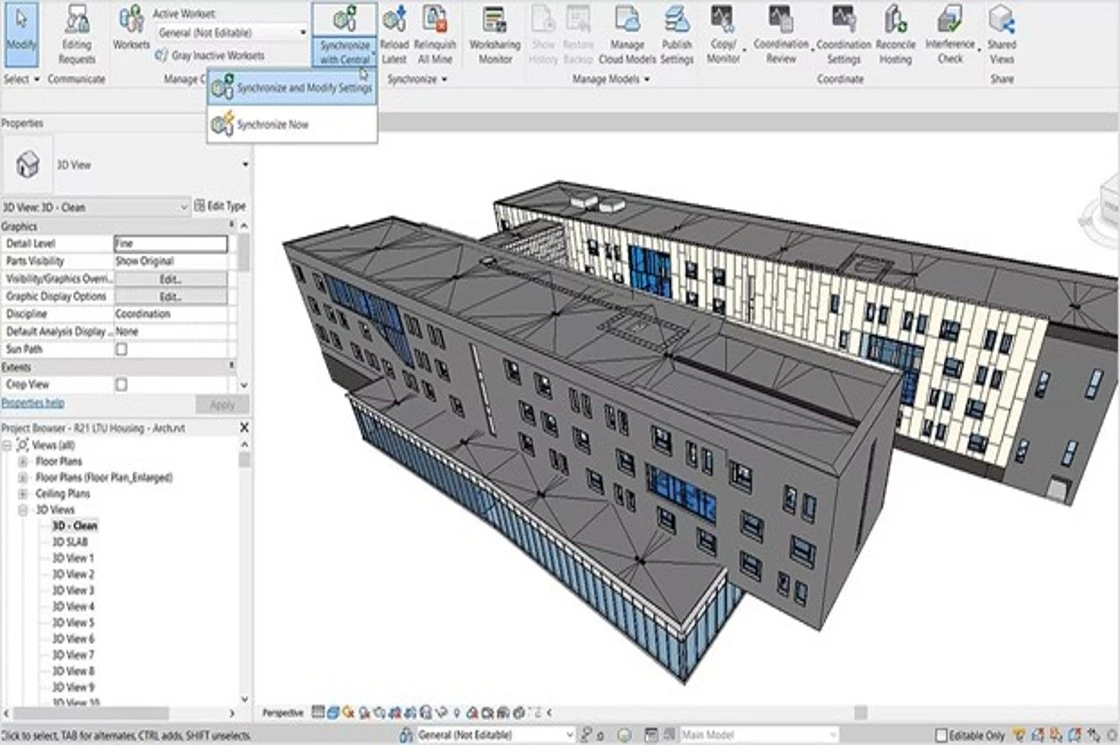
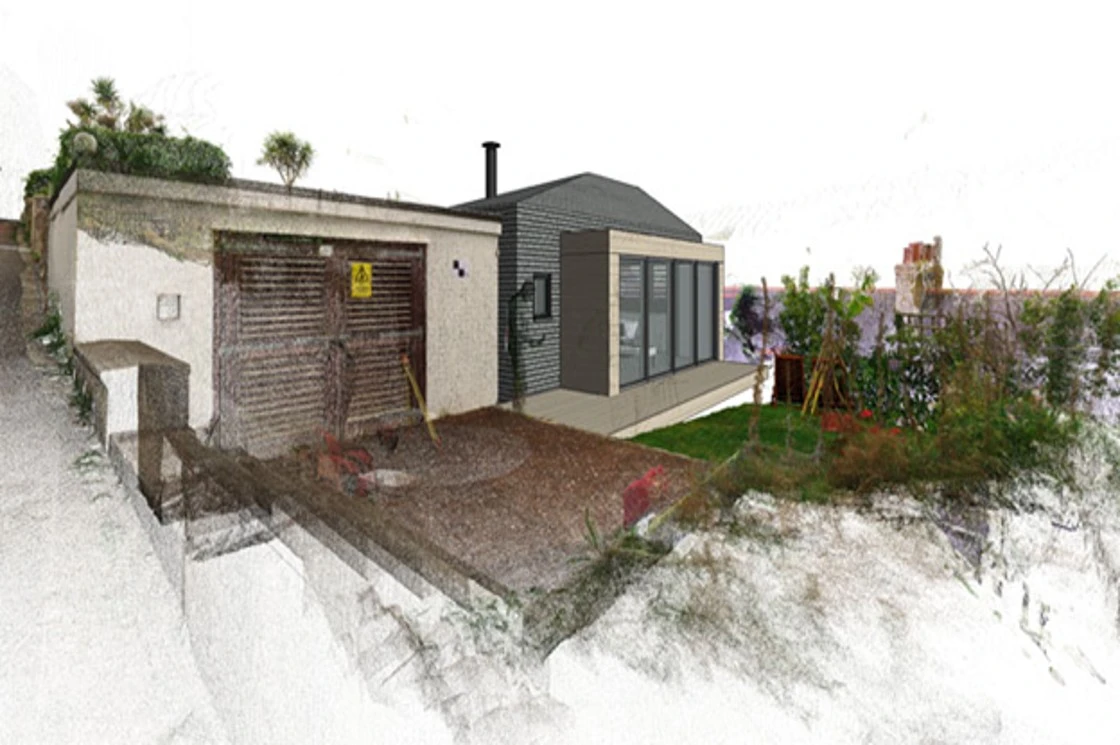
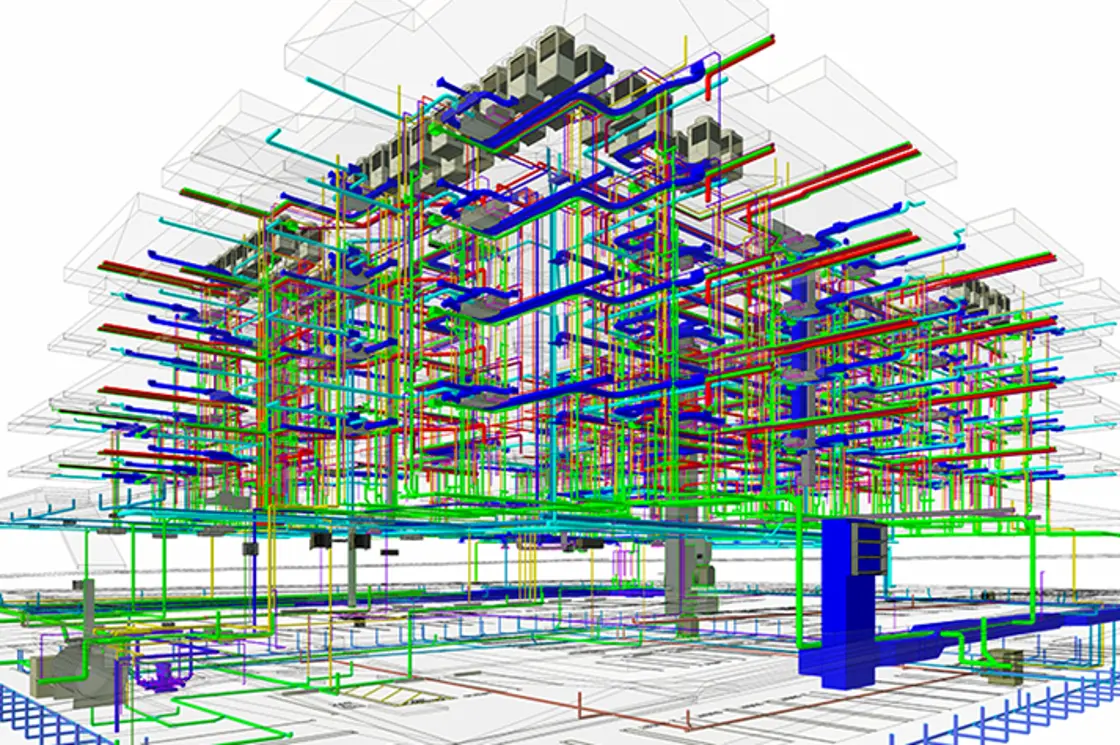
Building Information Modeling (BIM) is much more than creating 3D models. A successful BIM project depends on both graphical accuracy and reliable project data. Two terms that are often misunderstood are Level of Development (LOD) and Level of Information (LOI). Although they work together, they represent different aspects of a BIM model.
Understanding their distinction helps project teams deliver models that meet design, construction, and facility management requirements while complying with ISO 19650 and client BIM execution plans.
What is Level of Development (LOD)?
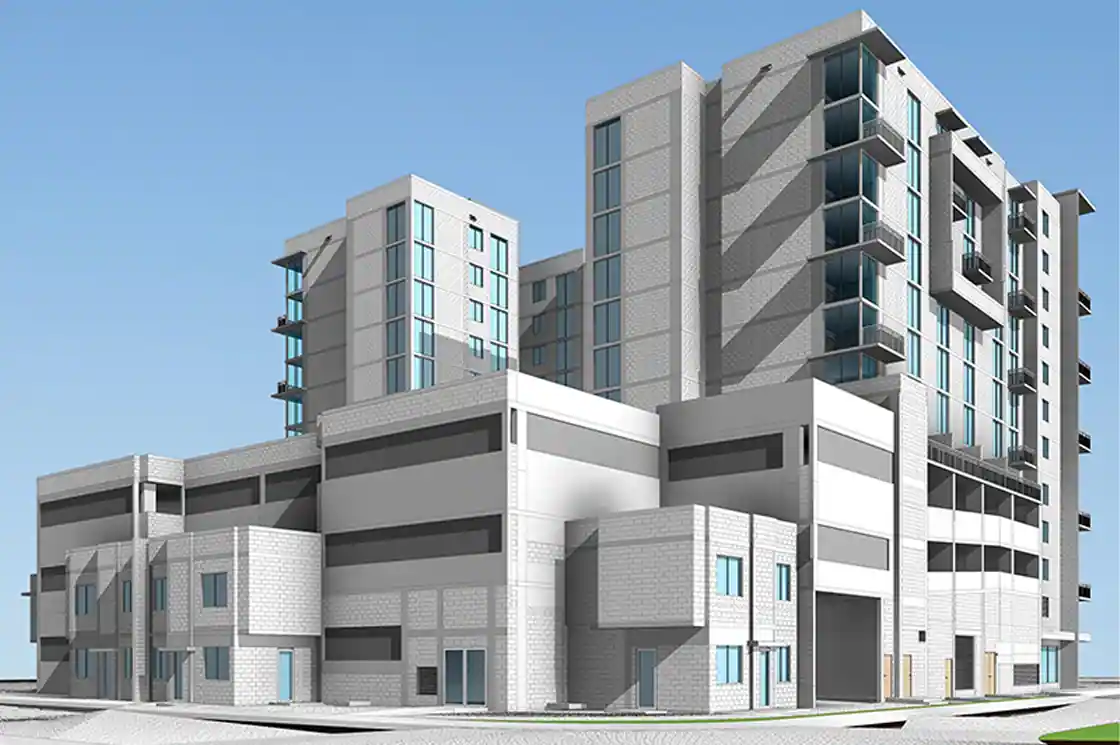
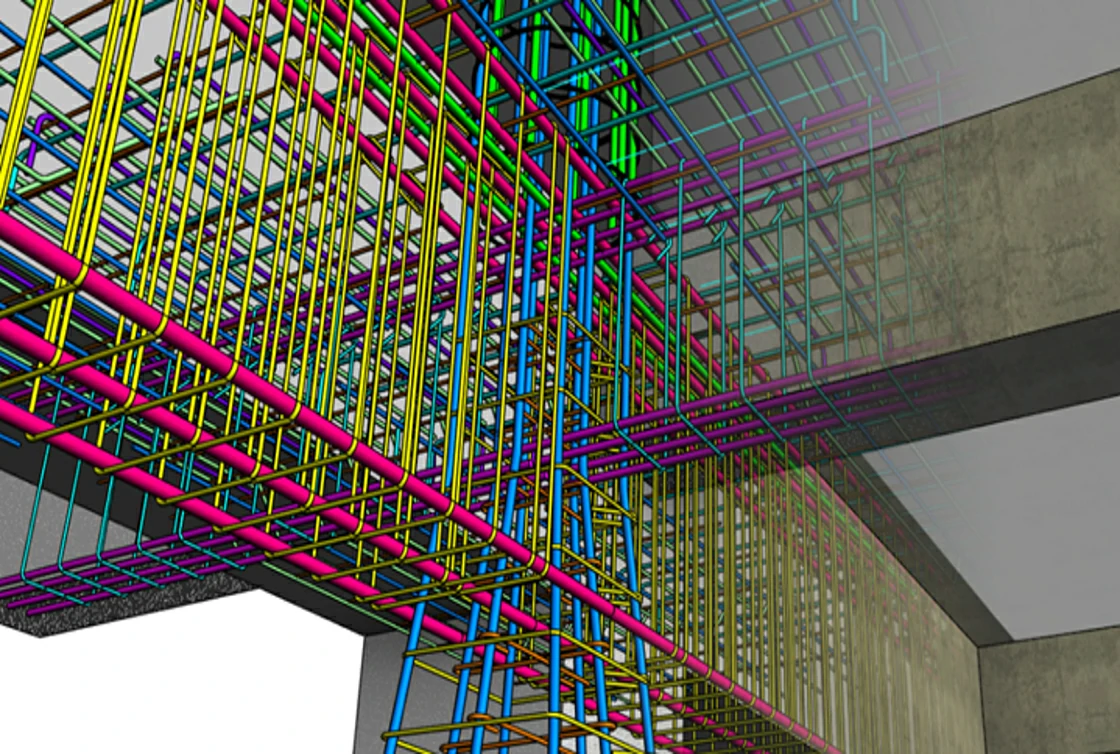
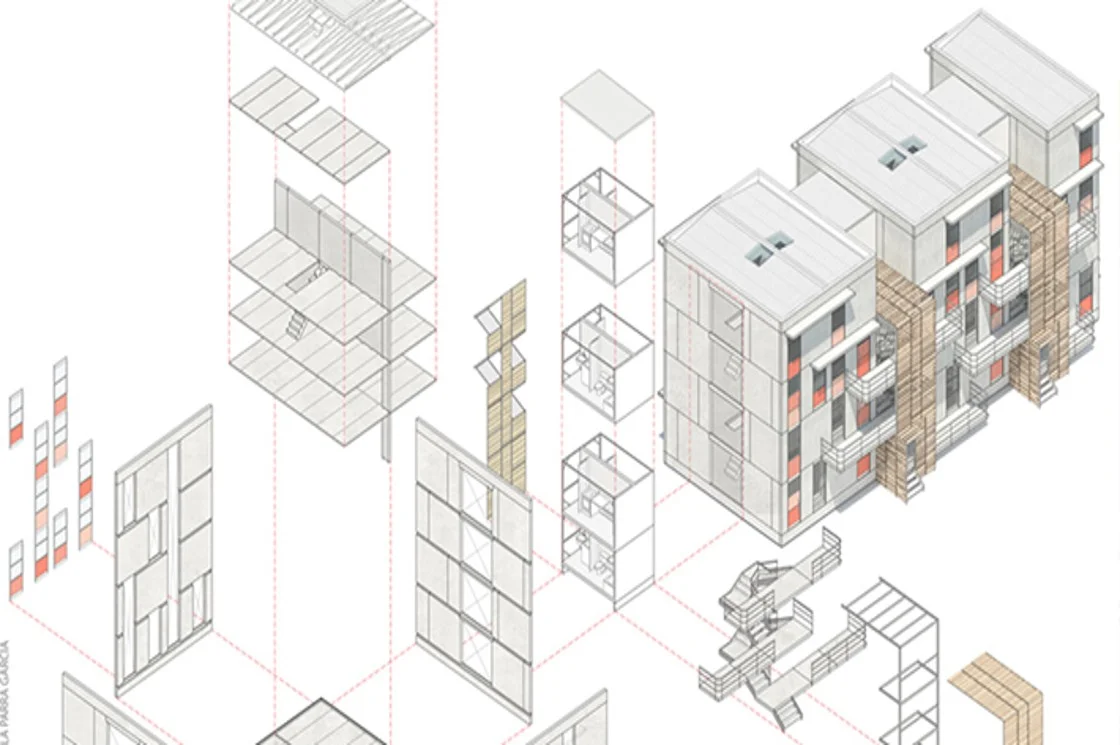
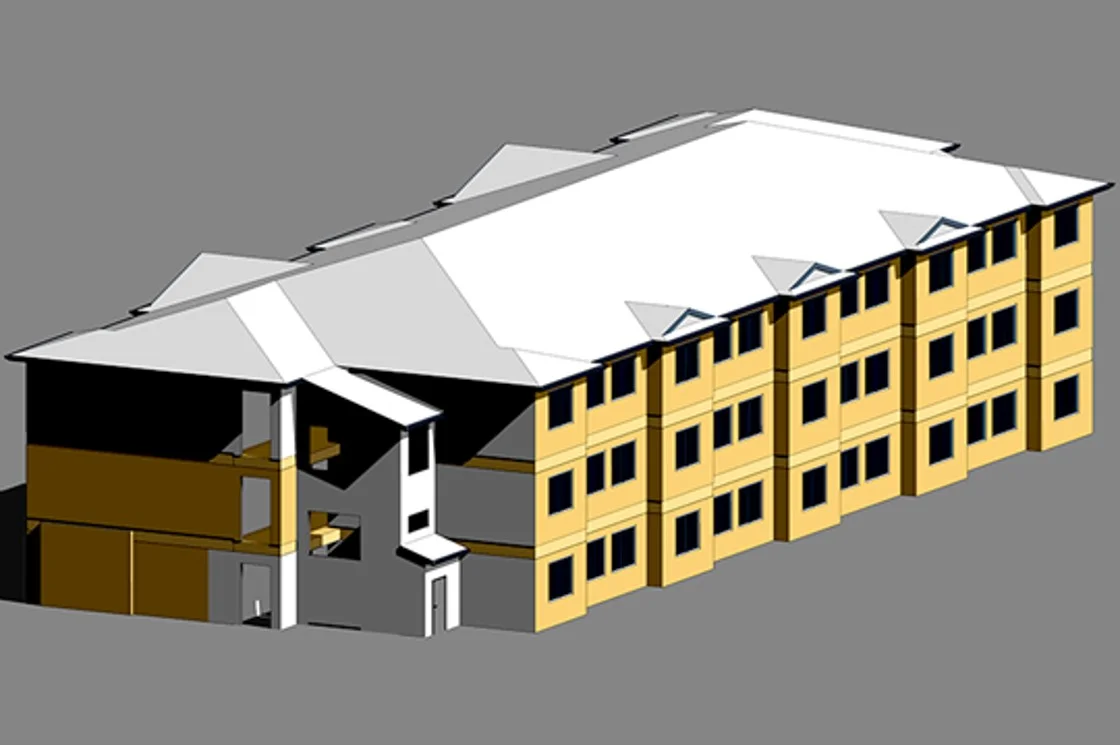
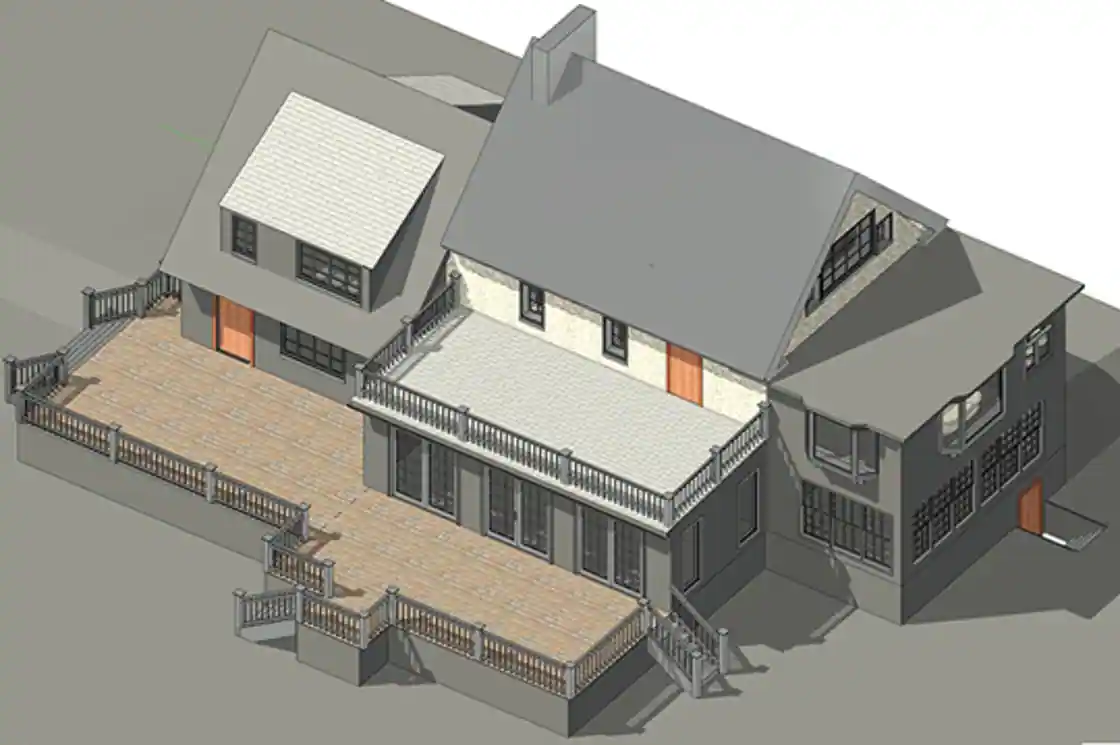
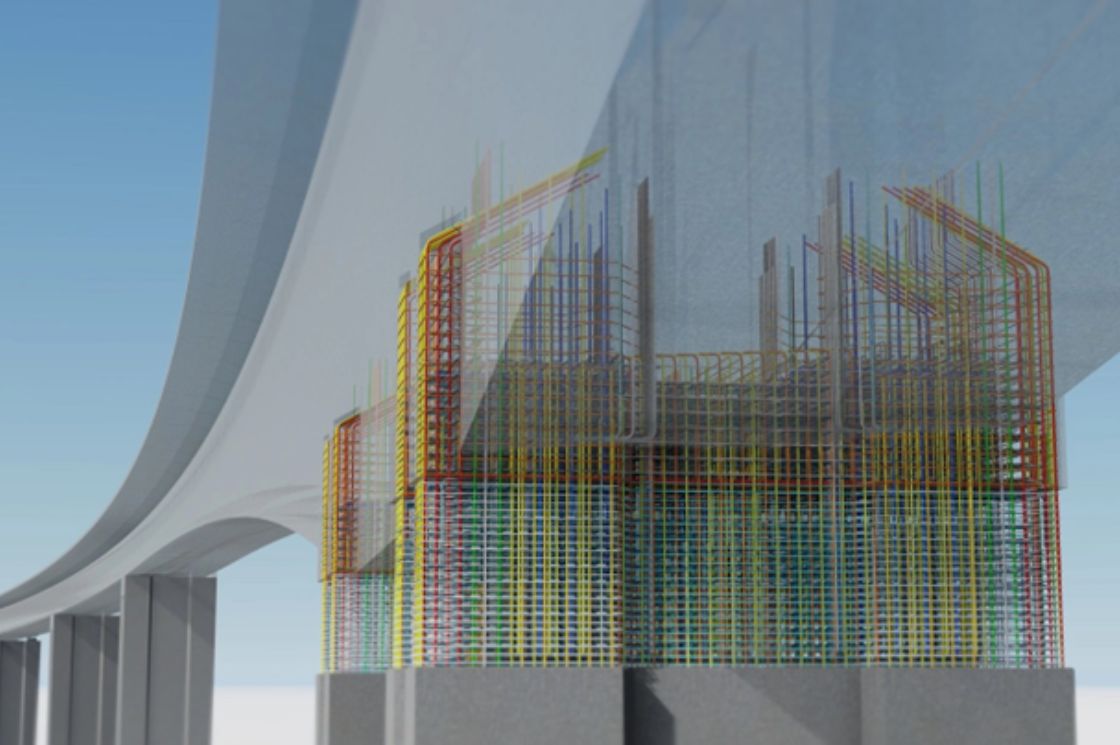
Level of Development (LOD) defines the graphical maturity of BIM elements. It specifies how accurately an object is modeled in terms of geometry, dimensions, location, orientation, and physical representation.
Typical LOD stages include:
LOD 100 – Conceptual Massing
LOD 200 – Approximate Geometry
LOD 300 – Accurate Design Geometry
LOD 350 – Coordination Level
LOD 400 – Fabrication C Installation
LOD 500 – As-Built Model
LOD ensures that every stakeholder understands the reliability of the model geometry at different project phases.
What is Level of Information (LOI)?
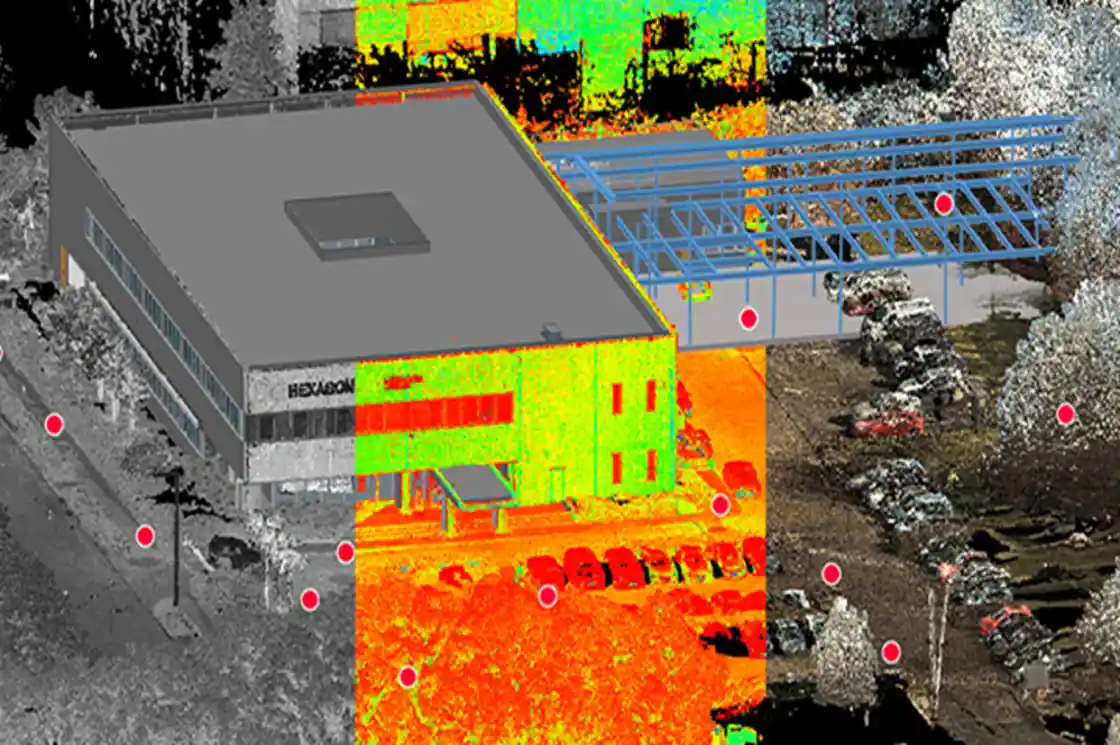
Level of Information (LOI) focuses on the non-graphical data attached to BIM objects. Instead of geometry, LOI defines the metadata required for design, procurement, construction, operation, and maintenance.
Typical LOI parameters include:
Manufacturer
Product Code
Material Specification
Fire Rating
Warranty Details
Installation Date
Asset ID
Maintenance Schedule
Cost Information
COBie Parameters
LOI transforms a BIM model into an intelligent digital asset rather than just a visual representation.
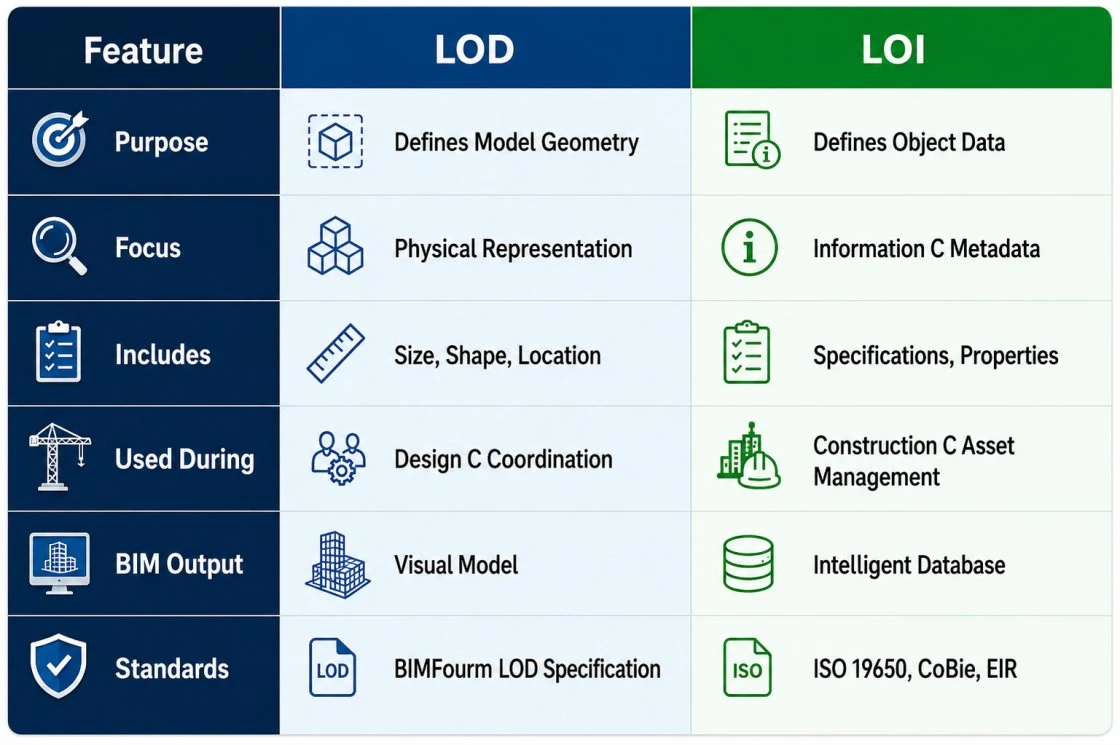
LOD vs LOI: Technical Comparison
Source: AEODC
Why LOD and LOI Must Work Together
Many BIM teams focus only on increasing model detail while neglecting information quality. However, a highly detailed model with incomplete metadata has limited value during facility management.
For example, a mechanical air handling unit may be modeled accurately at LOD 400, but if it lacks manufacturer details, maintenance intervals, warranty information, and asset identifiers, it cannot support digital facility management or digital twin applications.
Balancing both geometry and information ensures that BIM delivers value throughout the building lifecycle.
Benefits of Proper LOD and LOI Planning
A well-defined LOD and LOI strategy provides several advantages:
Improved interdisciplinary coordination
Reduced design conflicts
Better construction planning
Accurate quantity takeoffs
Faster procurement workflows
Reliable asset management
Enhanced BIM compliance
Long-term digital facility operations
Conclusion
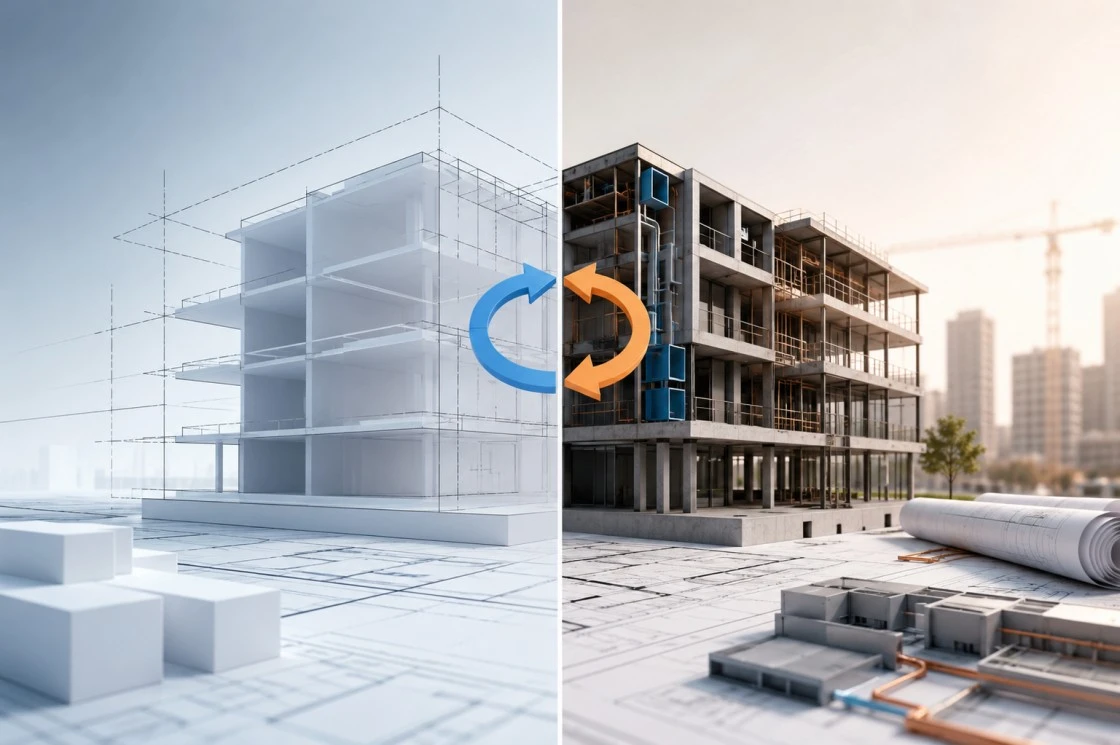
LOD and LOI are complementary components of an effective BIM workflow. LOD determines how a model looks, while LOI determines what the model knows. Organizations implementing BIM according to ISO 19650 should define both graphical and information requirements within the Employer’s Information Requirements (EIR) and BIM Execution Plan (BEP). By balancing geometry with intelligent data, project teams can create BIM models that support design, construction, operation, and future digital transformation initiatives.
FAQs
What is LOD in BIM?
LOD (Level of Development) defines the graphical detail and accuracy of BIM model elements.
What is LOI in BIM?
LOI (Level of Information) defines the non-graphical data and metadata attached to BIM elements.
Why are LOD and LOI important?
They improve BIM accuracy, coordination, construction, and facility management.
Can a BIM model have high LOD but low LOI?
Yes. Detailed geometry without complete information reduces the model’s value.
Do LOD and LOI support ISO 19650?
Yes. They help meet ISO 19650 information management requirements for BIM projects.