In the world of construction and engineering things do not always go as planned. The truth is, the outcome is usually decided long before the actual building starts. Companies that focus on planning and use tools to help them do it better tend to do a lot better than those that just stick to traditional ways of working. This is because when you plan carefully you can avoid problems that might come up.
Today being able to anticipate and solve problems before they happen is what sets companies apart from their competitors. With the help of technology planning is no longer just something you have to do, it is a key part of how you succeed.
Intelligence Before Groundbreaking
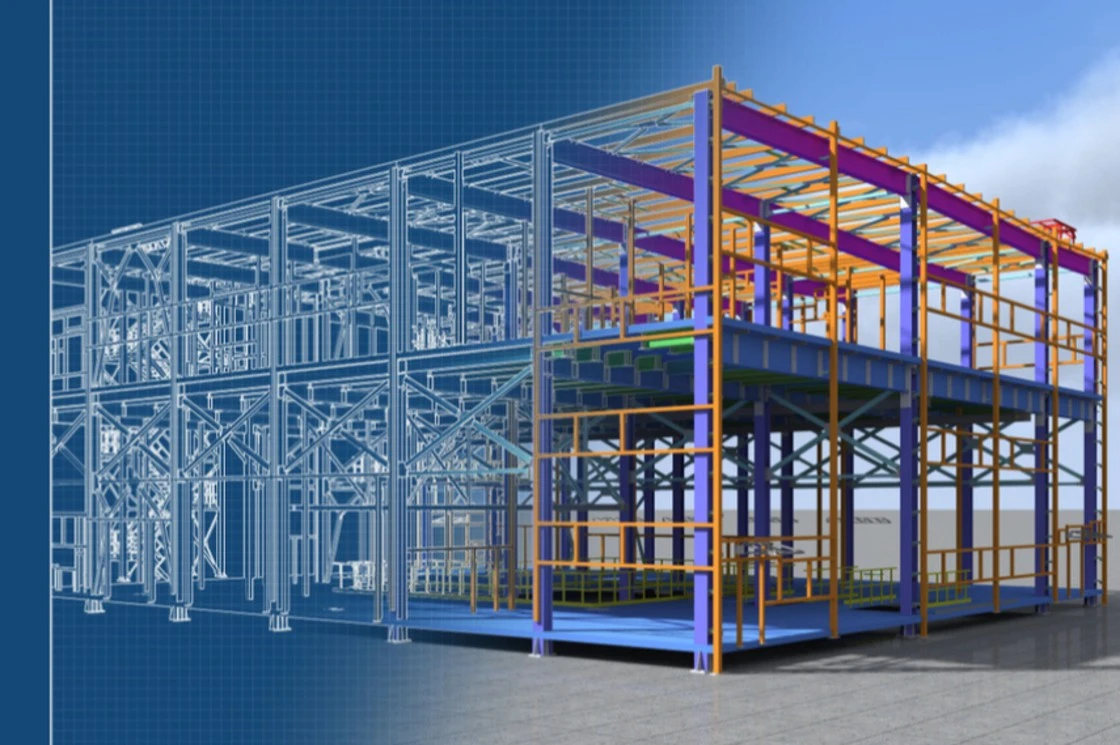
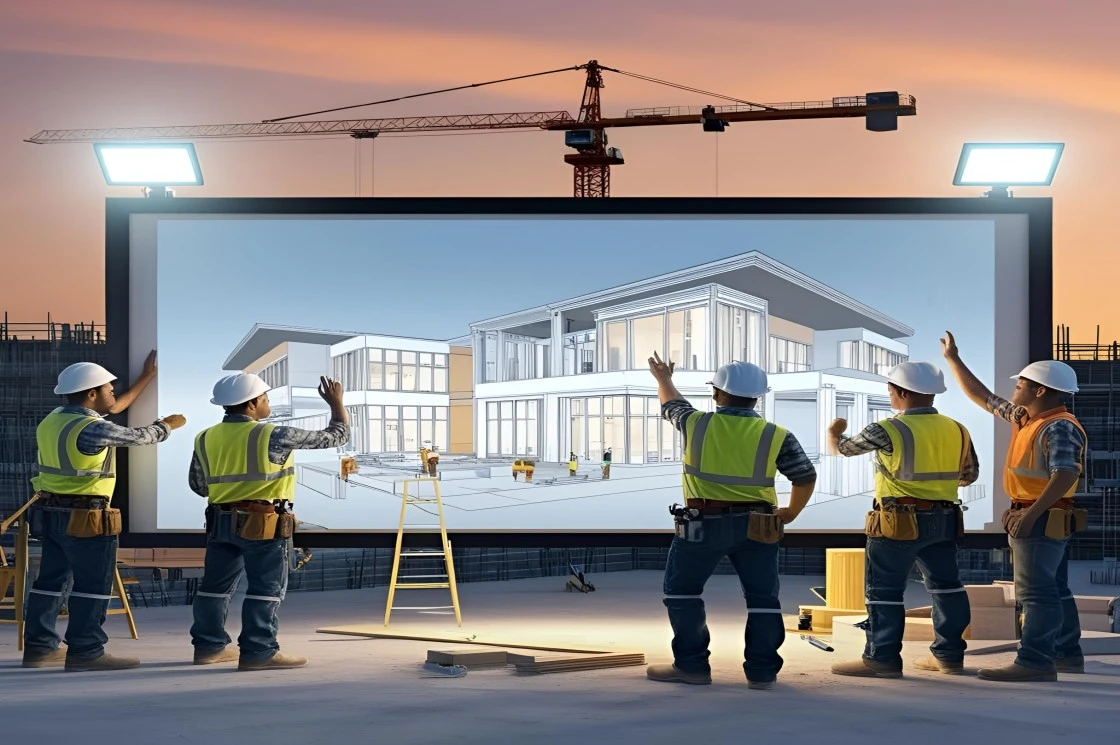
In the past construction projects often ran into problems that were only fixed when workers were already on site. This usually led to delays, extra costs and lower quality work. Now companies are using new ways of working that help them predict and solve problems before they even start building.
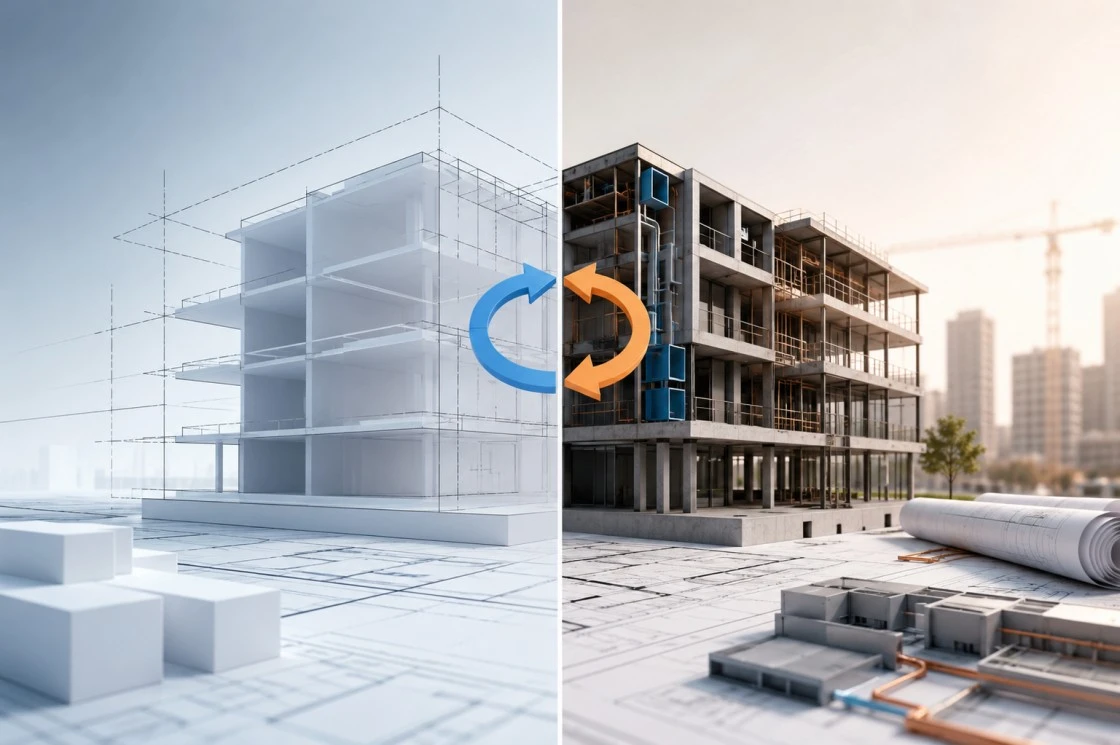
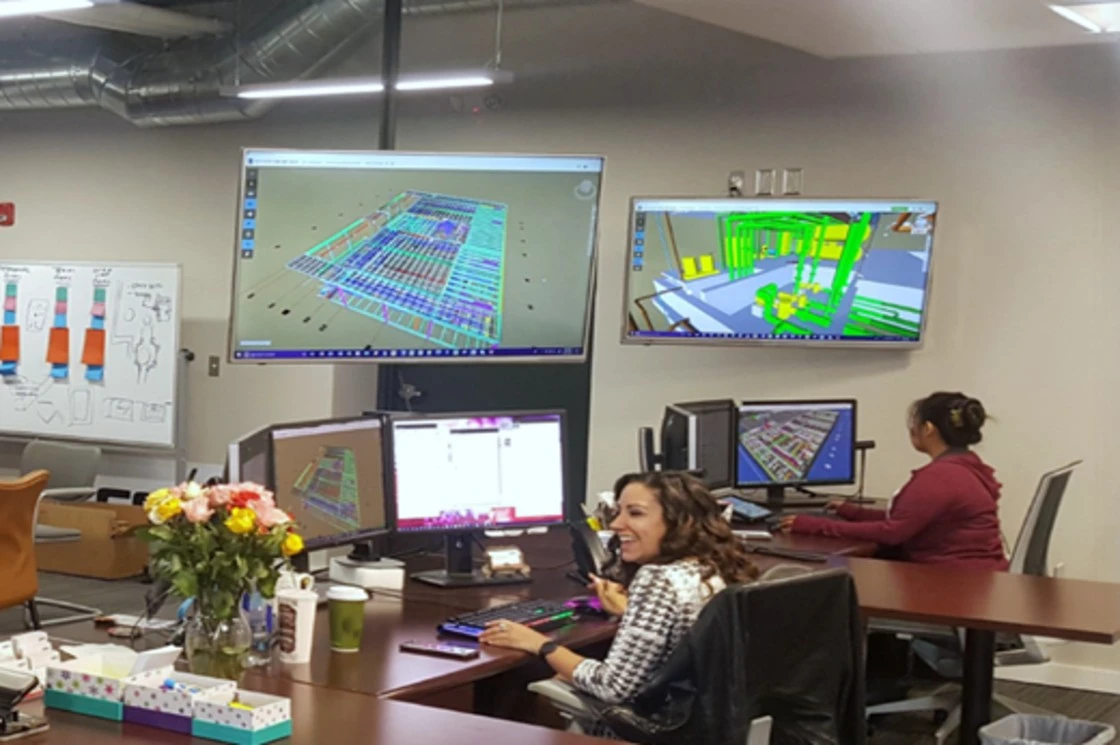
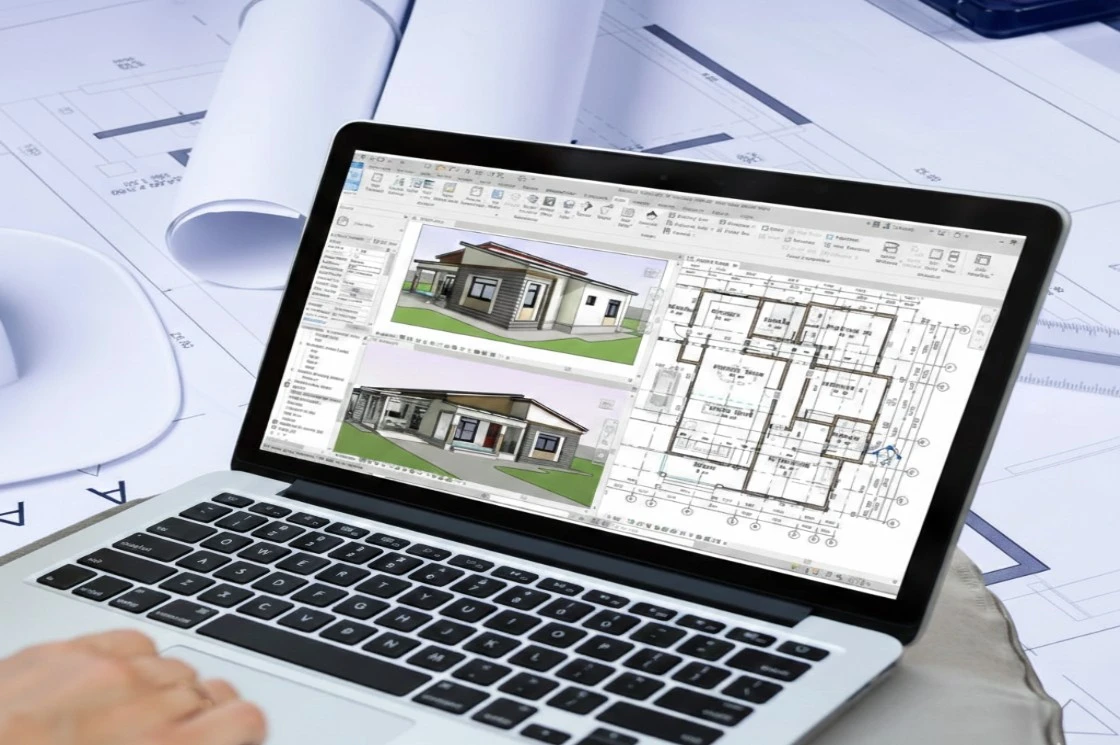
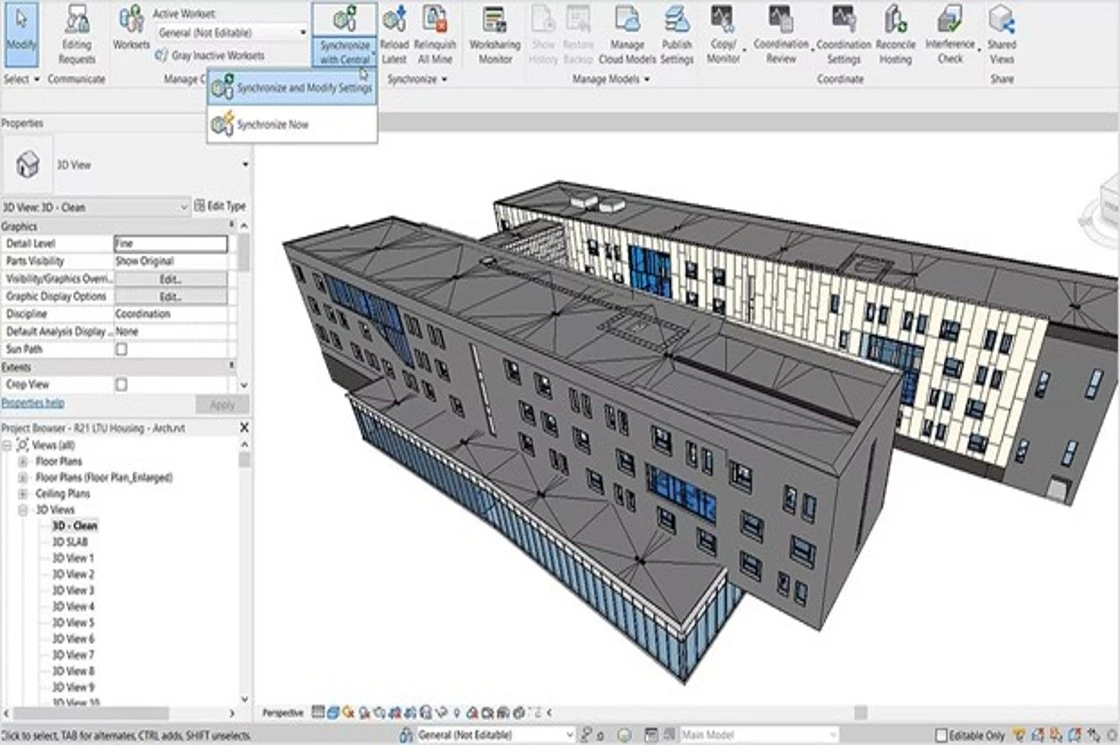
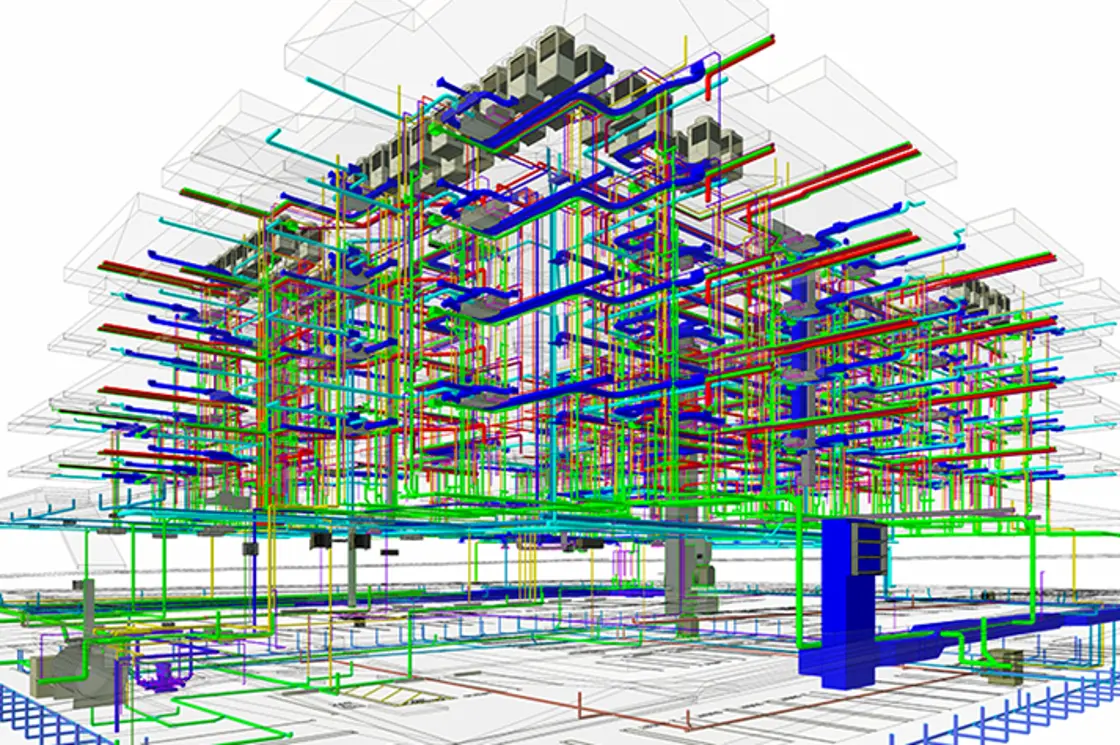
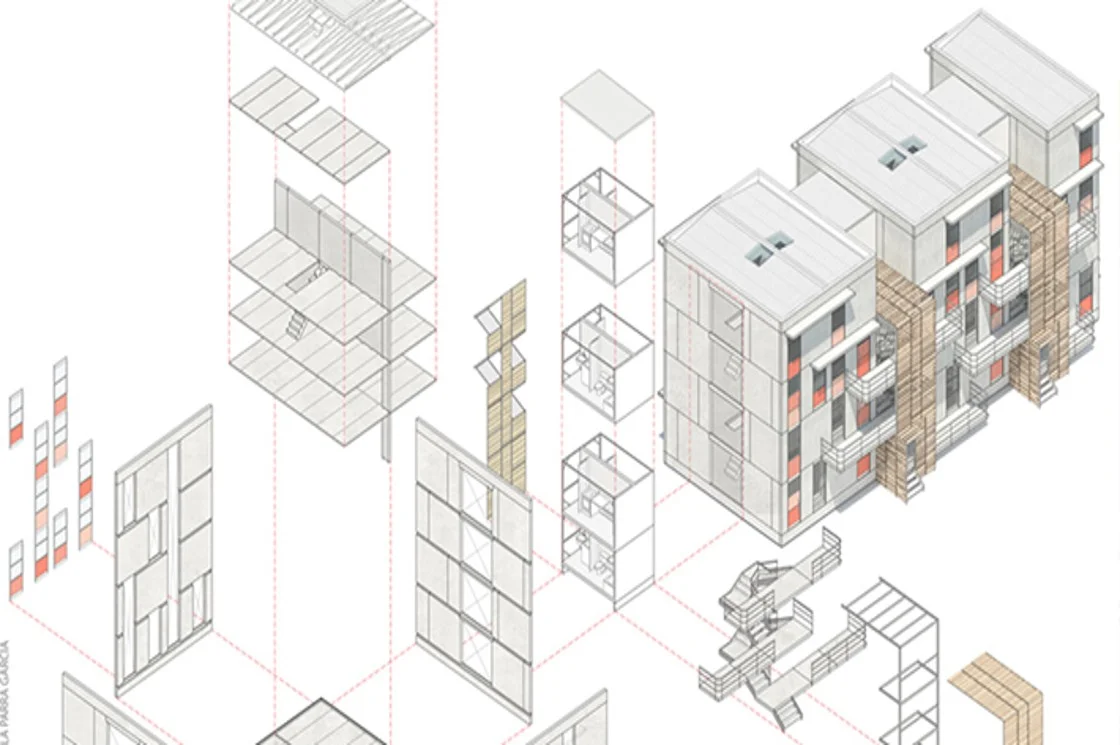
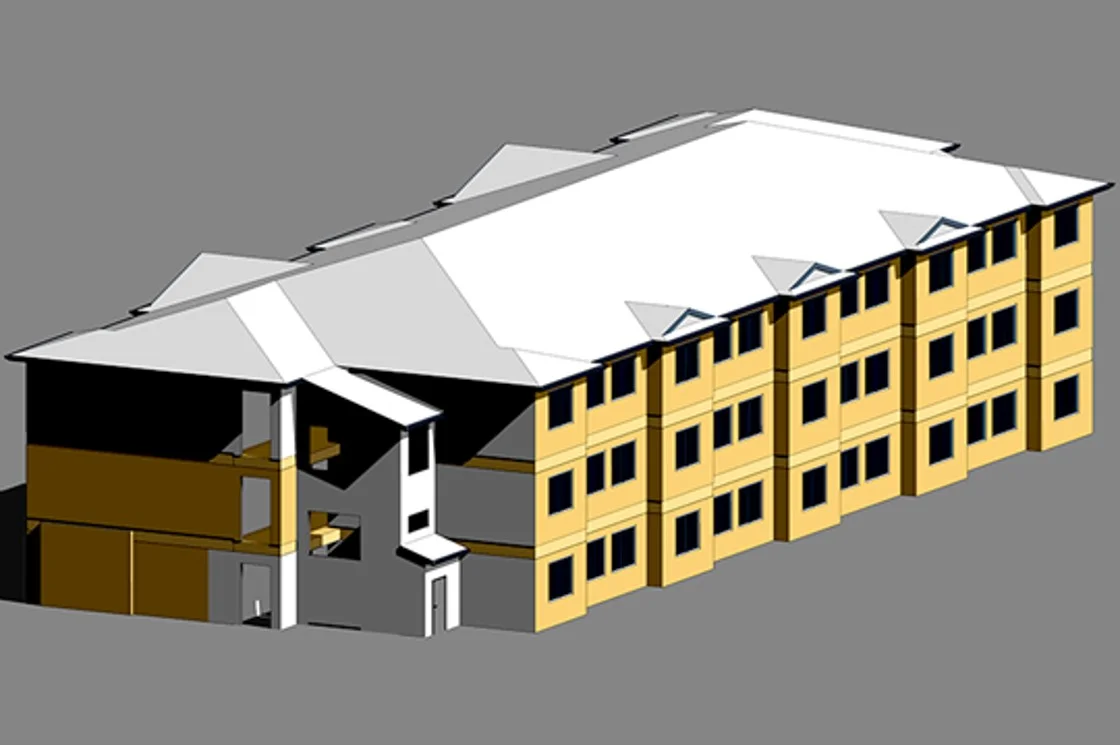
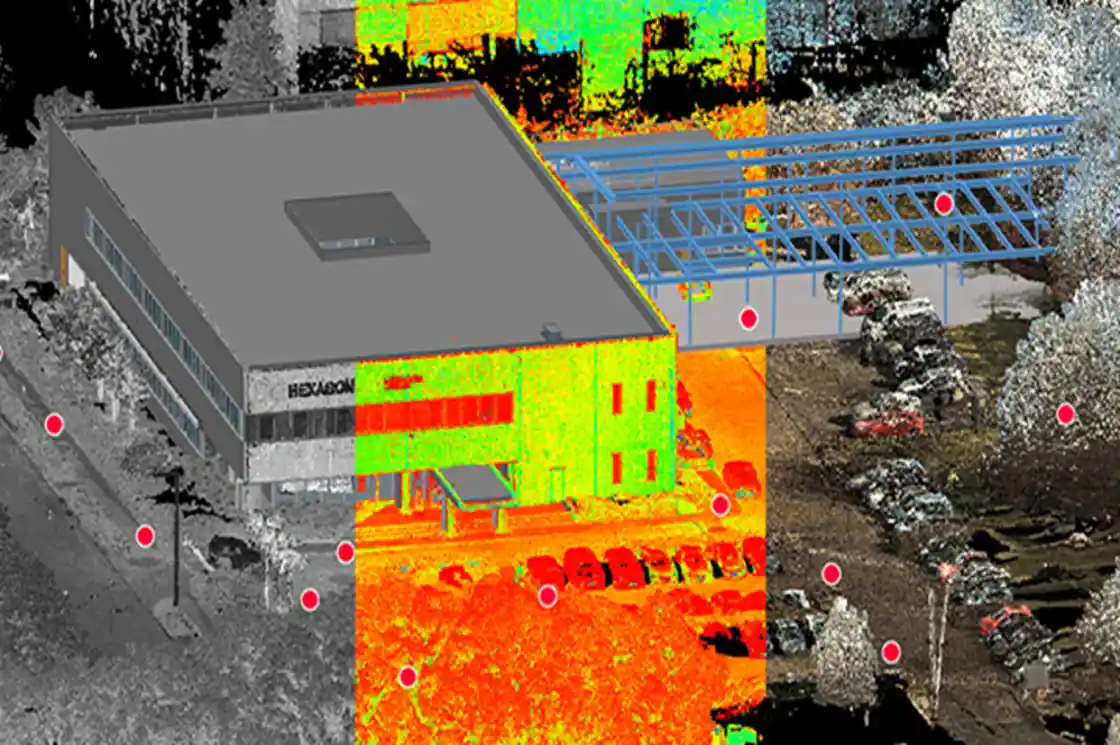
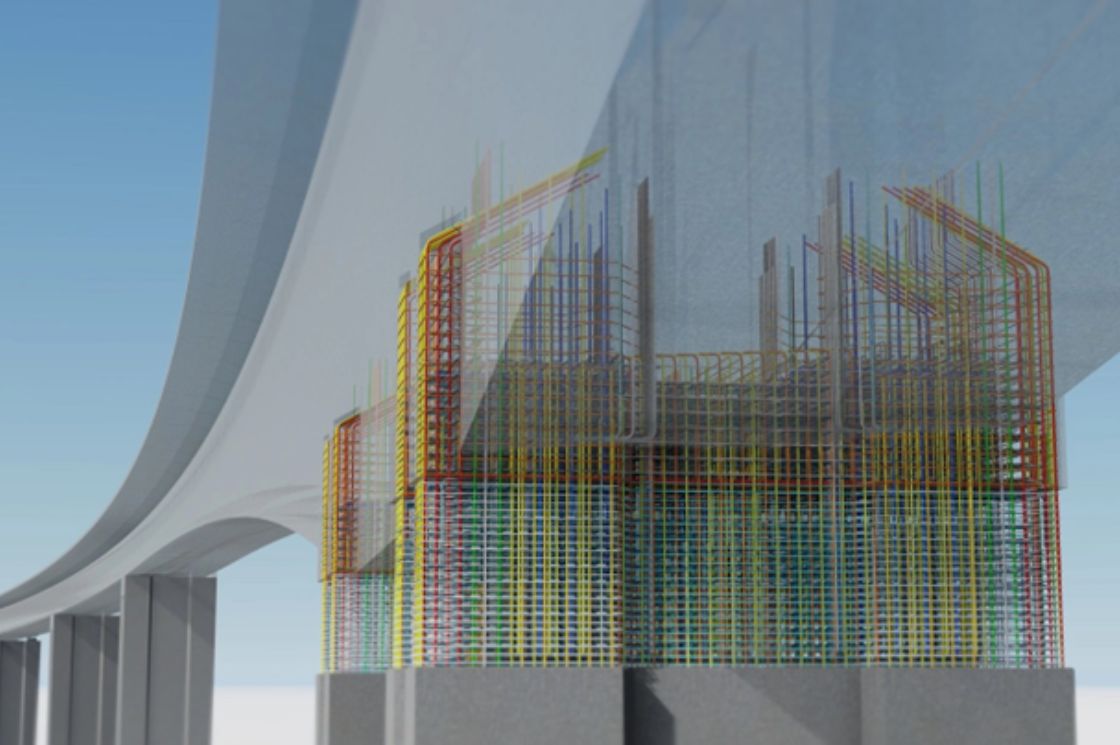
By using tools to plan and simulate construction teams can test if their plans will work, check if the different parts of the project fit together and see if the systems are compatible. This helps them find and fix problems which means they can avoid doing the same work twice and make sure the project runs smoothly. By just reacting to problems as they come up, they can prevent them from happening in the first place.
Financial Impact of Early Precision
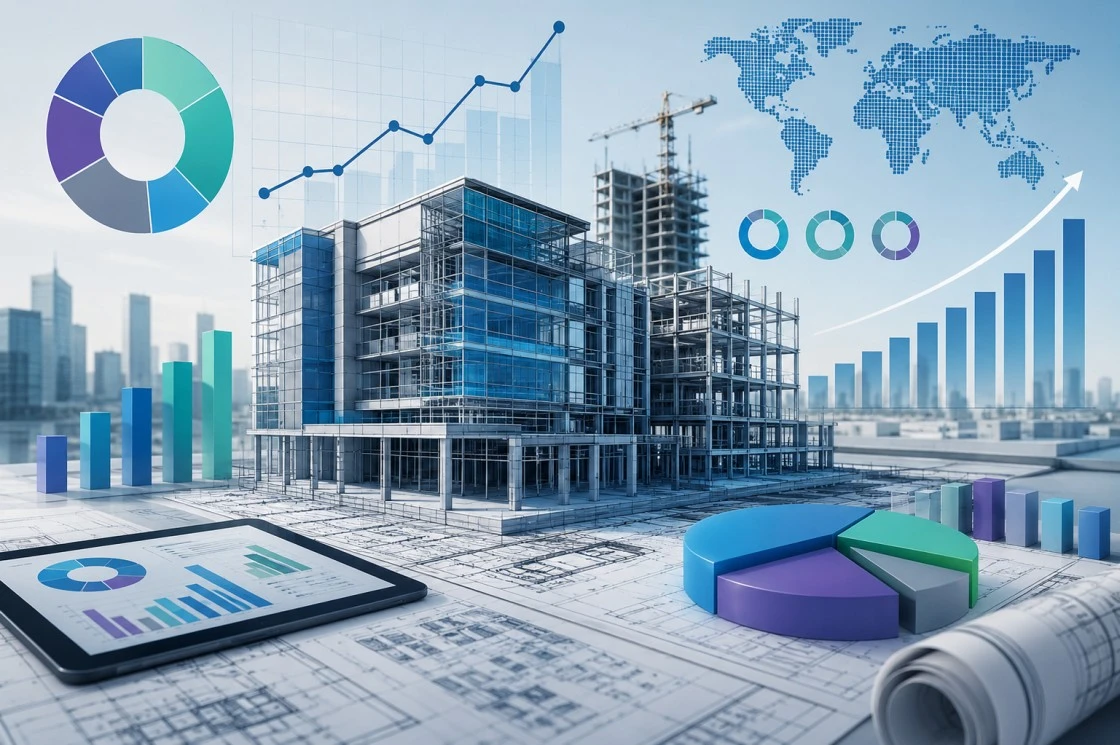
When it comes to the money side of things, being precise and careful in the planning stage has an impact on how profitable a project is. Research has shown that fixing design problems during the planning stage is a lot cheaper than fixing them on.
Source: Autodesk
With the help of technology teams can simulate how resources will be used, avoid wasting materials and make sure the project schedule is stable before they even start buying materials. Clients are starting to prioritize companies that can show they are good at predicting and planning because it shows they are technically skilled and can manage projects. Being precise and careful in the planning stage is no longer about quality, it is also a financial strategy.
Coordination as a Measurable Performance Indicator
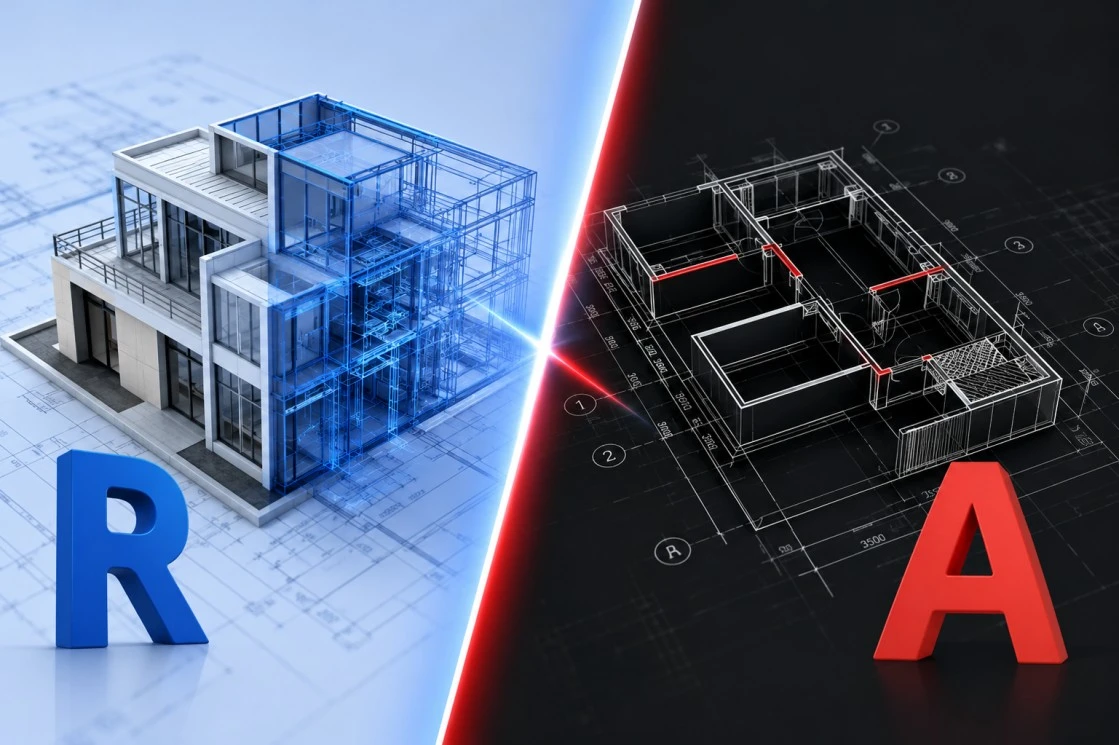
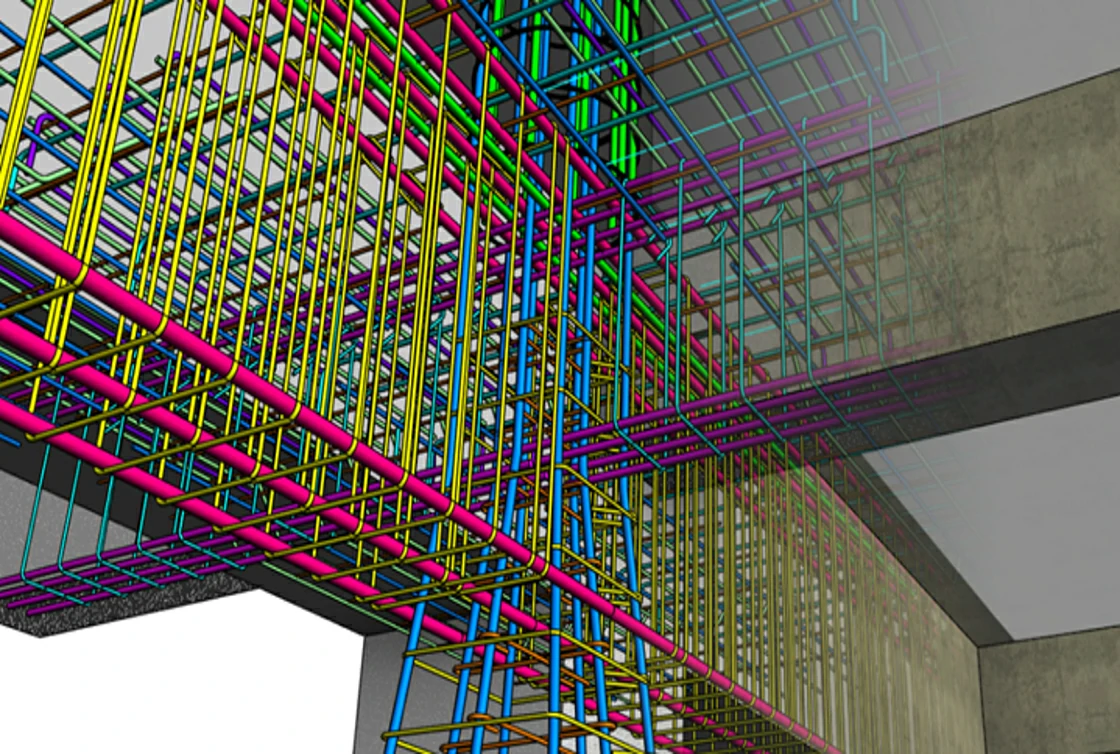
Construction projects involve many different teams and systems that have to work together perfectly. In this kind of environment how well teams coordinate with each other is a measure of how well they are doing. Companies that use technology to help them plan and coordinate can bring all the systems together into one workflow rather than having them work separately.
By planning and using digital tools teams can make sure all the systems work together seamlessly. This approach turns coordination from something that just happens into a part of how well the project is doing. In projects being reliable is often more important than being fast and companies are starting to measure their success in this way.
Precision as Organizational Strategy
Companies that are looking to the future are starting to see precision and careful planning as a part of how they work, rather than just something they do for one project. They are embedding planning into their processes and using data to make decisions.
Over time this approach leads to results: projects are finished on time, risks are lower, stakeholders are more confident and the company can handle bigger and more complex projects. In markets these advantages can lead to a better reputation and more trust from clients. Precision is becoming a part of what these companies stand for.
Final Insight
Actually, building something is important. Being precise and careful in the planning stage is what makes it all possible. Companies that invest in planning and coordination are not just making their workflows better, they are raising the bar for the whole industry. In projects leadership is no longer just about who can react fastest to problems. It is, about who can plan and prepare the best before the project even starts.