Singapore has established itself as one of Asia’s most digitally advanced construction markets. From regulatory submissions to integrated project delivery, the country’s built environment sector is moving rapidly toward data-driven design and construction.
At the centre of this transformation are BIM Architecture and BIM Modeling. These technologies enable architects, engineers, contractors, developers and facility managers to work from coordinated digital building information rather than disconnected 2D drawings.
The shift is not simply technological. Singapore’s regulatory environment, construction pipeline and digital-delivery targets are creating a strong business case for BIM adoption.
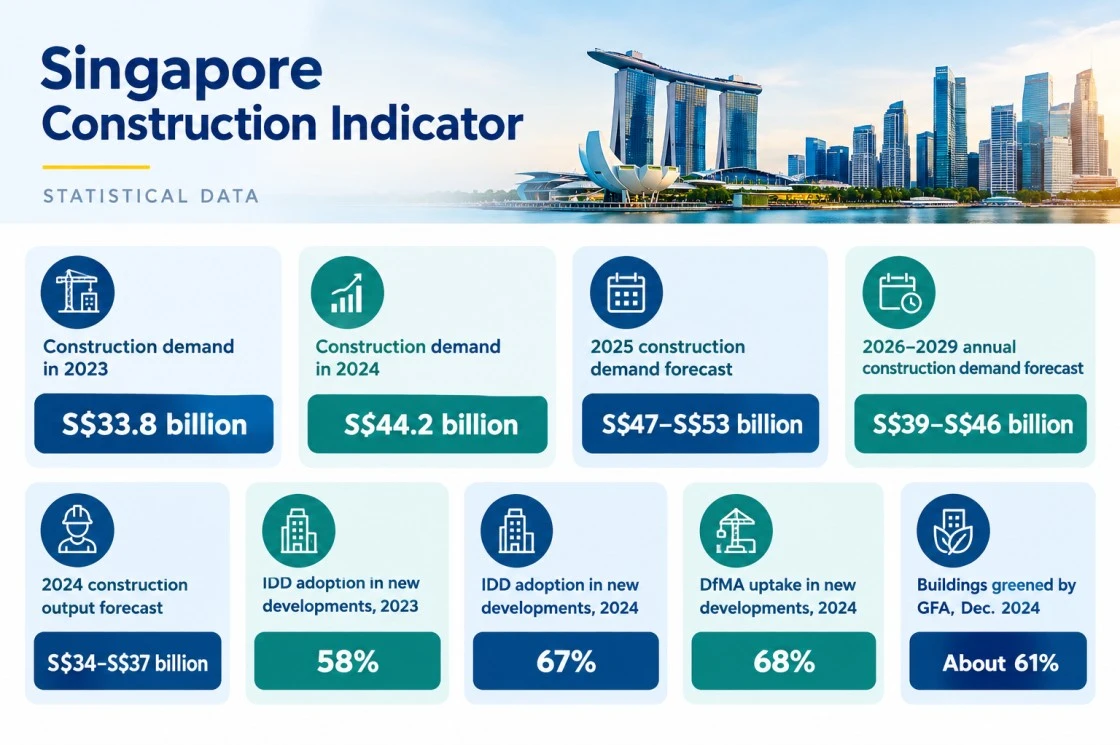
According to Singapore’s Building and Construction Authority (BCA), the country’s total construction demand reached S$44.2 billion in 2024, while BCA projected S$47 billion–S$53 billion of construction demand for 2025. More importantly, BCA expects construction demand to average S$39 billion–S$46 billion per year from 2026 to 2029.
This expanding project pipeline, combined with Singapore’s digital regulatory framework, makes BIM increasingly important for the country’s architecture and construction industry.
Singapore Construction Market: The Numbers Behind BIM Growth
The scale of Singapore’s construction sector provides an important context for understanding the growth of digital construction.
Source: AEODC
BCA’s figures show that Singapore is combining construction growth with industry-wide digitalisation. Integrated Digital Delivery (IDD) adoption in new developments increased from 58% in 2023 to 67% in 2024, while Design for Manufacturing and Assembly (DfMA) uptake rose from 61% to 68%.
The numbers indicate that digital construction is becoming an increasingly mainstream part of project delivery rather than a specialist capability used only on large developments.
What Is BIM Architecture?
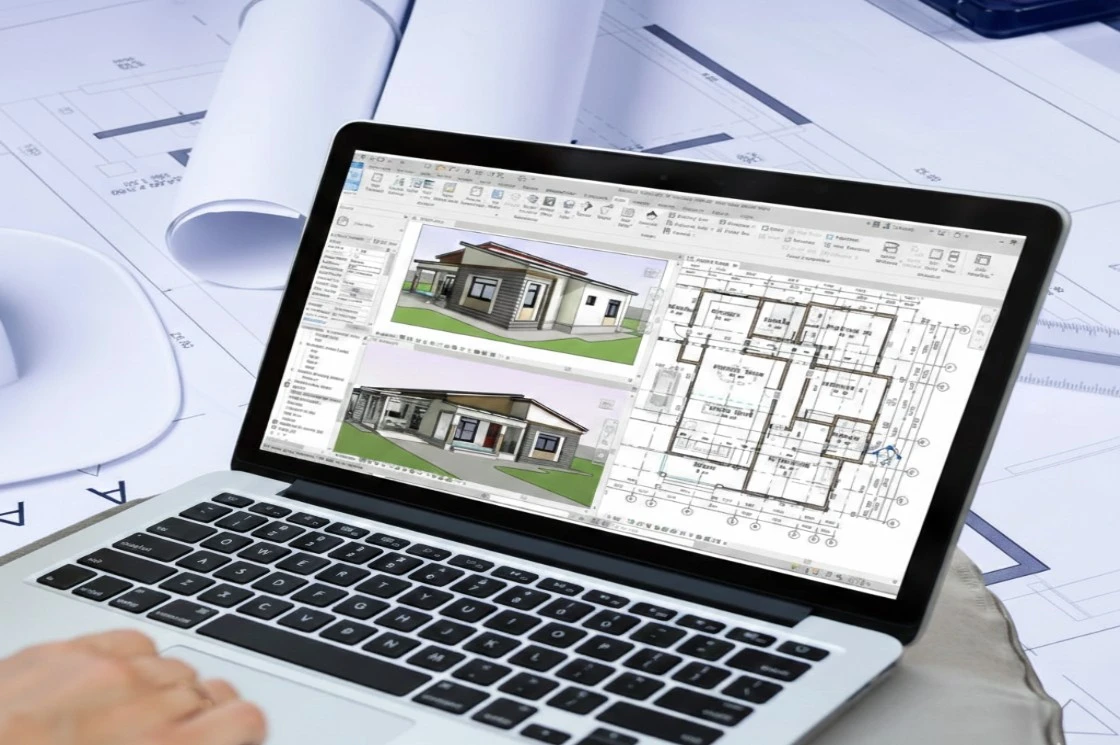
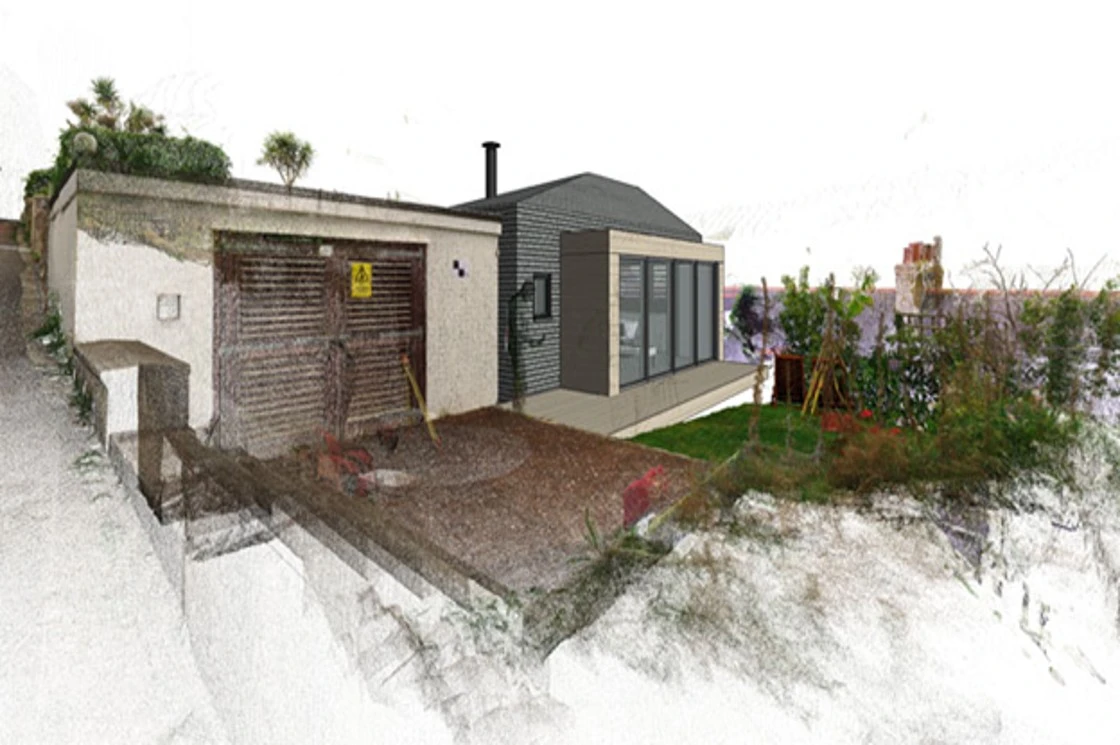
BIM Architecture refers to the use of Building Information Modeling within architectural design, documentation and project coordination.
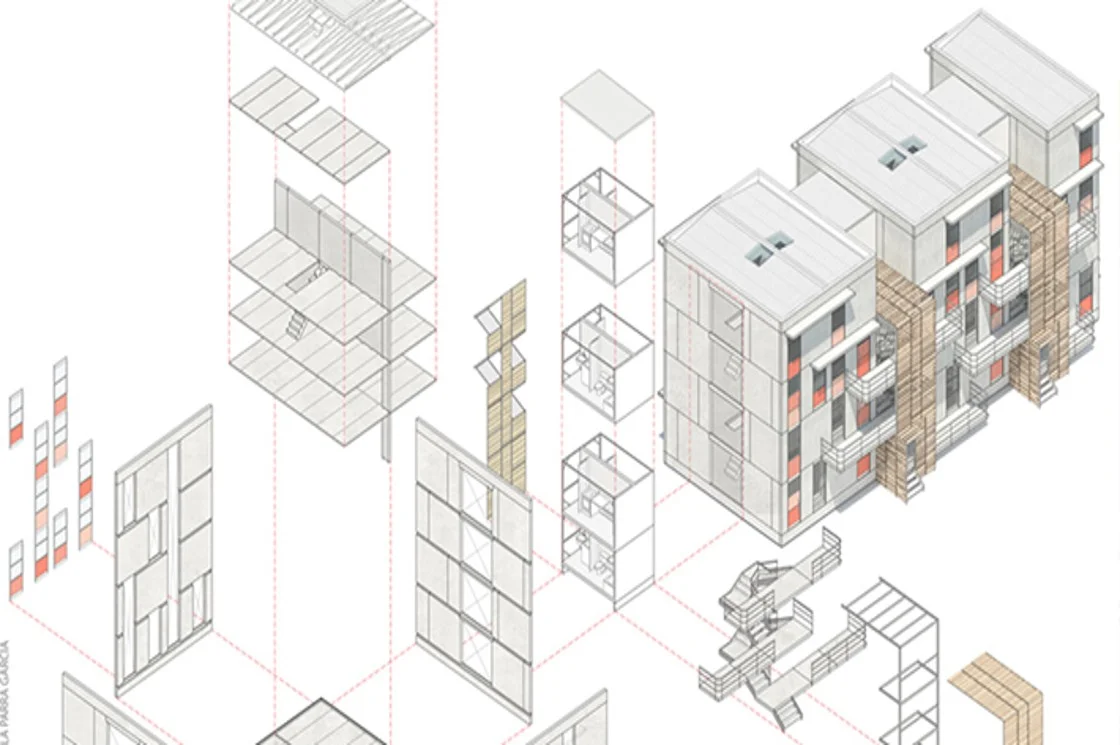
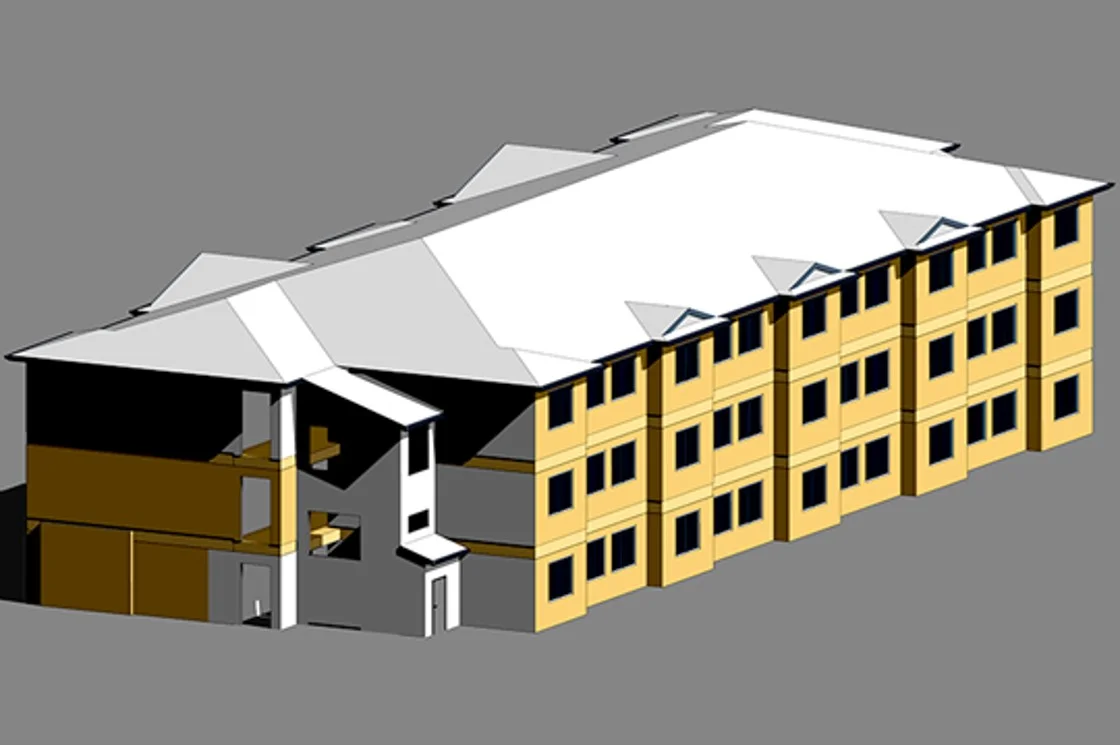
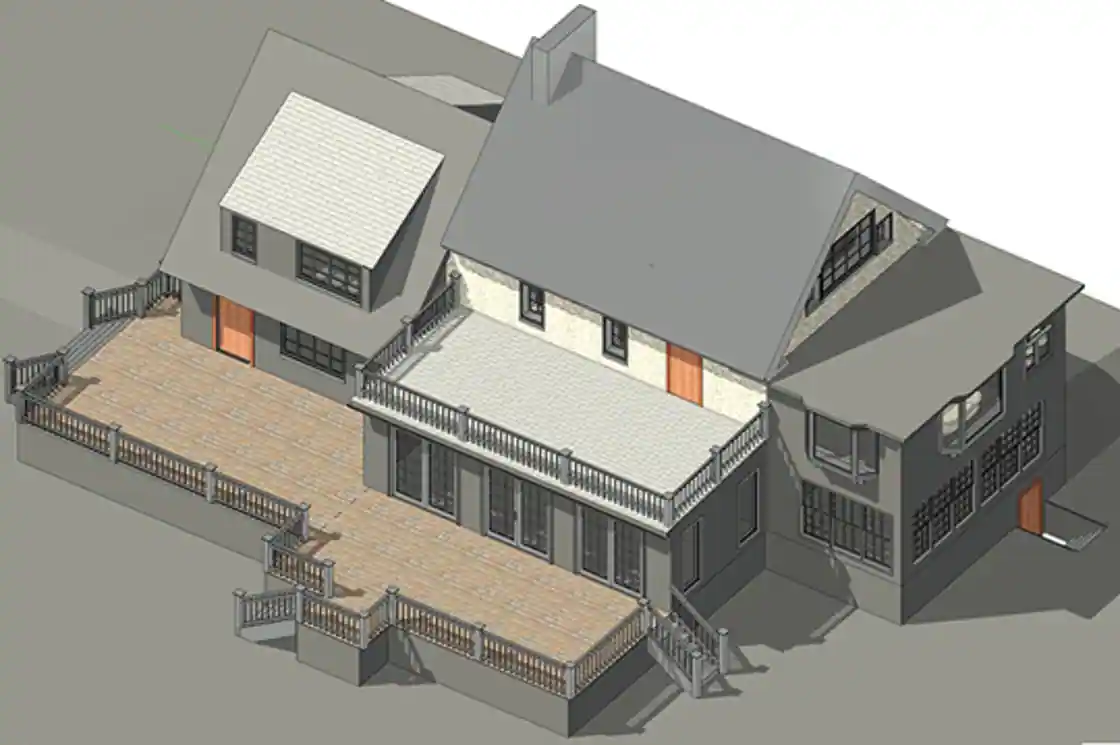
Unlike conventional CAD drawings, an architectural BIM model represents a building as an information-rich digital environment. Walls, doors, windows, floors, roofs, rooms and other building components can contain geometric and non-geometric information.
A BIM architectural workflow can support:
Conceptual design
Architectural 3D modeling
Design development
Construction documentation
Quantity information
Design coordination
Clash identification
Visualization
Regulatory submissions
Construction sequencing
Facility management data
For Singapore projects, BIM Architecture is particularly relevant because regulatory processes increasingly depend on coordinated digital information.
BCA describes BIM as a collaborative, model-based process used to plan, design, construct and manage buildings and infrastructure throughout their lifecycle.
Why BIM Modeling Is Becoming Important in Singapore
The growth of BIM Modeling in Singapore is closely connected to the country’s broader Integrated Digital Delivery strategy.
BCA defines IDD as an approach that uses digital technologies to connect stakeholders across the building lifecycle, from design and fabrication to construction and asset management.
This means BIM is no longer limited to producing a 3D architectural model.
A coordinated BIM environment can become the information foundation connecting:
Architect | Structural Engineer | MEP Engineer | Contractor | Fabricator | Facility Manager
This interconnected approach is particularly valuable in dense urban environments such as Singapore, where projects often involve complex structures, limited site space, multiple consultants and demanding coordination requirements.
67% IDD Adoption Shows Singapore’s Digital Construction Momentum
One of the strongest statistics supporting BIM adoption is Singapore’s IDD growth, BCA reported that IDD adoption in new developments increased from 58% in 2023 to 67% in 2024.
That represents a 9-percentage-point increase in one year.
This matters because IDD relies on structured digital information and collaboration throughout the construction lifecycle. BIM is one of the key technologies supporting this approach.
For architectural practices, this creates a growing need for accurate BIM Architecture workflows that can connect design information with structural, MEP, construction and asset-management requirements.
BIM Modeling for Projects Above 5,000 m²
Singapore’s BIM requirements also demonstrate why model quality matters.
BCA’s BIM guidance states that for construction projects involving a gross floor area greater than 5,000 m², BIM models containing key data structures and properties of building entities and objects are required. The guidance identifies Architecture, Structural and MEP disciplines as part of the BIM submission process.
This changes the role of BIM Modeling.
A model is not simply a visual representation of the building. It needs to contain structured information that can be coordinated and used within the regulatory and project-delivery environment.
For this reason, Singapore project teams need BIM models that are:
Geometrically accurate
Properly coordinated
Correctly classified
Consistent across disciplines
Structured according to project requirements
Suitable for information exchange
Prepared for regulatory submission where applicable
BIM Architecture and Multidisciplinary Coordination
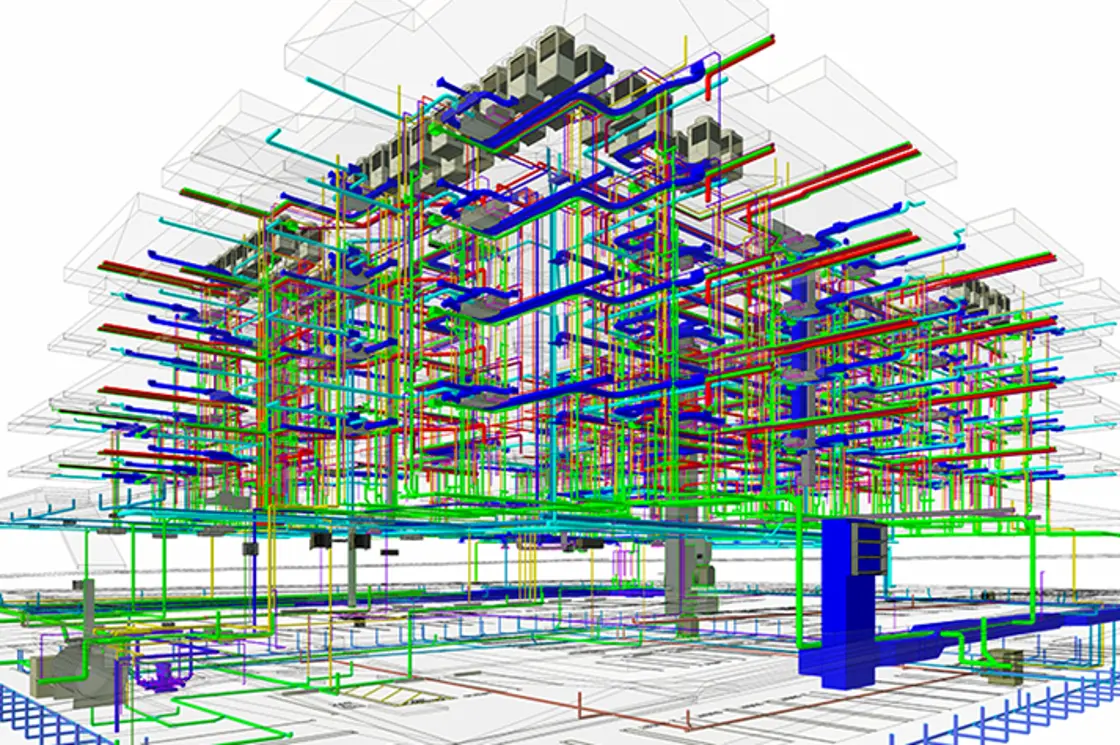
One of the biggest benefits of BIM Architecture is multidisciplinary coordination. A typical building project may involve hundreds or thousands of components. Architectural elements need to coordinate with:
Structural columns and beams
HVAC ducts
Plumbing systems
Electrical containment
Fire protection
Ceiling systems
Equipment
Access requirements
Vertical transportation
External works
With BIM Modeling, these systems can be brought into a shared digital environment before construction.
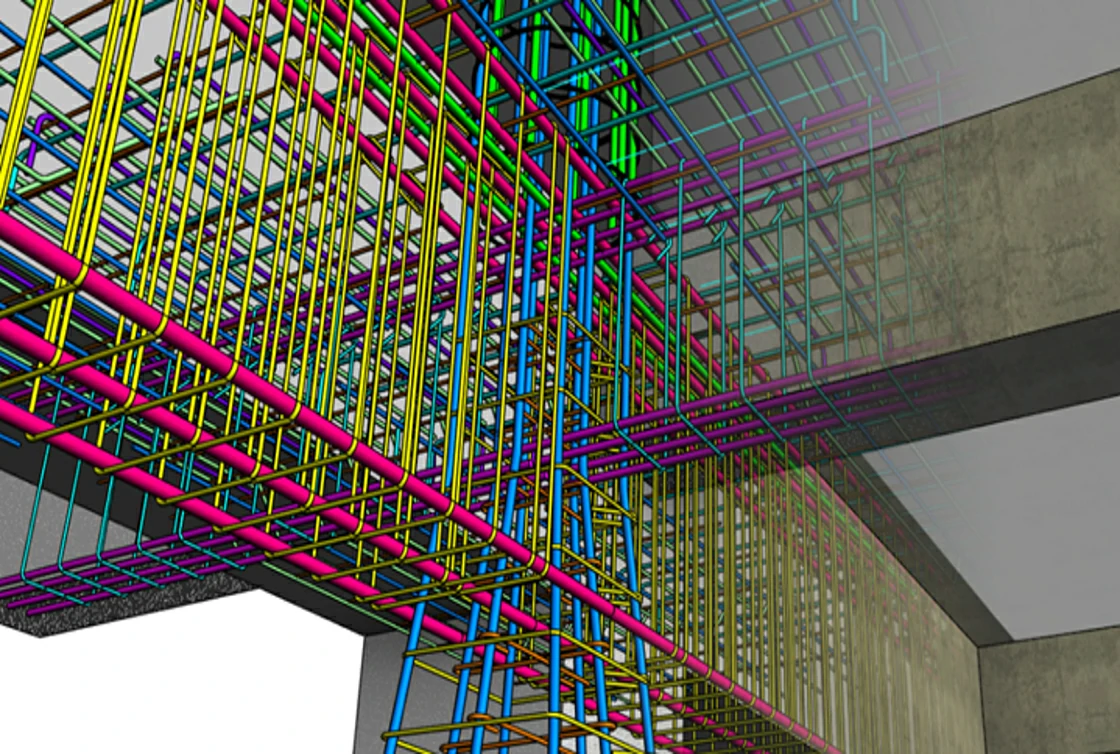
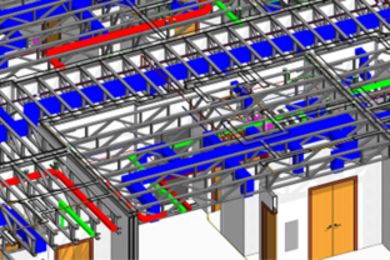
For example, an architectural ceiling may appear acceptable in isolation. However, when the structural and MEP models are coordinated, the team may identify conflicts between the ceiling, ductwork, lighting, sprinkler systems and structural elements.
Resolving these issues digitally can reduce downstream coordination problems.
BCA’s annual reporting has highlighted the use of BIM in tendering and coordination, including efforts to reduce rework caused by uncoordinated models. BCA reported that BIM-based tender documentation can also reduce the effort involved in producing an estimated 50 to 100 2D tender drawings.
BIM and Singapore’s Construction Productivity Agenda
Singapore has been actively promoting productivity through digitalisation, DfMA, IDD, robotics and automation. BCA describes these initiatives as part of its broader effort to improve project delivery outcomes and reduce manpower utilisation.
The relationship between BIM and productivity is straightforward:
Better Information | Better Coordination | Fewer Conflicts | Better Planning | More Predictable Delivery
BIM does not automatically guarantee cost or time savings. However, a well-managed BIM workflow gives project teams better information earlier in the project lifecycle, which can improve decision-making.
The Future of BIM Architecture in Singapore
Singapore’s construction industry is entering a new phase in which BIM, IDD, standardized information management and regulatory digitalisation are increasingly interconnected.
The country’s construction pipeline remains substantial, with BCA forecasting S$39 billion–S$46 billion in annual construction demand from 2026 to 2029. At the same time, digital adoption is increasing and CORENET X is reshaping how building information is submitted and coordinated.
For architects, engineers, contractors and developers, the implication is clear: BIM is becoming part of the fundamental information infrastructure of modern construction.
The future of BIM Architecture will therefore extend beyond 3D design. It will increasingly involve structured information, interdisciplinary coordination, regulatory compliance, construction planning and lifecycle asset management.
Likewise, BIM Modeling will increasingly be judged not only by how accurately a model looks, but by how effectively its information can support decisions throughout the building lifecycle.
Conclusion
Singapore’s construction sector provides a strong environment for BIM adoption.
Construction demand reached S$44.2 billion in 2024, BCA forecast S$47–S$53 billion for 2025, and medium-term annual demand is expected to remain between S$39 billion and S$46 billion from 2026 to 2029. Meanwhile, IDD adoption in new developments increased from 58% to 67% between 2023 and 2024.
The implementation of CORENET X adds another major driver, with BIM-based regulatory submissions becoming increasingly mandatory across Singapore’s project landscape. BCA estimates potential approval-time reductions of 20%–25% for projects submitted through BIM.
For Singapore’s evolving AEC industry, BIM Architecture and BIM Modeling are driving smarter, more coordinated project delivery.
AEODC empowers architects, contractors and developers with accurate BIM solutions, multidisciplinary coordination and VDC expertise.
Design Better. Coordinate Smarter. Build with Confidence.
Partner with AEODC to shape Singapore’s digital built environment.
FAQs
What is BIM Architecture in Singapore?
BIM Architecture creates intelligent digital building models for better design, coordination and documentation.
Is BIM mandatory in Singapore?
BIM submissions are being progressively mandated in Singapore through the CORENET X regulatory framework.
What is BIM Modeling used for?
BIM Modeling supports 3D coordination, clash detection, documentation and efficient project delivery.
What is CORENET X?
CORENET X is Singapore’s digital platform for coordinated BIM-based building-plan submissions.
Why is BIM important in Singapore?
BIM improves coordination, accuracy, collaboration and efficiency across Singapore’s construction projects.