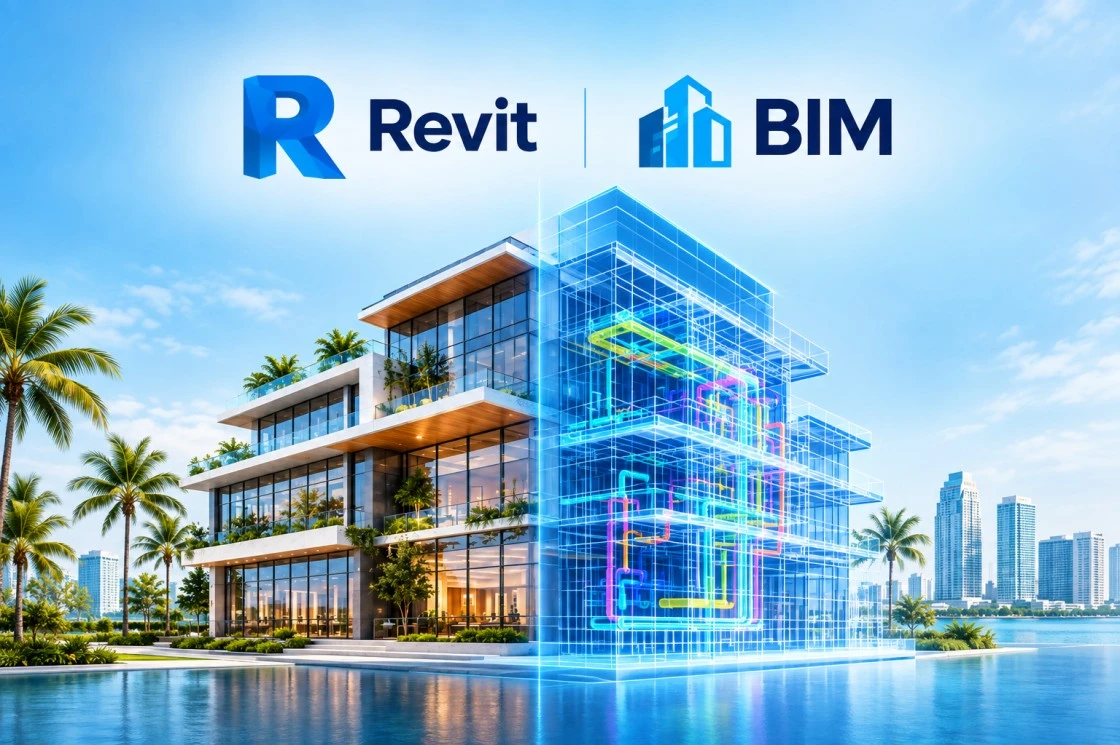
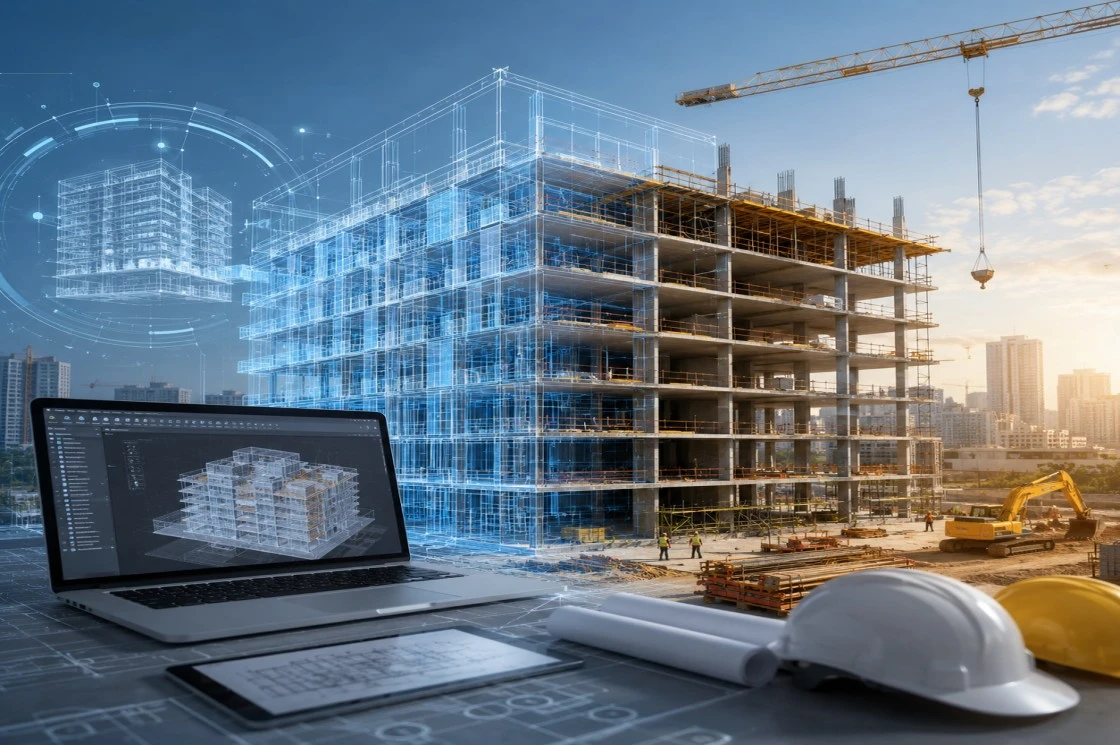
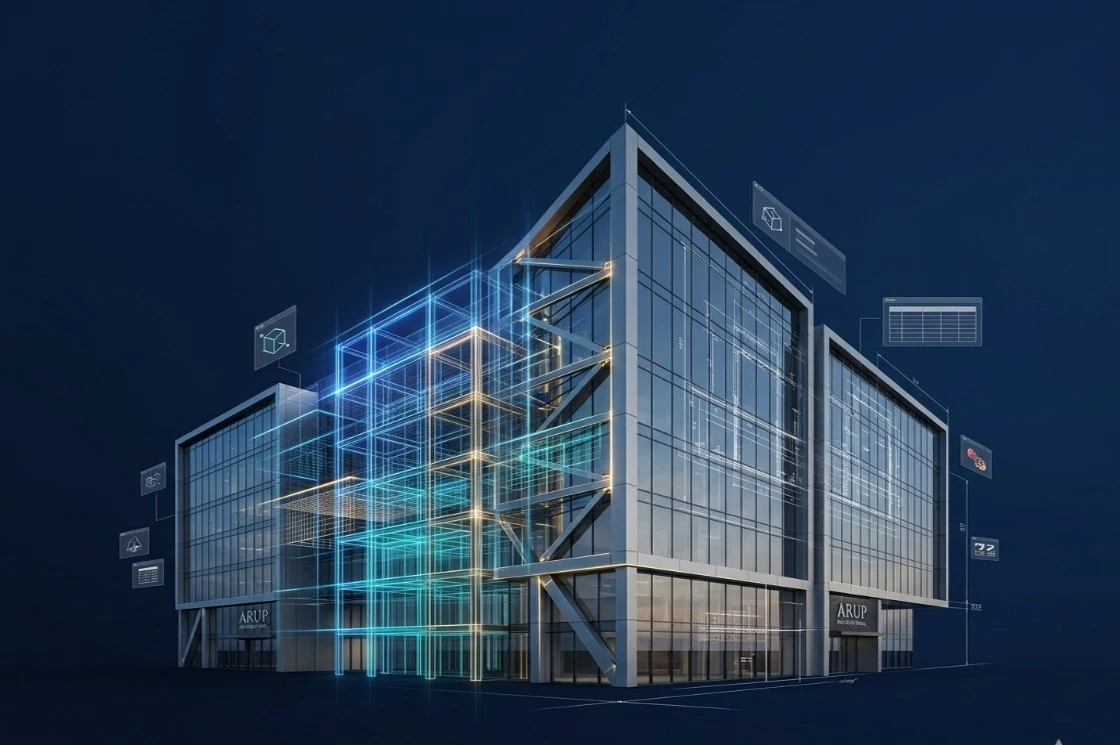
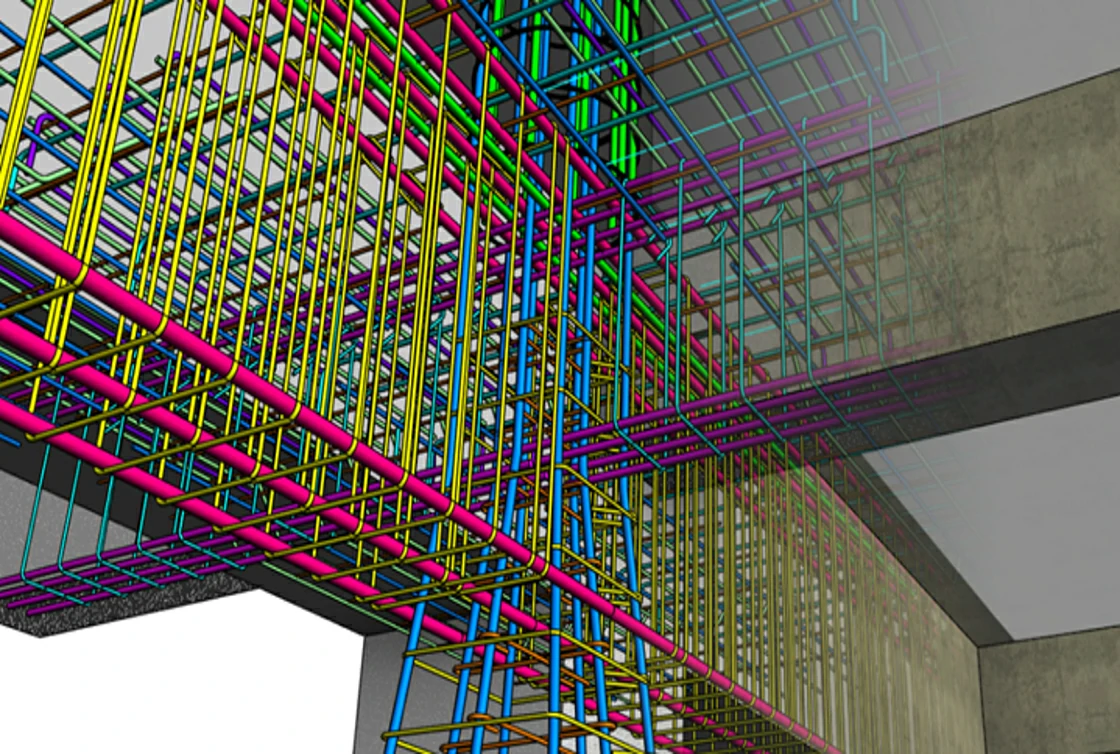
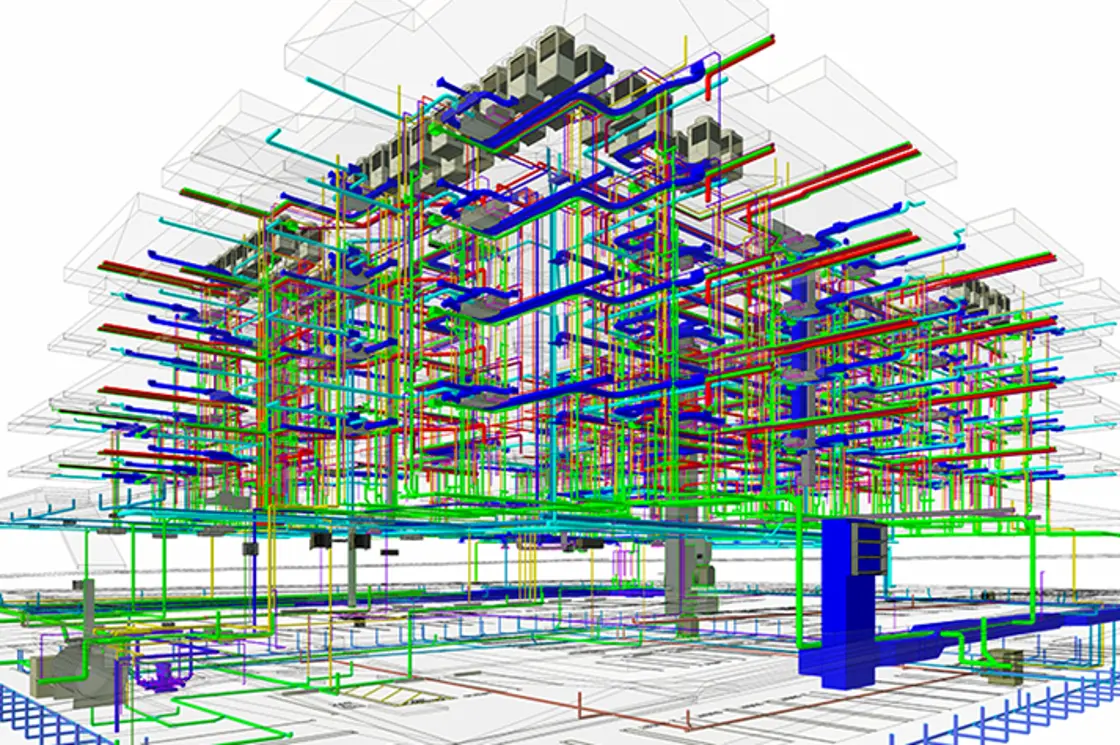
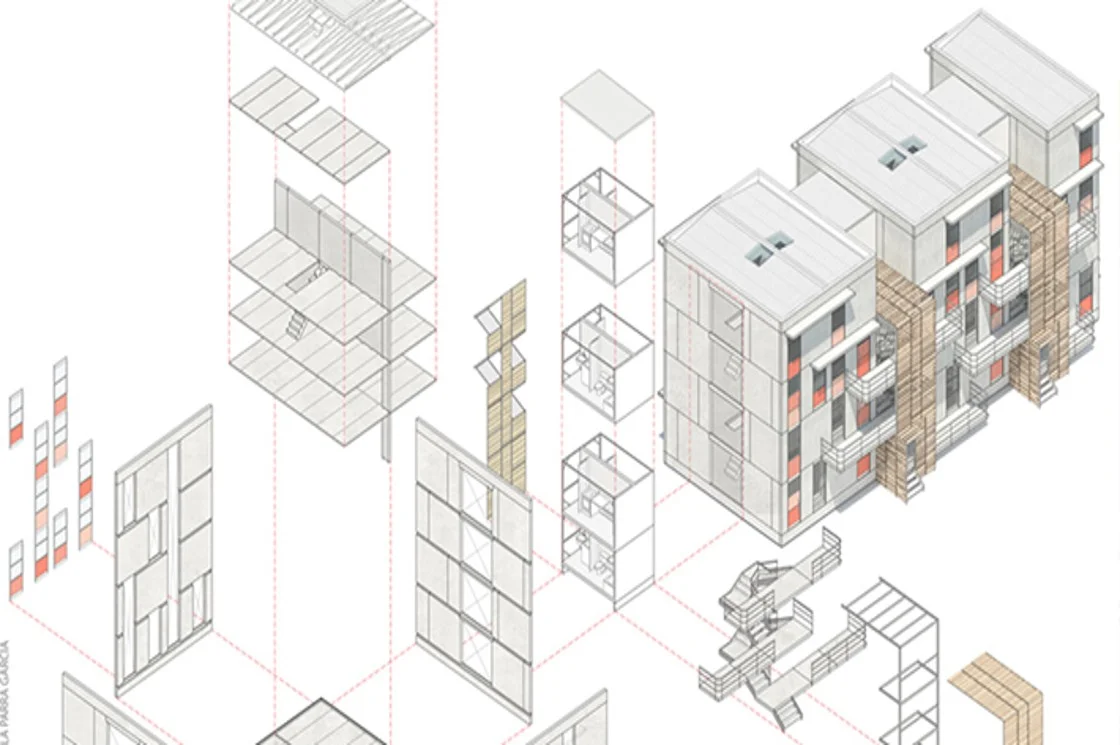
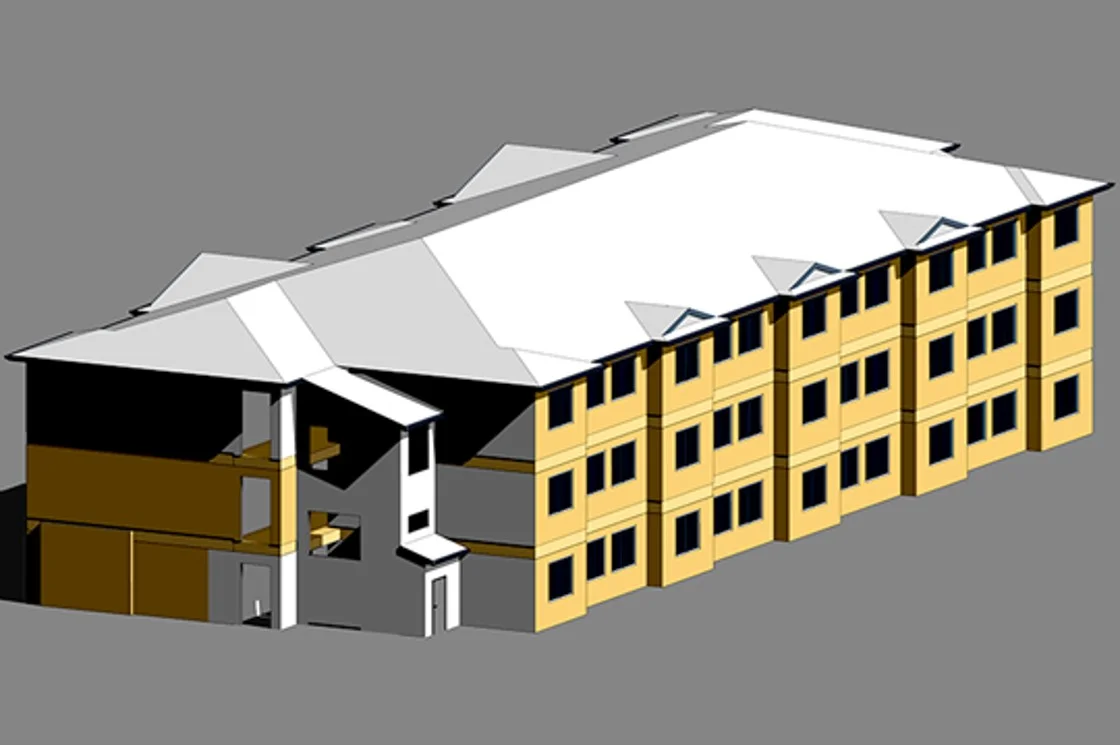
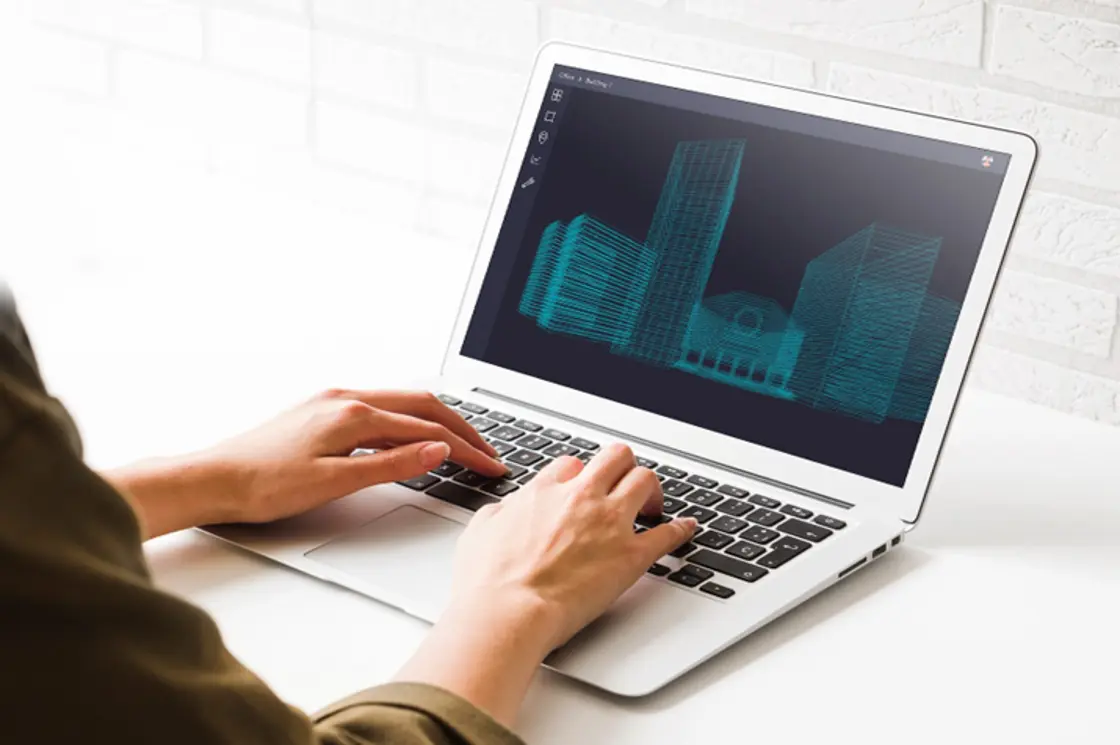
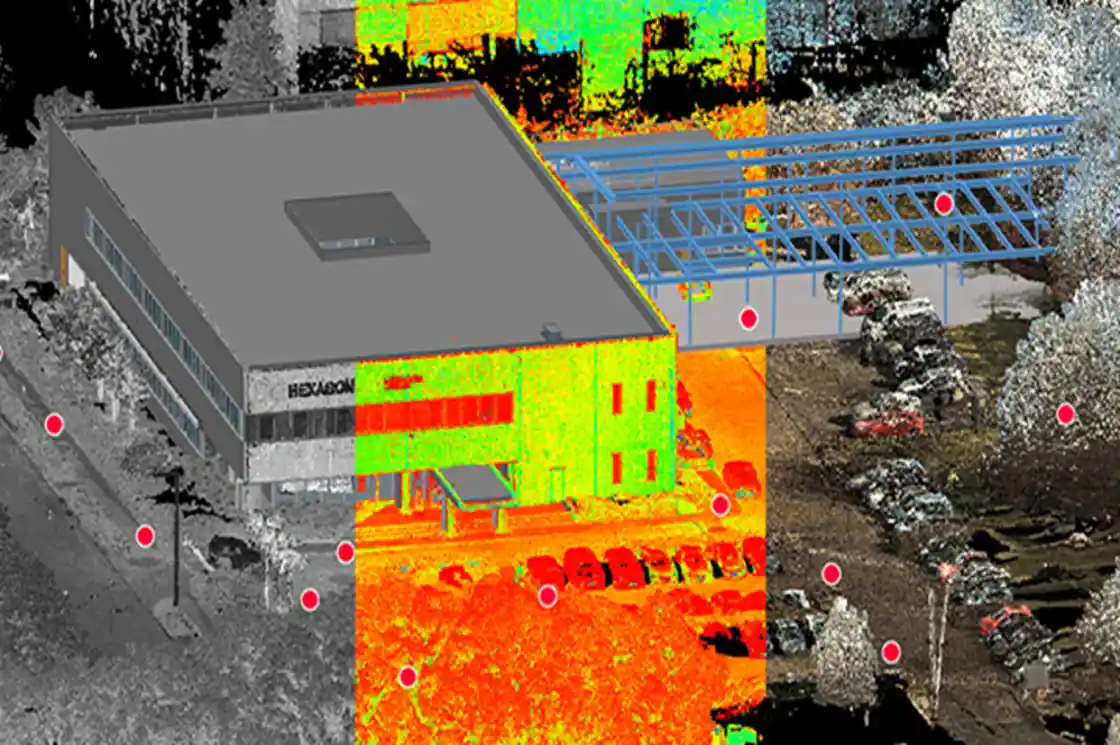
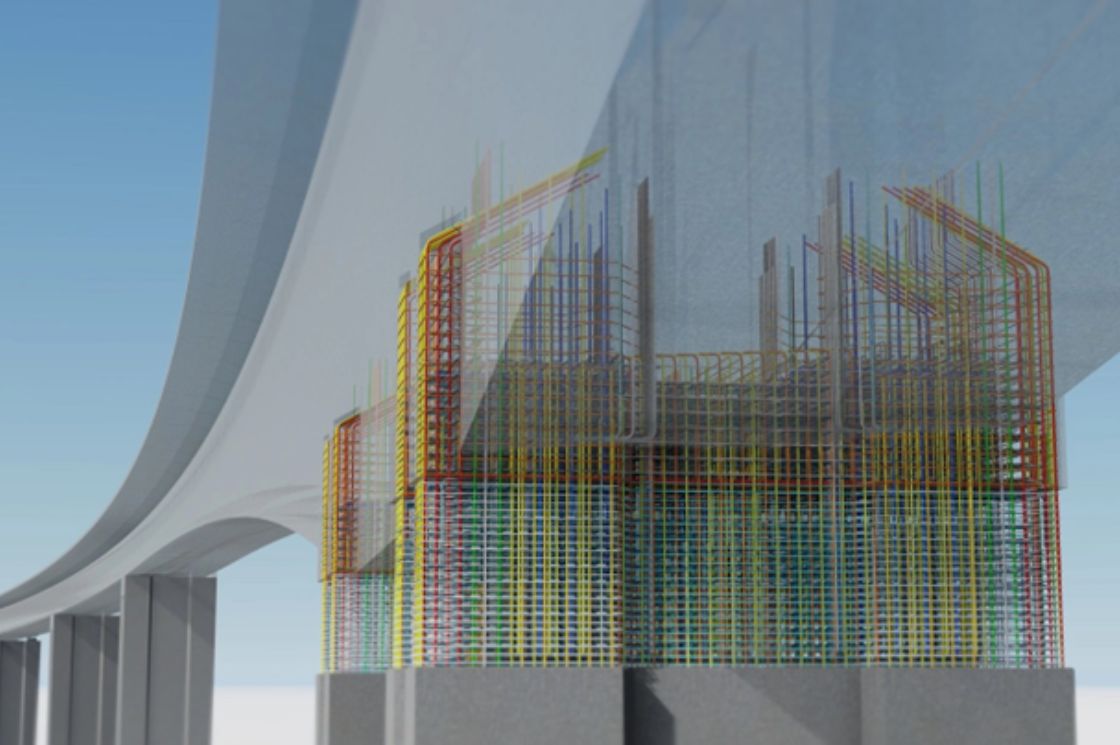
In today’s high-velocity project environments, decision speed has become as critical as design accuracy. This is where revit modeling is evolving beyond geometry creation into a real-time analytical engine. Instead of waiting for downstream teams to flag clashes, performance issues, or sequencing conflicts, intelligent modeling workflows now simulate outcomes during authoring. Within advanced bim and construction pipelines, model latency—the time between design change and system feedback—is being treated as a measurable performance metric. Firms that reduce this latency gain a strategic edge because their models don’t just represent buildings; they actively test constructability while they’re being built digitally.
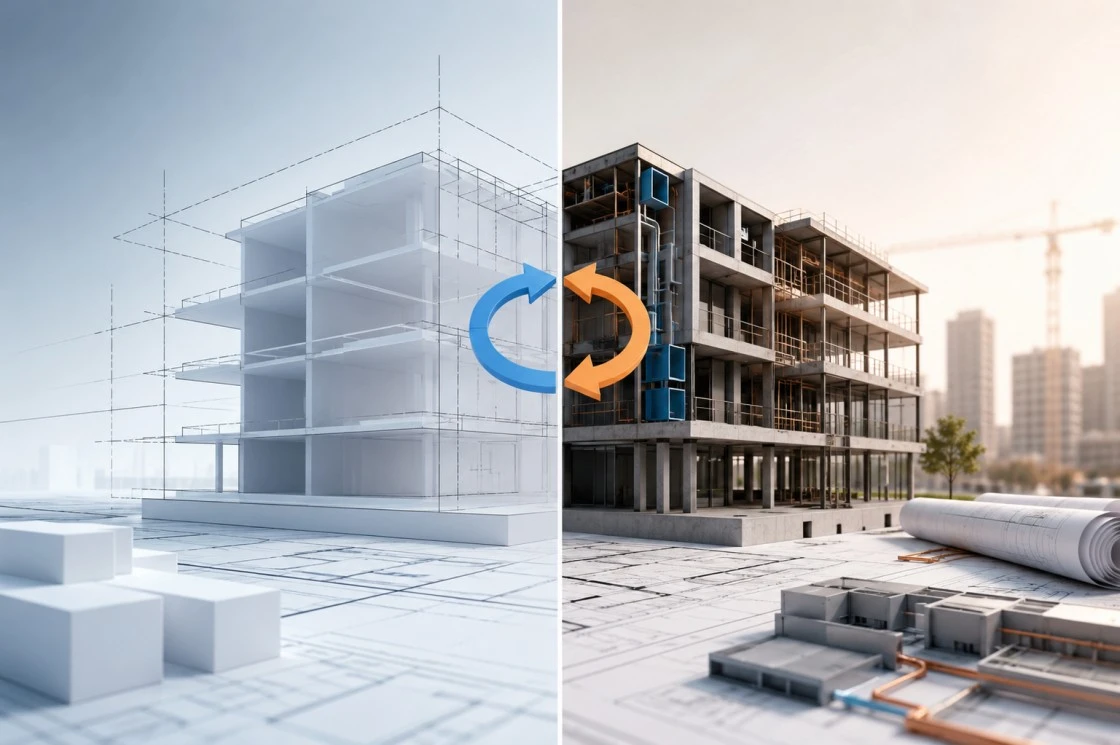
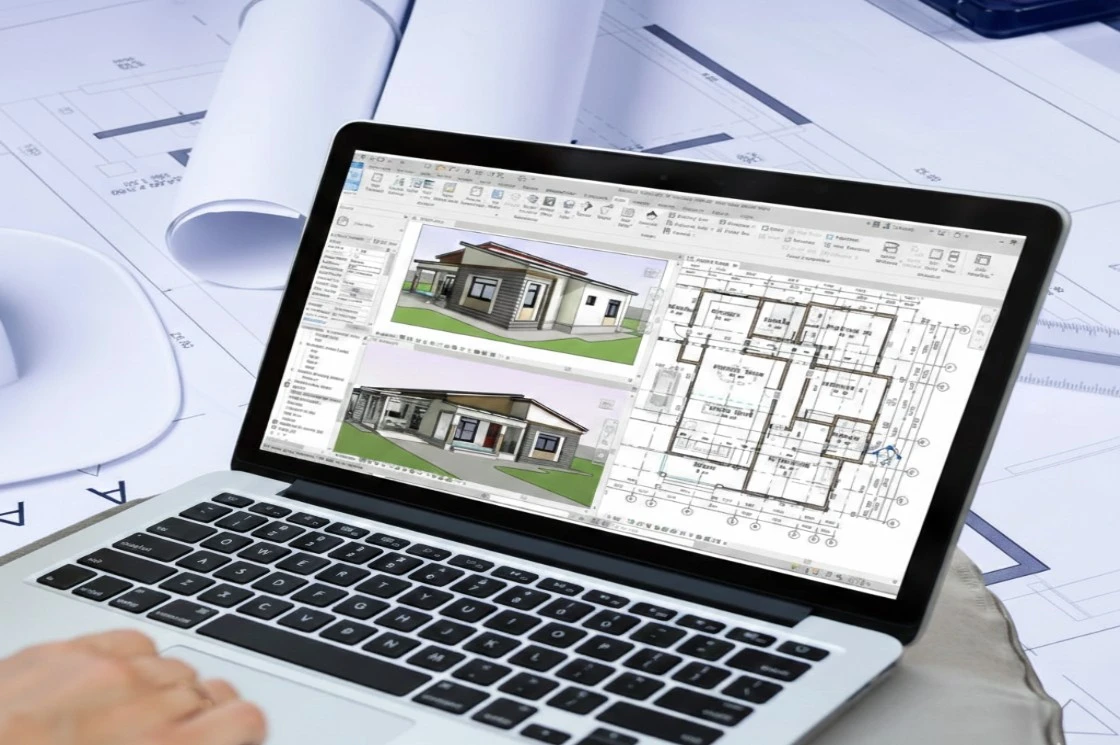
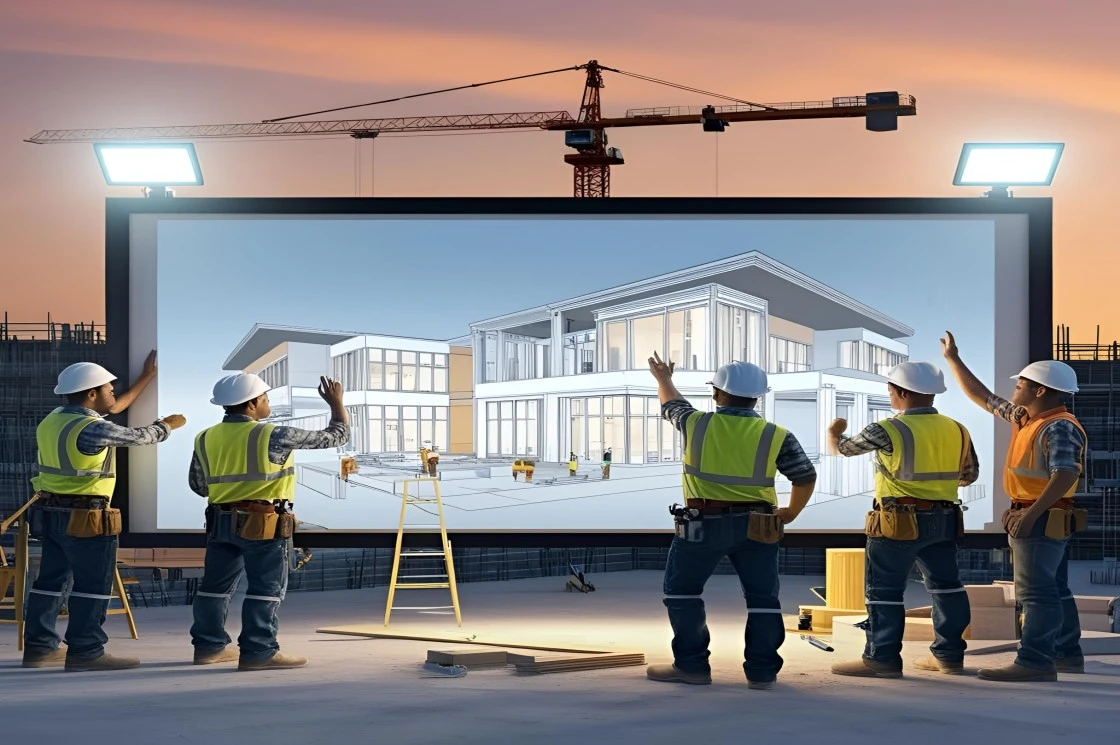
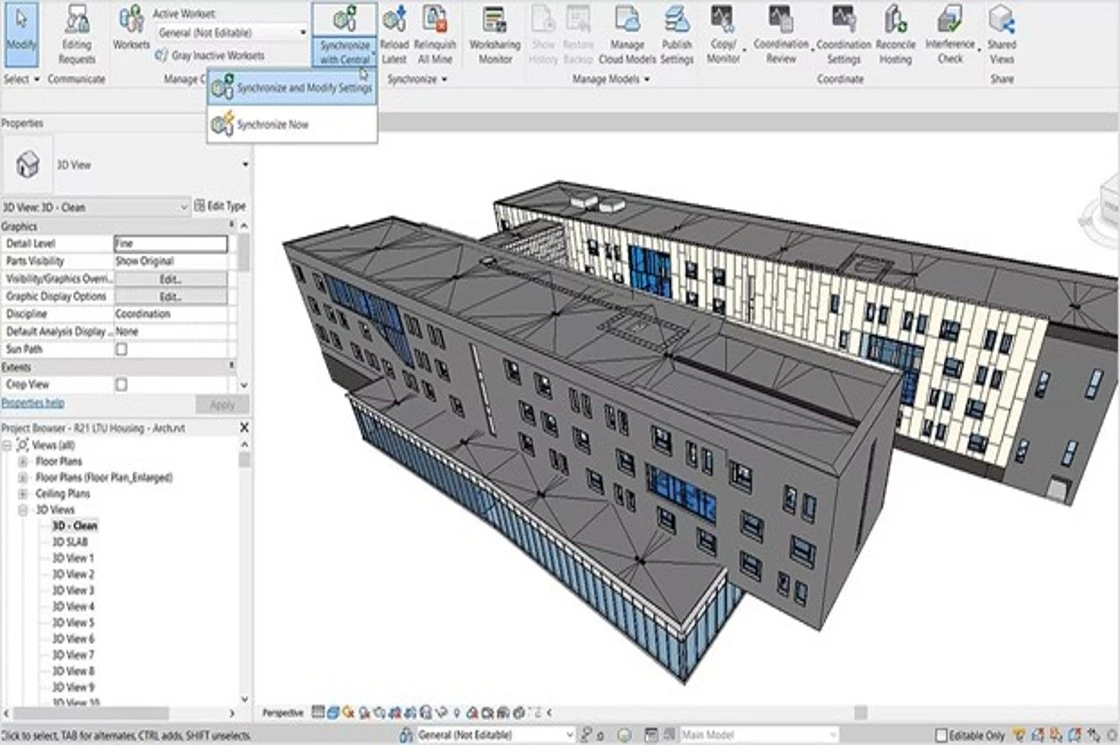
The shift is largely driven by parametric intelligence embedded inside modern revit modeling environments. Parametric dependencies allow a structural adjustment to automatically update load paths, quantity takeoffs, and spatial coordination. When integrated properly into bim and construction ecosystems, this eliminates the traditional lag between design intent and construction validation. Instead of separate validation phases, analysis becomes continuous. This transforms coordination meetings from problem-finding sessions into decision-making sessions—an operational upgrade many firms still underestimate.
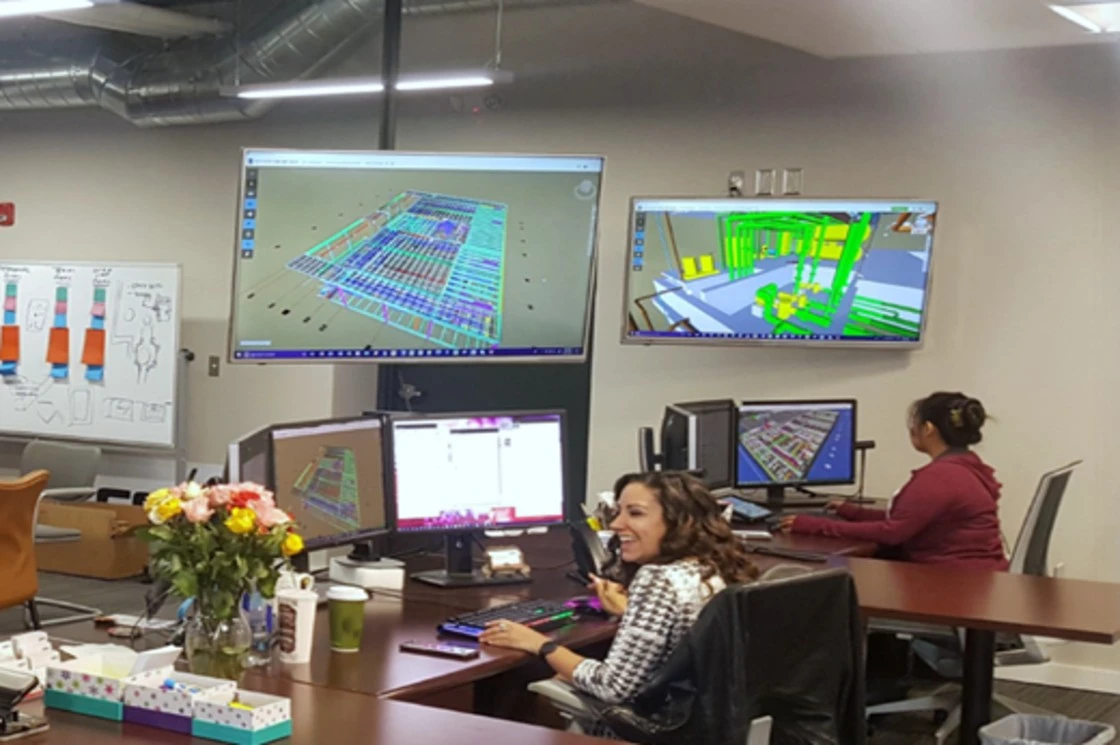
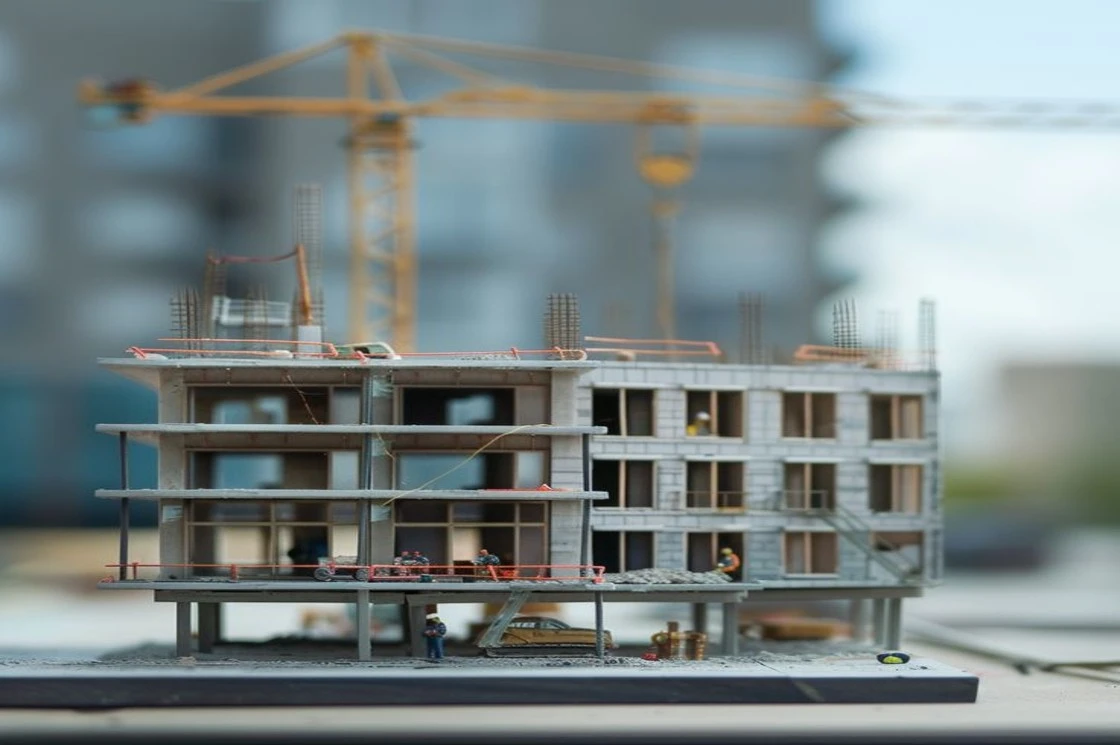
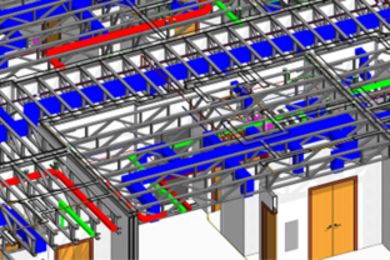
Another emerging dimension is predictive sequencing. Advanced teams now connect revit modeling outputs with scheduling algorithms to simulate installation logic before site mobilization. In mature bim and construction workflows, this means cranes, material staging zones, and prefabricated assemblies can be tested digitally under real constraints such as access paths or equipment reach. The result is not just clash-free geometry but friction-free execution planning. Projects that adopt this approach report fewer RFIs and significantly reduced rework because sequencing intelligence is embedded directly into the model logic.
Source: AI
Accuracy Is No Longer Visual — It’s Informational
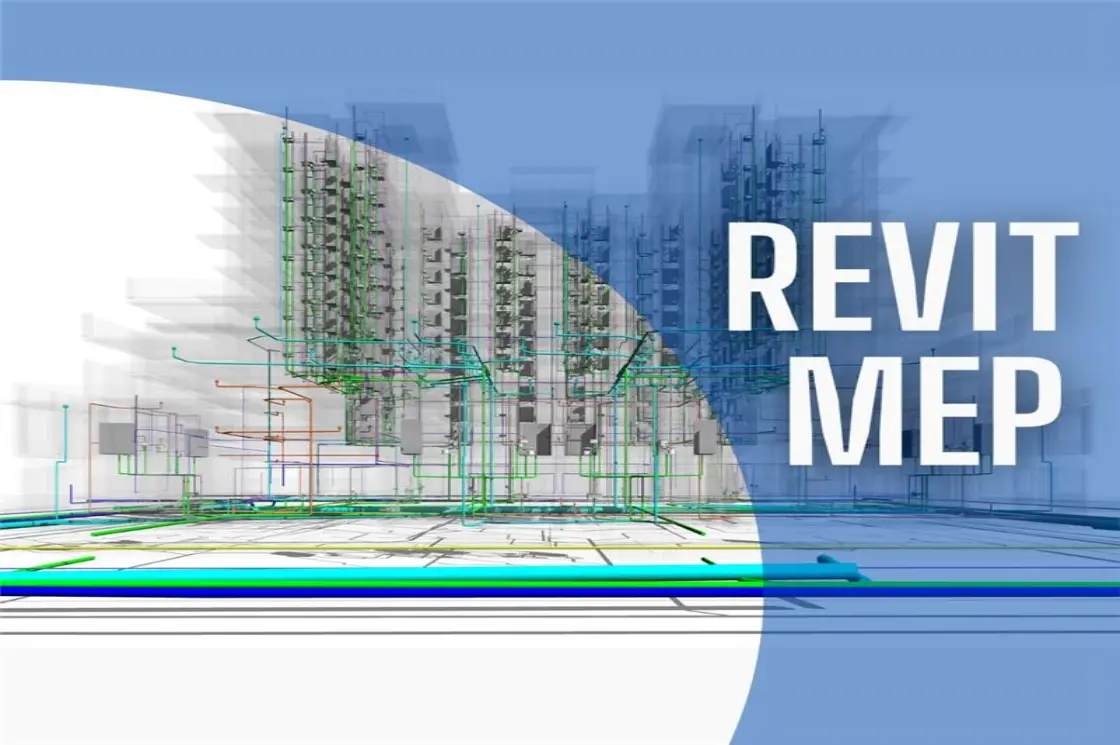
Data density is also redefining what accuracy means. Traditional models focused on visual precision, but modern revit modeling emphasizes informational precision—metadata consistency, parameter standardization, and classification integrity. Within integrated bim and construction frameworks, these structured datasets feed cost simulations, carbon analysis, and procurement automation simultaneously. The model effectively becomes a synchronized database where every element carries operational intelligence. This is why leading firms are investing more in model governance protocols than in visualization tools; clean data now delivers more value than photorealistic renders.
Ultimately, the future of project delivery will favor organizations that treat revit modeling as a decision infrastructure rather than a documentation step. As bim and construction platforms continue merging with AI-driven validation engines, models will increasingly recommend solutions instead of merely displaying problems. The competitive advantage will no longer belong to teams who can model fast, but to those whose models can think fast. And in an industry where delays translate directly into cost, intelligence embedded at the modeling stage may become the most valuable asset a project can possess.