How a BIM Course Helps Students Build a Future-Ready Career in AEC
In today’s fast-changing construction and design industry, students must go beyond textbooks to succeed. The modern world demands practical skills, digital knowledge, and industry awareness. This is where AEC BIM learning becomes a powerful advantage. Enrolling in a BIM course is no longer just an option — it is becoming a career necessity for students who want to stand out in architecture, engineering, and construction fields.
Why Students Need Industry – Focused Skills
Today’s companies do not just look for degrees, they look for people with the skills. Employers want graduates who know how projects work, how teams work together and how to use the tools used on real sites. This is where AEC BIM comes in. Learning BIM helps students use the methods that professionals use to design, coordinate and build projects.
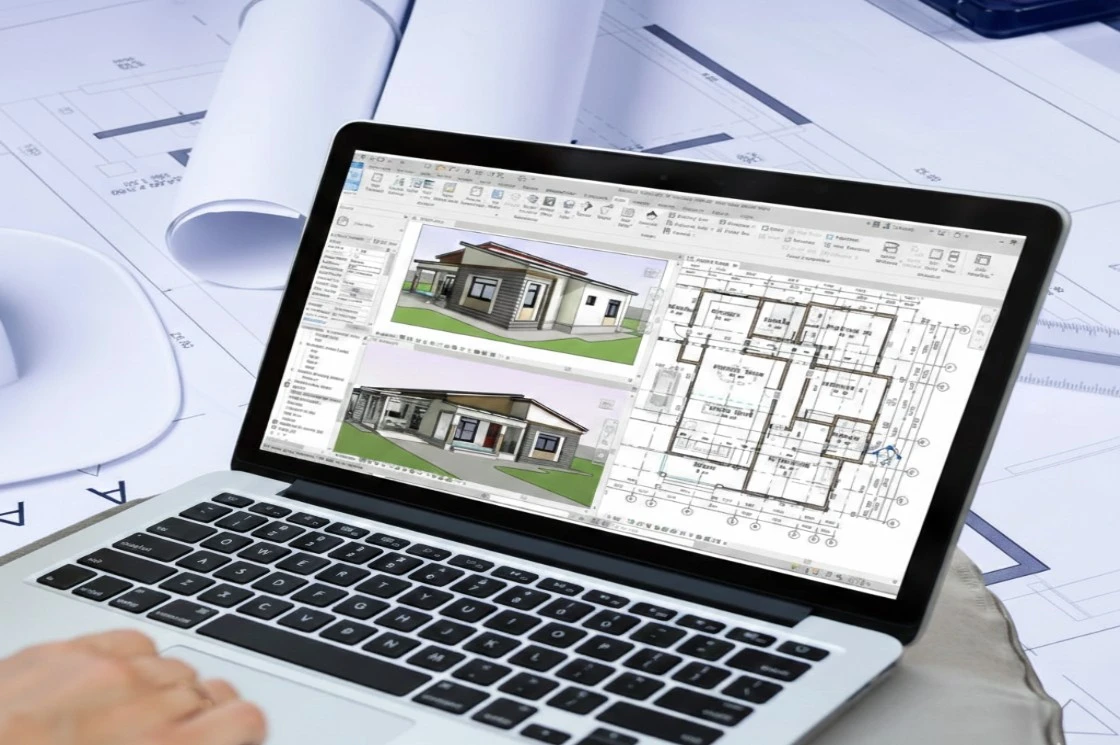
A good BIM course is not about theory. It helps students think practically, solve problems and visualize projects. These are areas where traditional classroom learning often falls short. Students who start learning AEC BIM gain a clear understanding of industry standards and feel confident about taking on professional roles.
Learning That Matches Real Industry Trends
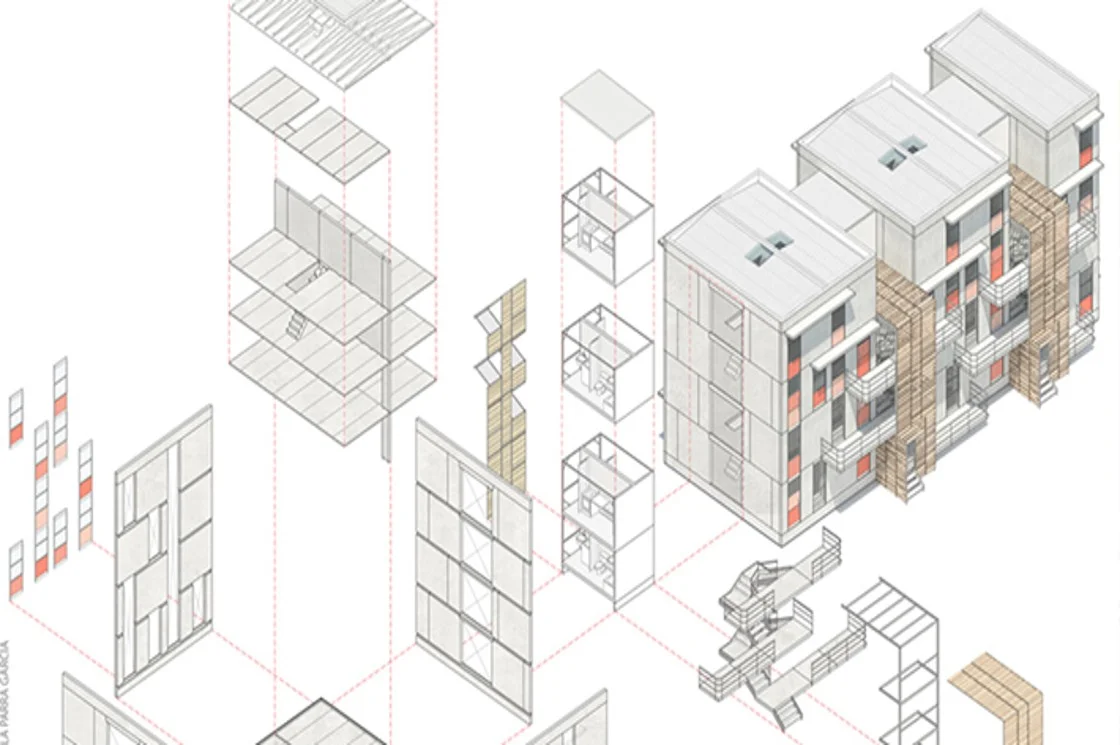
The construction industry is changing fast. Digital twins, infrastructure and cloud-based collaboration are becoming the norm. Understanding BIM helps students keep up with these trends while they are still in college.
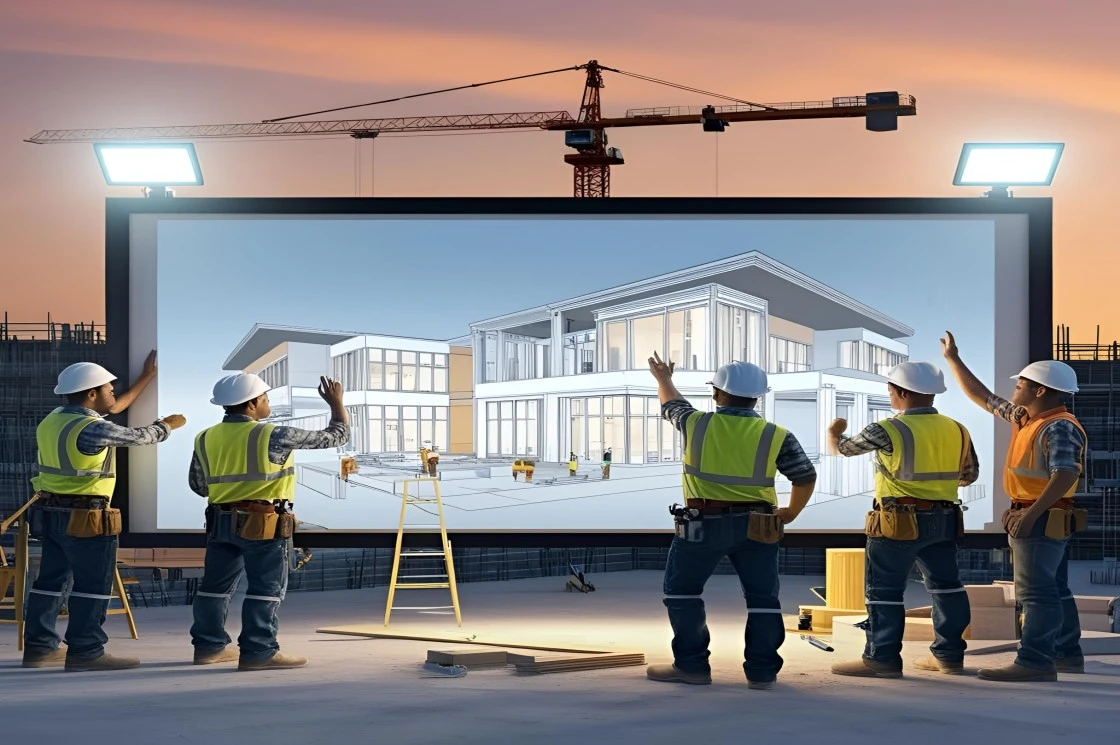
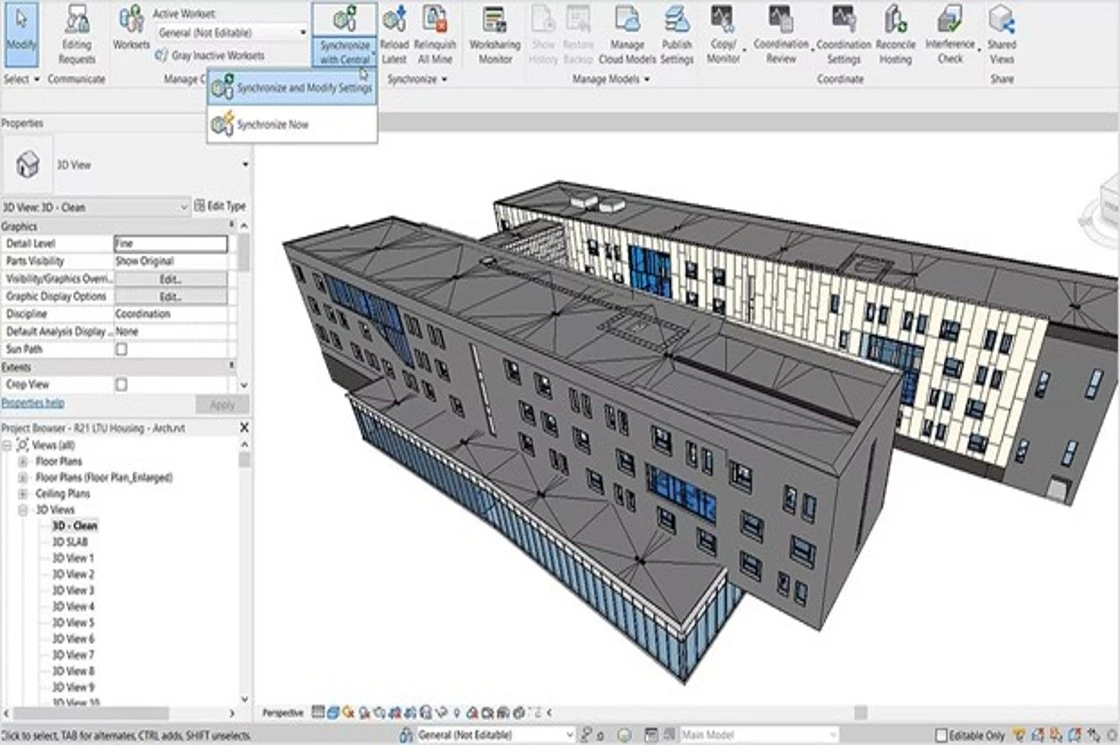
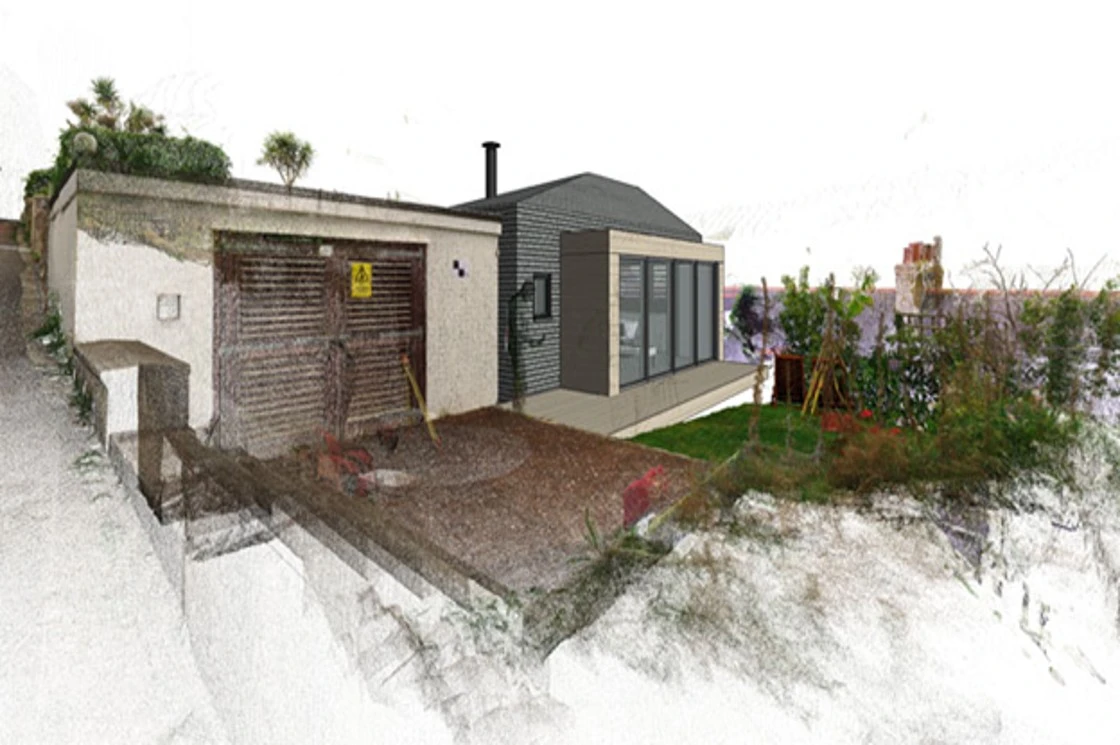
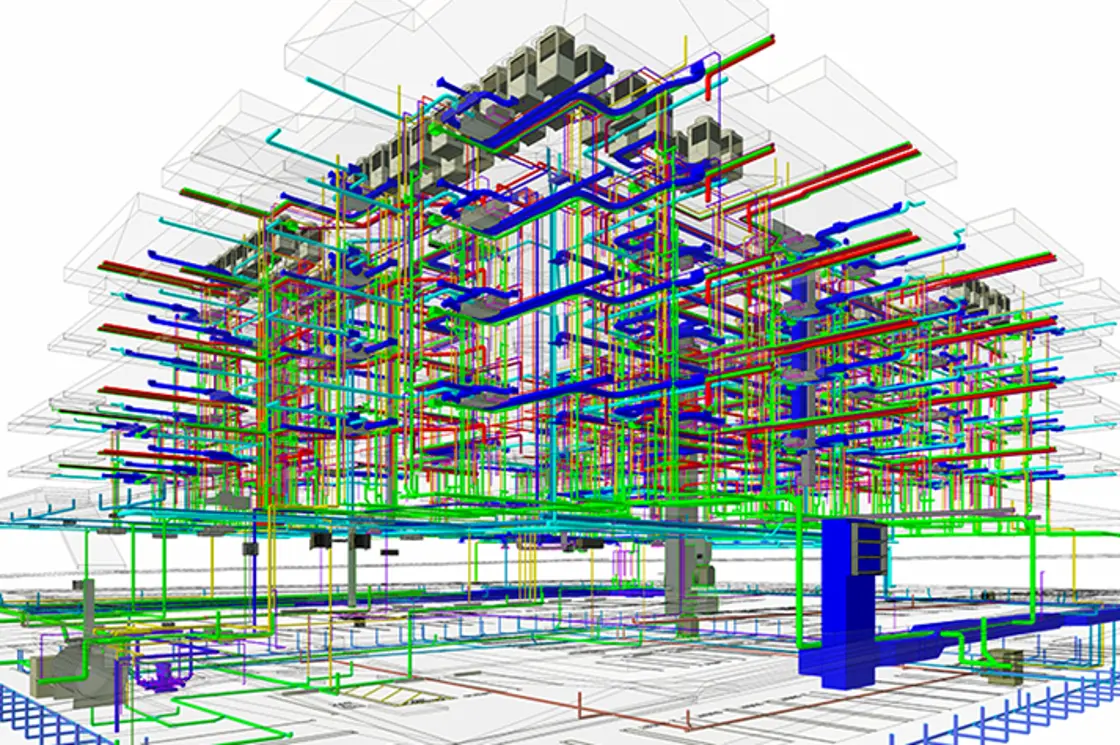
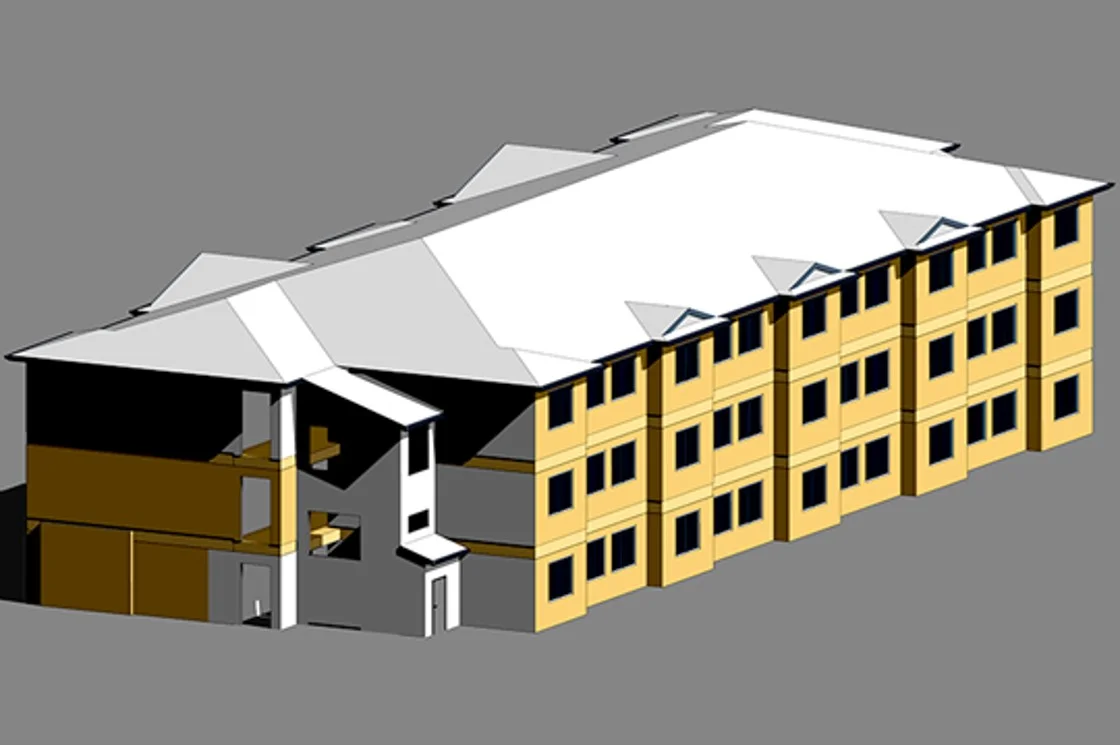
A professional BIM course teaches students how real-world projects work showing how architects, engineers and contractors work together using shared models. This means that students do not just learn software commands they understand how AEC BIM works in organizations. As a result graduates enter the workforce with knowledge.
Career Advantages of Studying BIM in AEC
Completing a BIM Training Program can make a student’s job application stronger. Recruiters prefer candidates who know AEC BIM because they need training and adapt quickly to company systems.
Key benefits include:
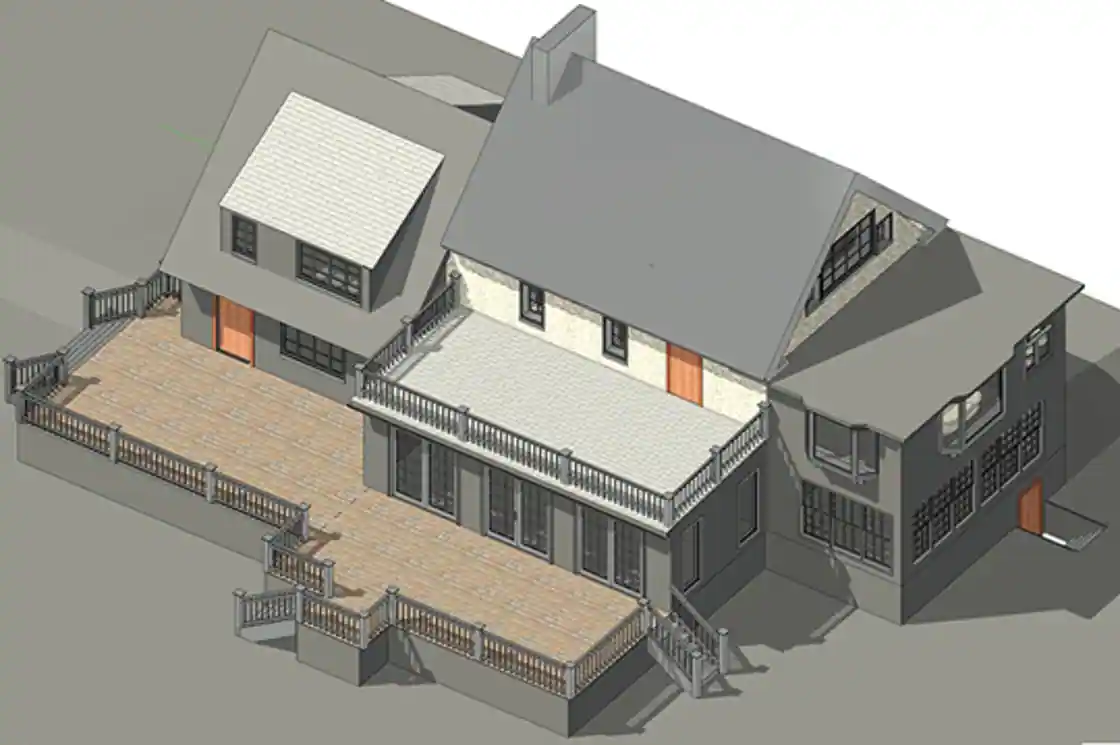
Stronger portfolios with real project models
Better internship opportunities
Faster career growth
Higher chances of placement
Beyond the benefits AEC BIM knowledge opens up many career paths, including BIM modeler, coordinator, designer and consultant roles. A recognized BIM course/ Certification shows that a student has the skills the industry needs.
Confidence Through Practical Exposure
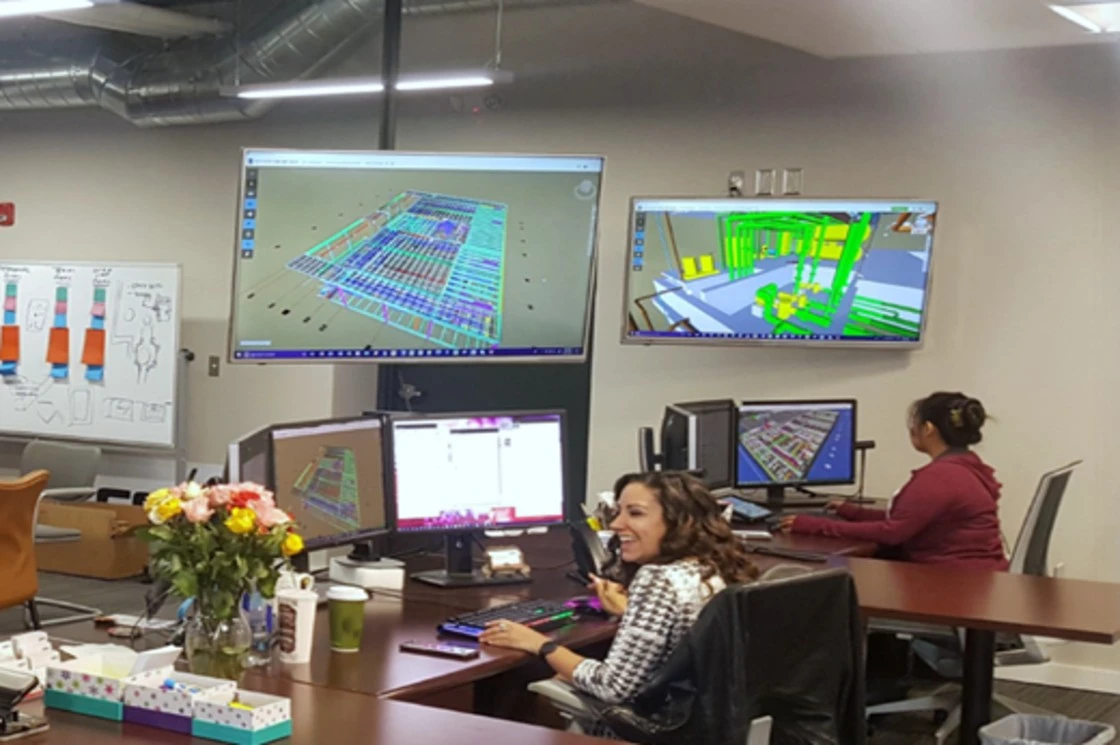
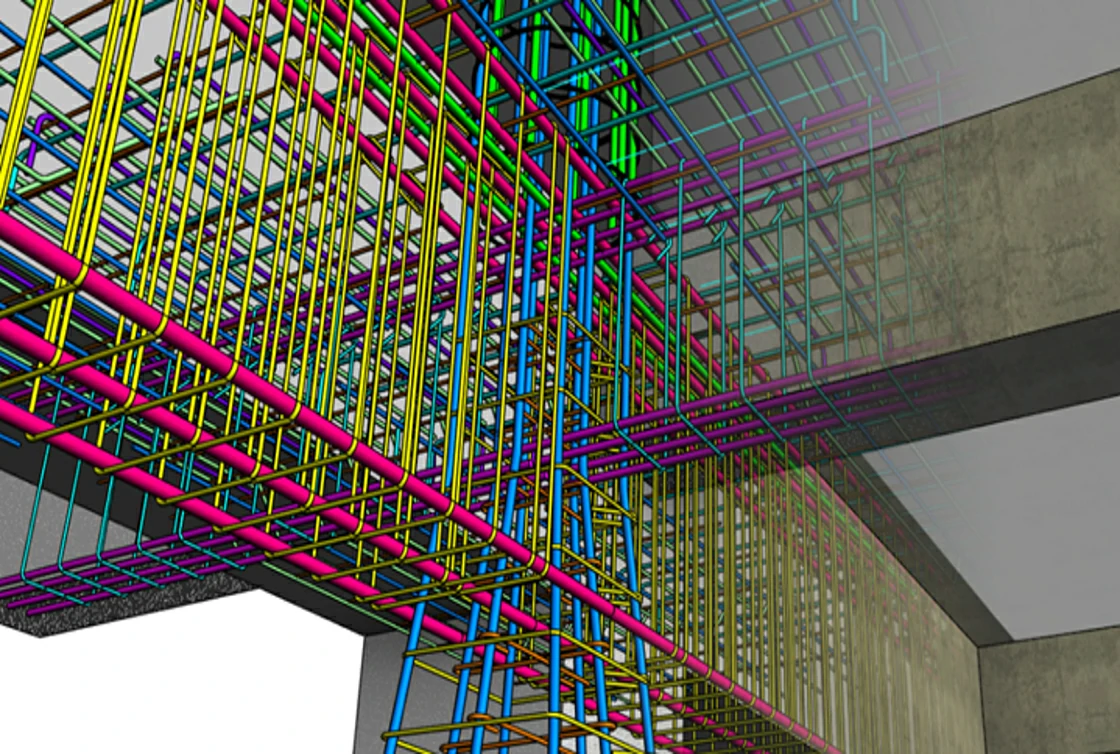
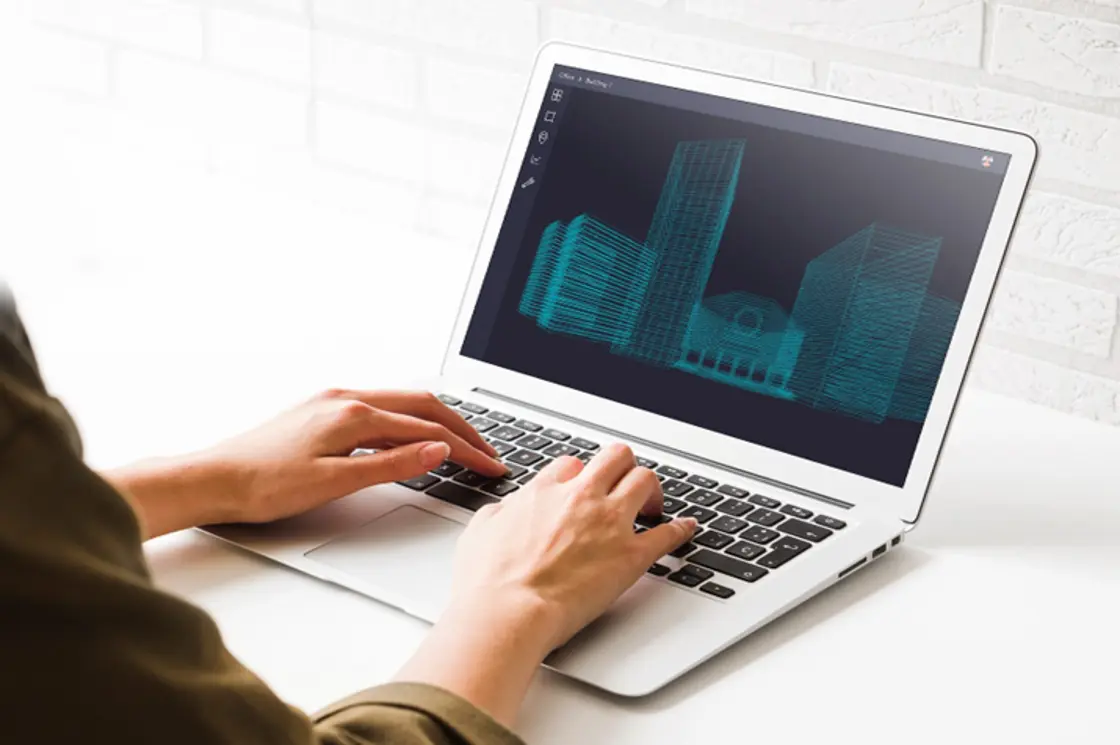
One of the challenges for students entering the job market is lack of real-world experience. A hands-on BIM course helps bridge this gap by letting students work on projects. Through AEC BIM training students practice coordination clash detection and digital modeling.
This practical experience builds confidence. Students trained in BIM can talk about workflows, explain coordination methods and demonstrate their knowledge clearly.
Building a Future-Proof Career
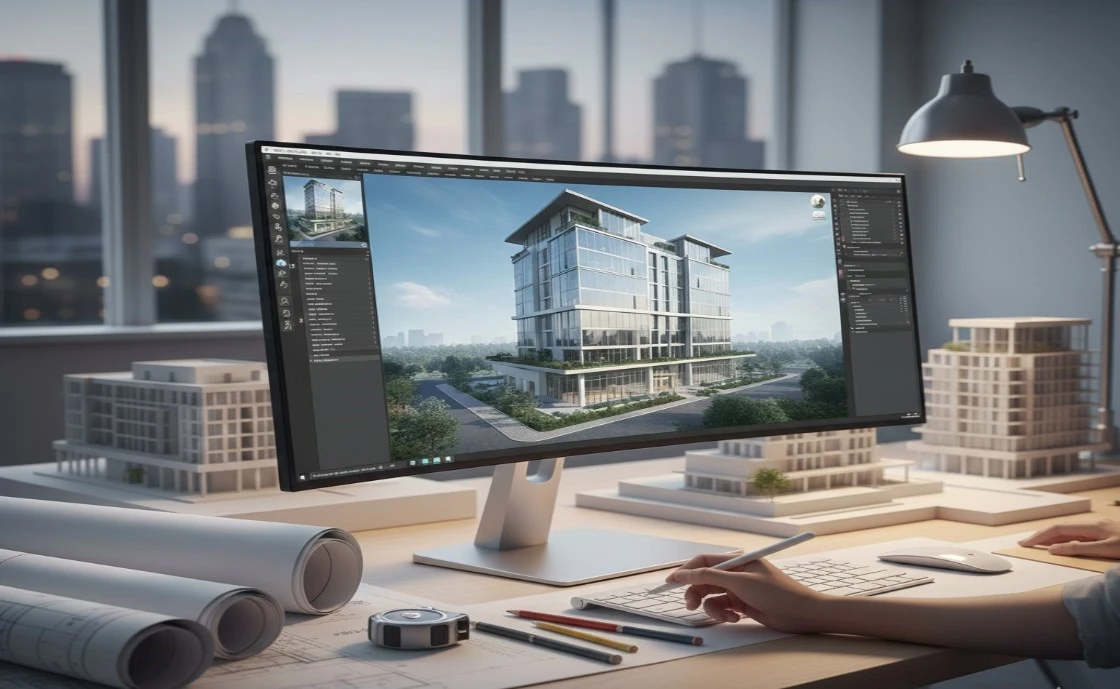
Source: AI
Industries change. Having a strong digital foundation is always valuable. Professionals skilled in BIM can adapt to technologies because they understand digital construction principles. A good BIM course teaches more than tools; it cultivates the mindset of a modern AEC professional.
As the construction industry shifts towards workflows and integrated digital processes the demand for AEC BIM expertise is growing. Students who complete a BIM course position themselves for long-term career growth.
Success in today’s landscape depends on preparation. Students who learn AEC BIM gain industry awareness, practical skills and the confidence to transition into roles. A designed AEC course acts as a bridge between education and employment helping aspiring professionals move from academic learning to real-world capability in modern construction environments.
Author